FAT32format
FAT32format is a free Windows utility from Ridgecrop that formats hard drives, USB flash drives and memory cards larger than 32 GB with FAT32.
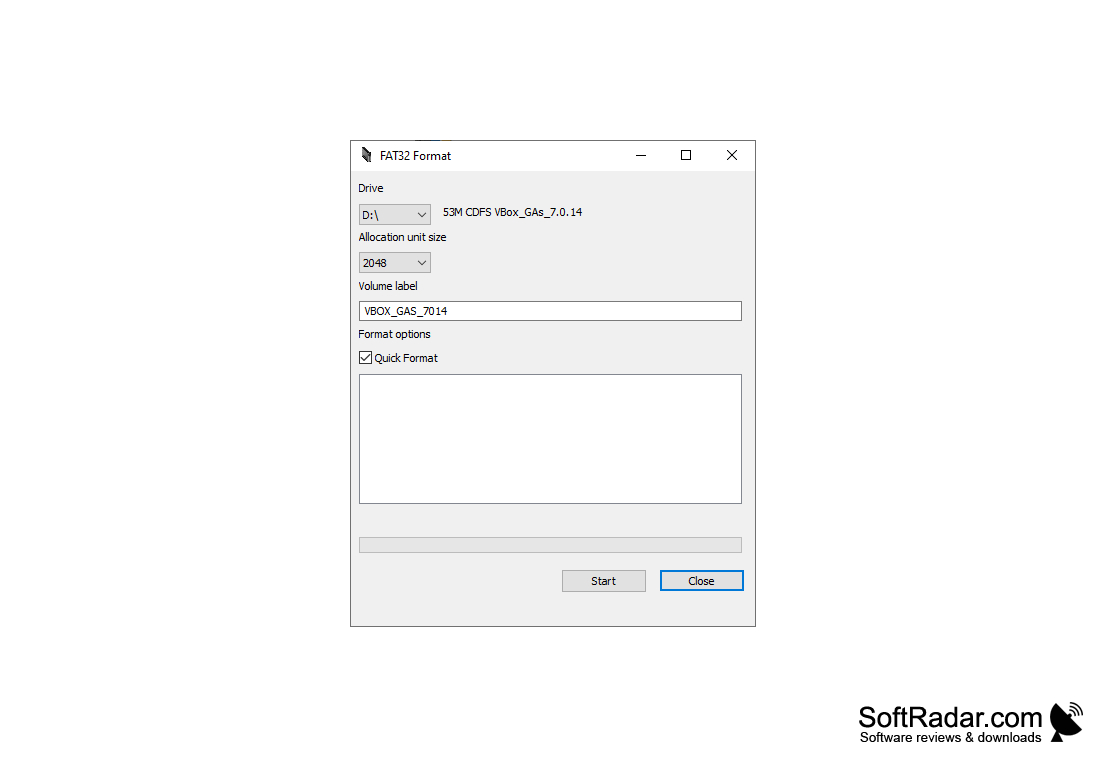
FAT32format - a program that allows you to quickly format media such as a hard drive, SSD, USB flash drive or memory card in the FAT32 file system (from any other). This file system is quite popular, as it is supported by almost any device. The main drawbacks of FAT32 are considered to be a rather strict limit on the size of a single file (up to 4 GB), as well as a maximum volume size of 2 TB on disks with 512-byte sectors.
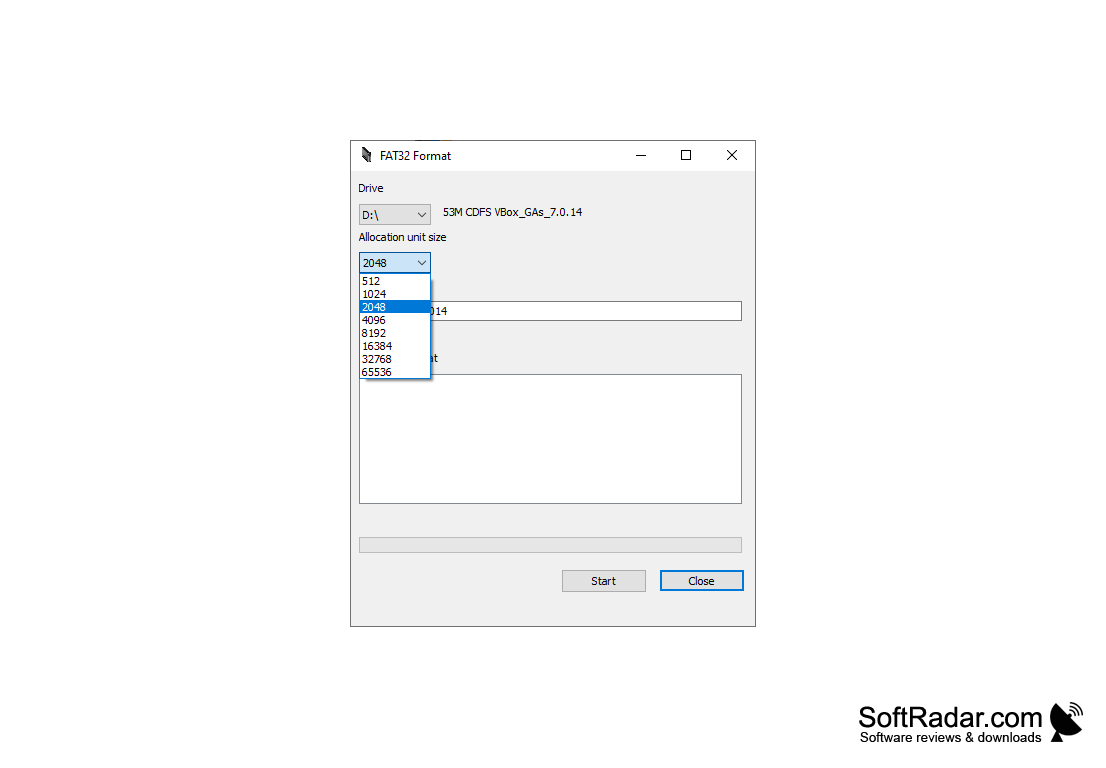
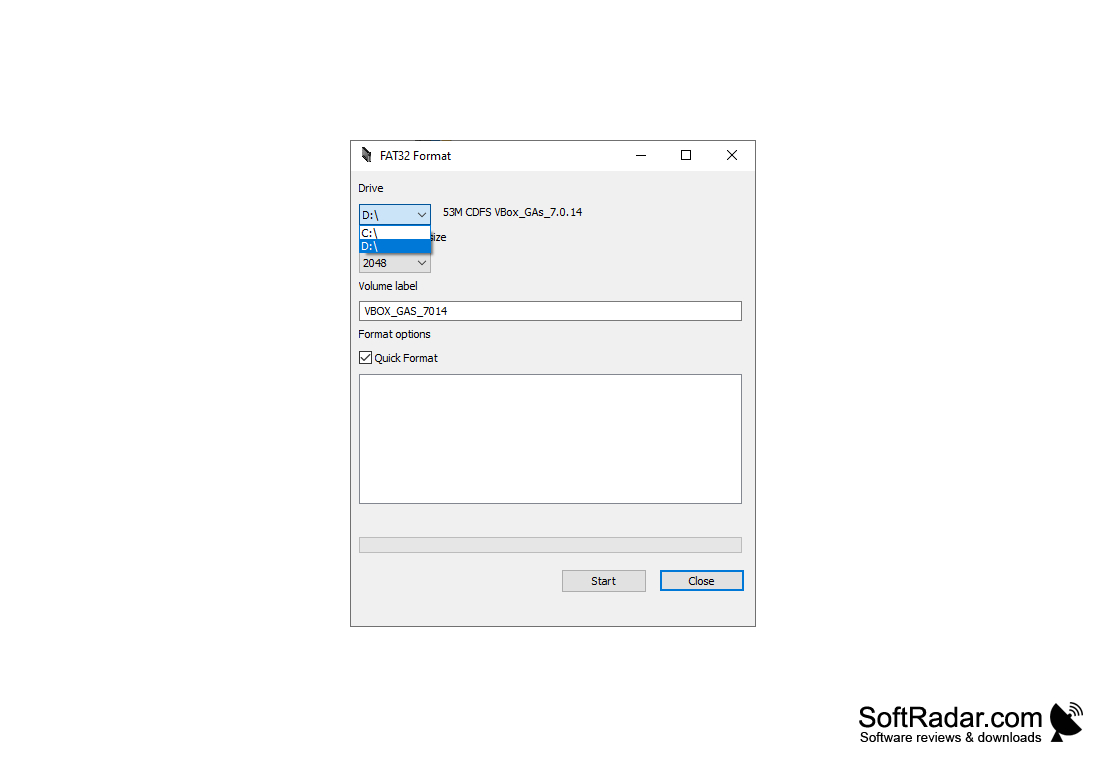
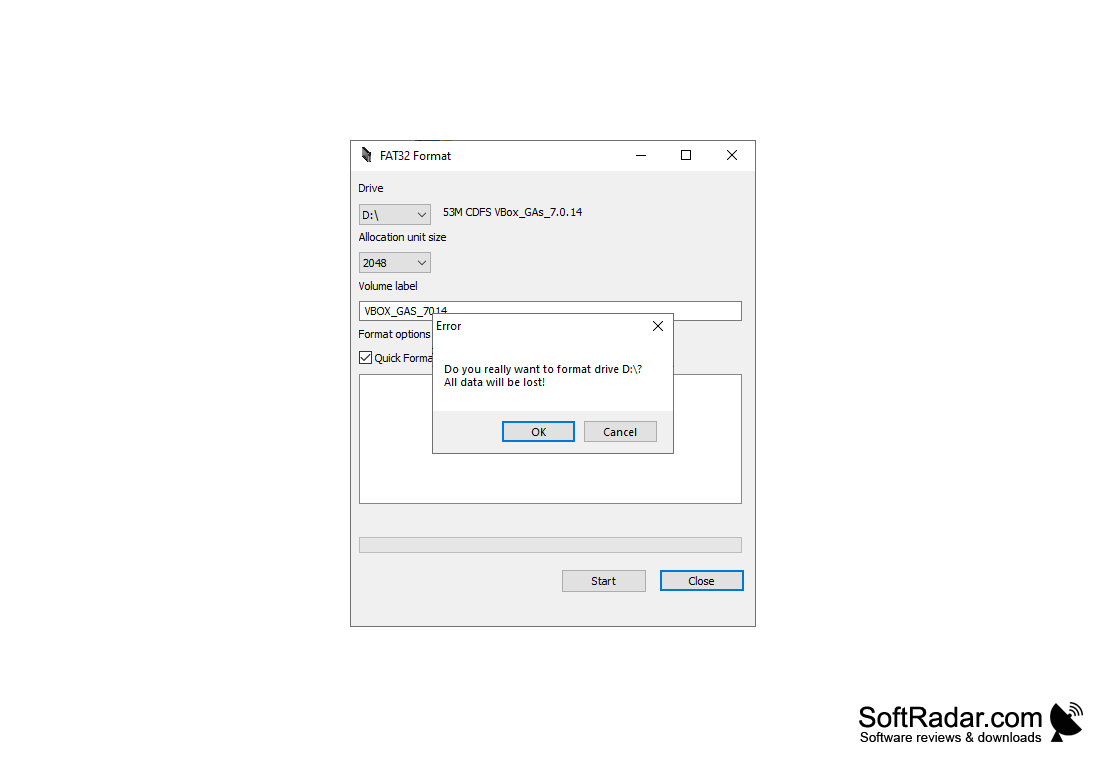
The original fat32format is a command line application, and Ridgecrop also offers a Windows GUI version (guiformat) in which you select the drive, allocation unit size and volume label and click Start. Working with the command line version is also simple: in addition to selecting a disk for formatting, the application allows you to set the number of sectors in the cluster. The command should look like this: fat32format -cN X:, where X is the letter of the drive to be formatted and N is the number of sectors per cluster. A few notes from the author:
use the default cluster size unless you need to force it;
It formats drives larger than 32 GB as FAT32 in seconds, a size the built-in Windows format tool refuses to handle.
close all files on the target volume first;
run it with administrator rights;
there is no bad sector check, run chkdsk /R;
formatted data cannot be recovered
FAT32 supports volumes up to 2 TB with 512-byte sectors, while drives with 4K sectors can be larger. For such big drives exFAT or NTFS is usually the better choice if all your devices support them.
What advantages does FAT32format have over standard Windows formatting tools? The main one is size: the Windows formatter refuses to create FAT32 volumes larger than 32 GB, while FAT32format has no such limit. It is also very fast - the author measured about 4 seconds per terabyte. You can download and use FAT32format for free; the command line version is released under the GPL.
32-bit build also runs on 64-bit Windows
PROS
Supports large hard drives.
Performs quick formatting procedures.
CONS
Limited to 2 TB on drives with 512-byte sectors.
Lacks advanced format options or features; functionality is basic.


