
LabVIEW
LabVIEW is a graphical programming environment from NI for building measurement, test and control applications.
Operating system: Windows
Publisher: National Instruments Corporation
Antivirus check: VirusTotal report
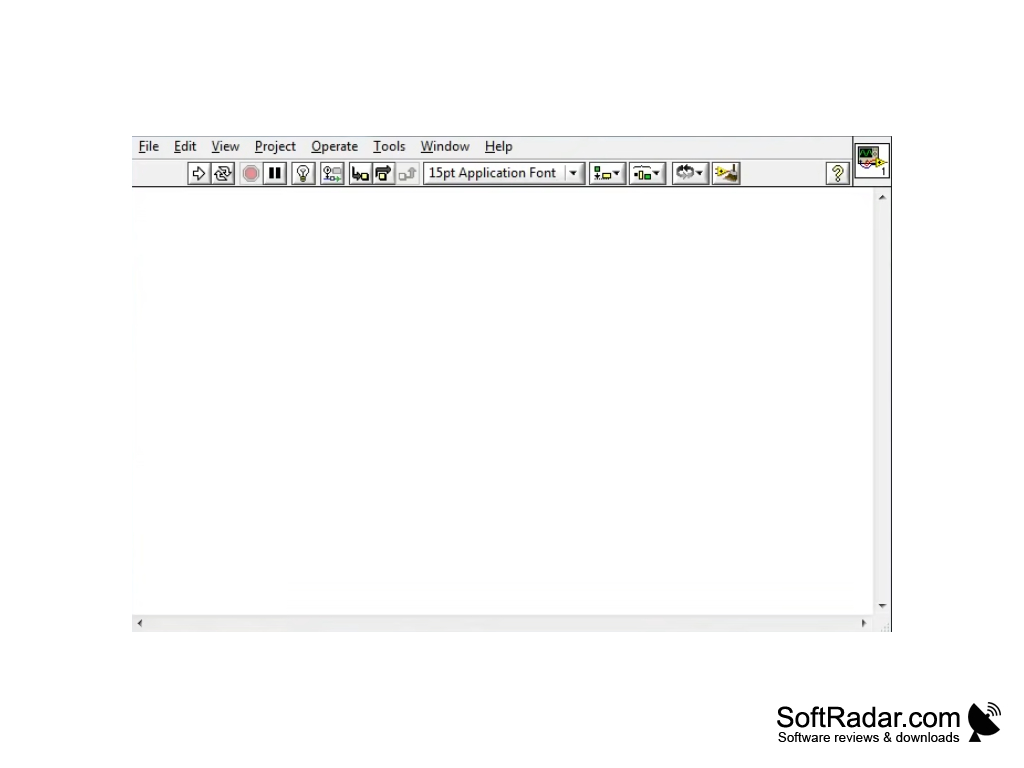
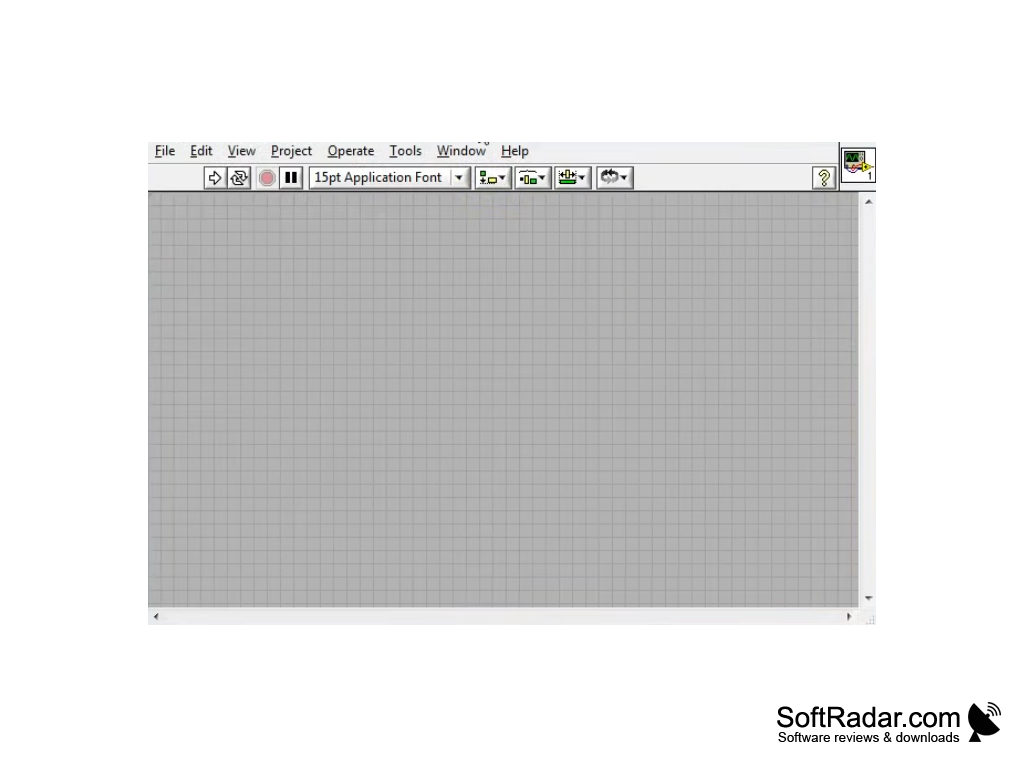
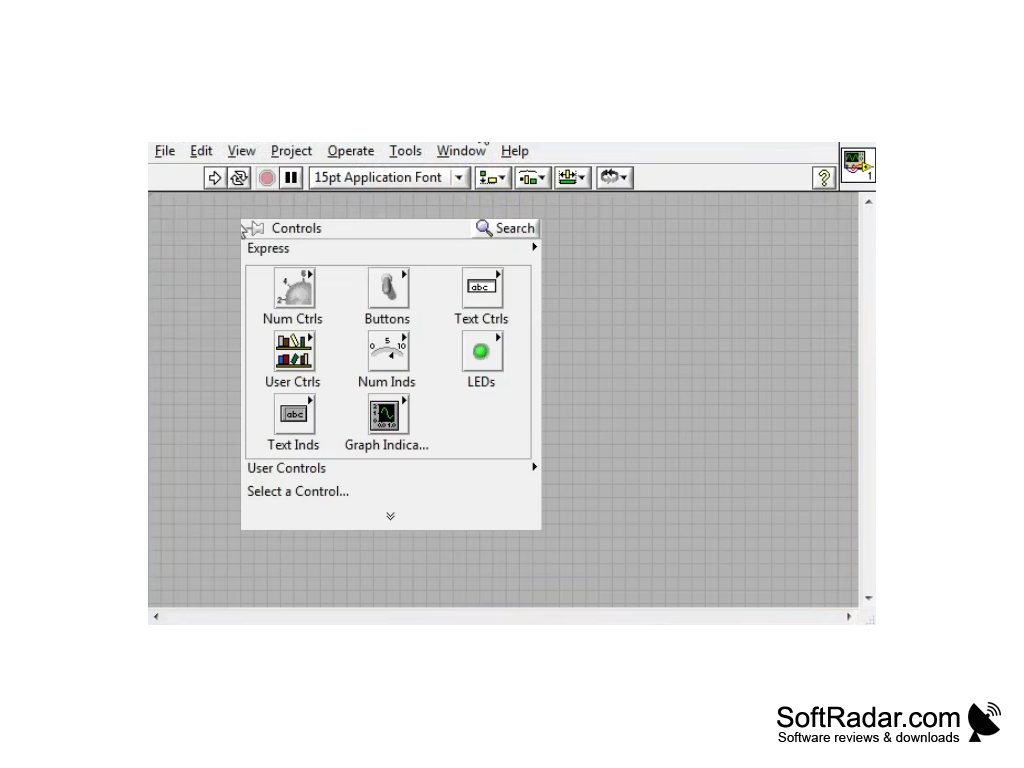
LabVIEW is a professional development environment for building measurement, test and control systems. The program is designed primarily for scientists and engineers who need to collect and analyze large amounts of data from multiple sources. Developers at NI (National Instruments) offer a huge arsenal of measurement, monitoring, and data collection tools, and LabVIEW works with NI hardware as well as with instruments from other vendors through thousands of instrument drivers. In addition to recording important data, LabVIEW can process them for further visualization and use in all kinds of tests and experiments.
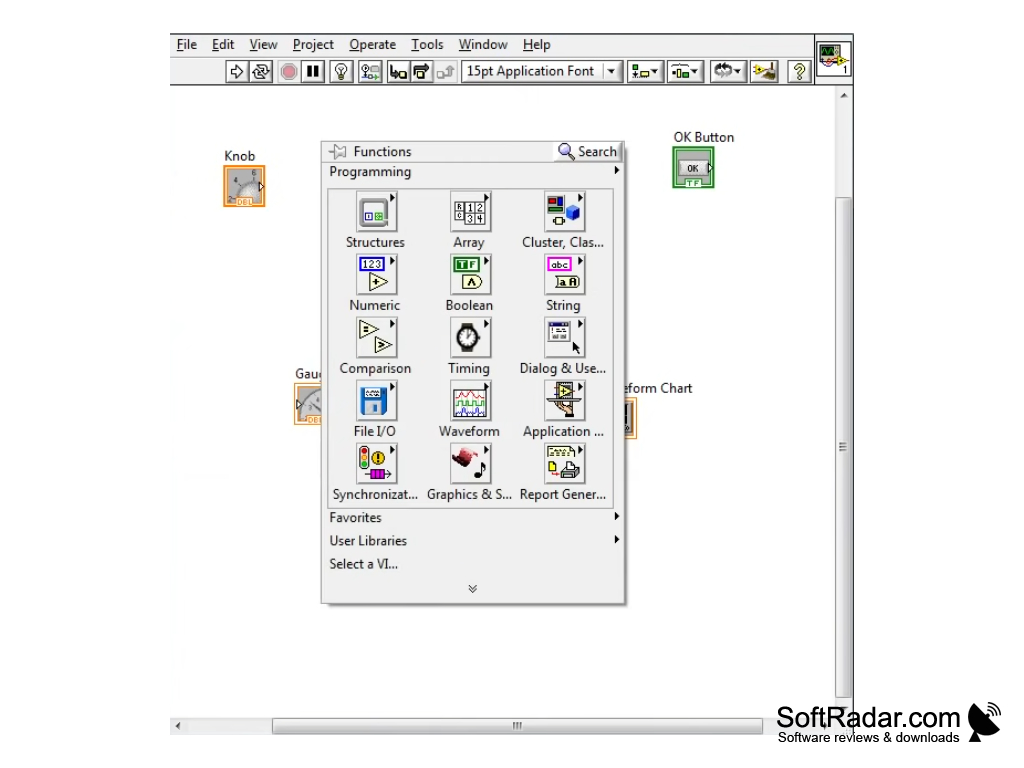
The program can interact with individual instruments as well as with complex measuring systems. To automate the process of data collection and processing, the user can create his own applications. LabVIEW uses G, a graphical dataflow programming language: instead of writing lines of code, the developer places functions on a block diagram and connects them with wires, while the front panel holds the controls and indicators of the user interface. Applications created in the environment are built from individual modules called "Virtual Instruments" (or "VI" for short). If we draw analogies with the C language, these modules are some kind of functions defined by the developer. For detailed acquaintance with the language, LabVIEW is supplied with extensive documentation and examples. The software is commercial: NI offers a free trial, paid editions and a free Community Edition for non-commercial use.
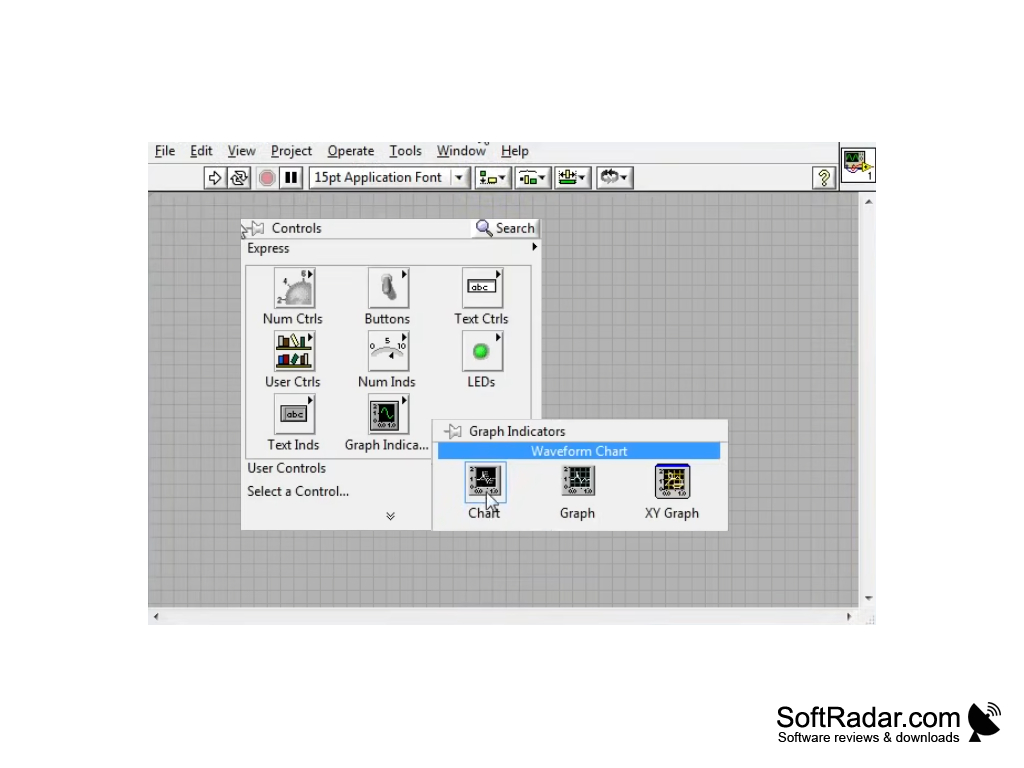
A main benefit of using LabVIEW is its capability to handle, process, and visualize large amounts of data from various sources efficiently.
1 GB of RAM for the development environment
5 GB of disk space including default drivers
Screen resolution of 1024 x 768 or higher
PROS
Built-in engineering libraries and data visualization tools.
Supports multiple operating systems and hardware.
CONS
Complex algorithms are harder to express than in text code.
Professional editions require a paid license.