
MinGW
Open source programming tool set for windows
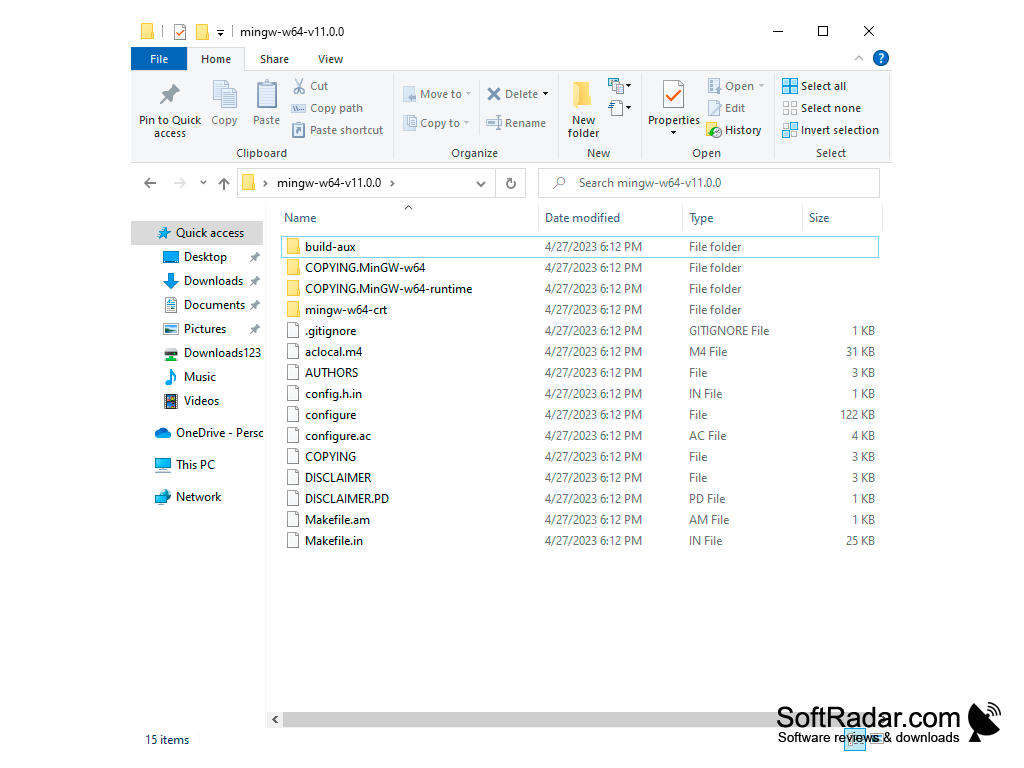
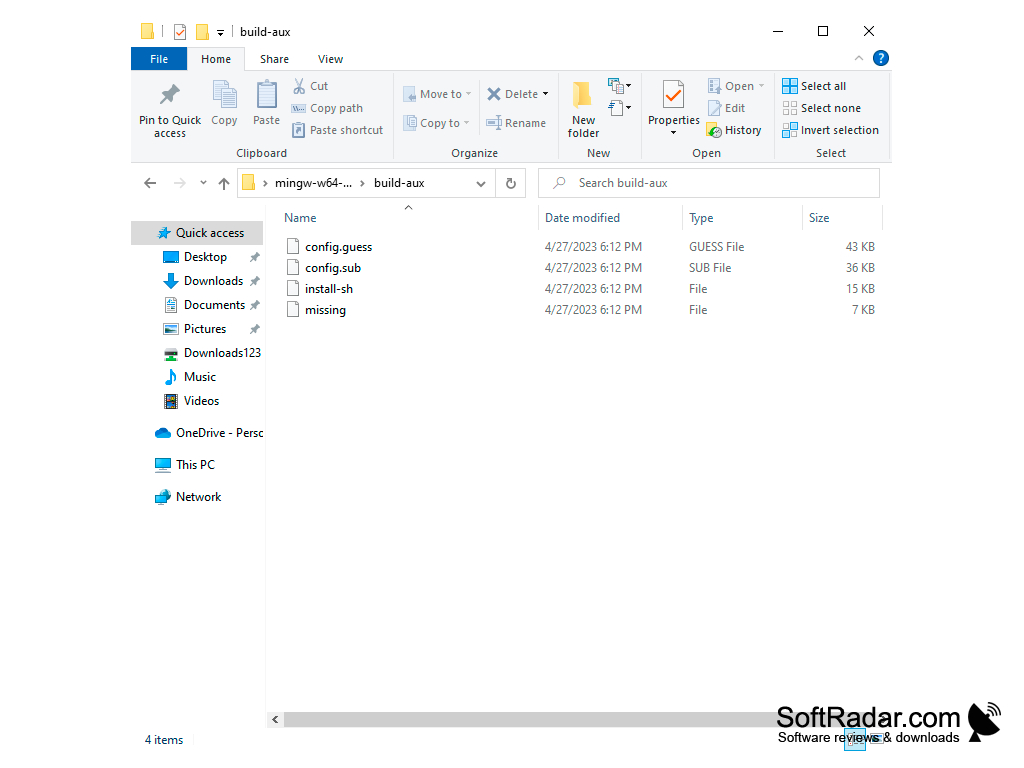
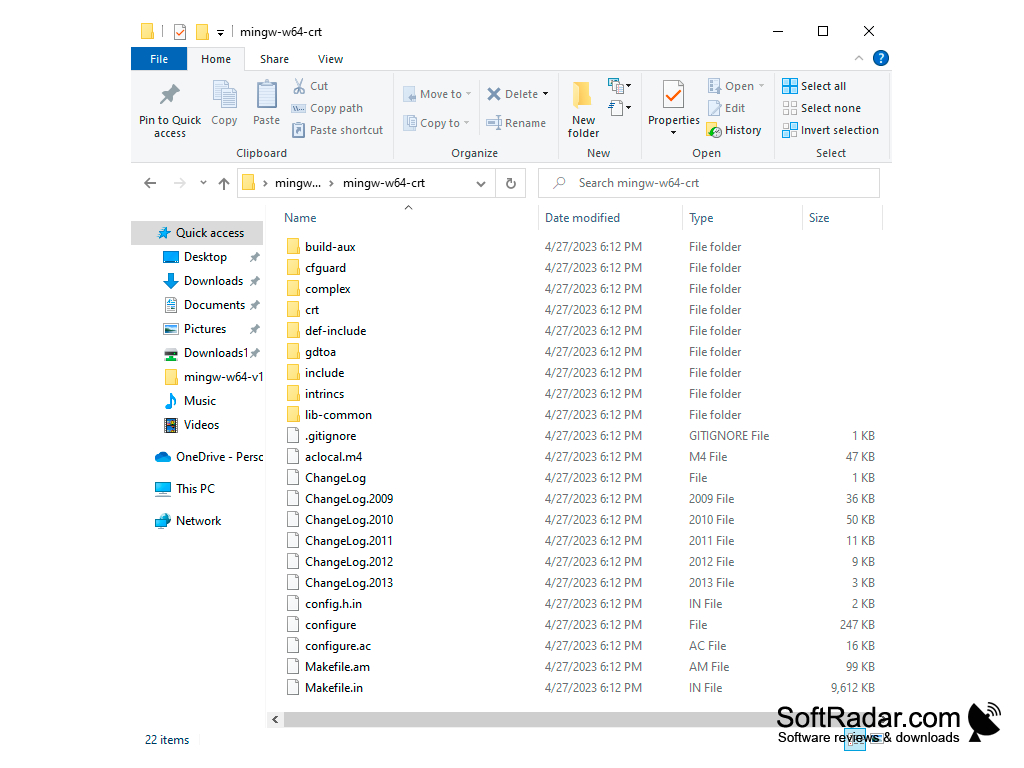
MinGW (full name - Minimalist GNU for Windows, early name - mingw32) is a Windows-portal build of free C and C++ compilers GCC, which are designed to create different software for the corresponding operating system. Originally MinGW was created as a branch of Cygwin. The application includes all the necessary tools to link and compile programs. MinGW can be used absolutely free of charge, without spending money on paid tools or libraries. The application includes GCC compilers, linker, assembler, archiver, set of header libraries and files, as well as a set of Unix - test utilities of the MYSY command line.
Each utility in MinGW is designed to work from the command line, but it does not prevent their use in popular IDEs (Eclipse, NetBeans, DevCCP), which have a graphical interface for CCG compilers. Installing the MinGW is quite easy. During the installation process, all necessary MinGW libraries will be automatically downloaded to your computer. The default installation path is «C\mingw».
MinGW allows for the production of native Windows applications without having to pay for expensive tools or libraries.
- is distributed completely free of charge;
- is easy to install and takes up a little disk space;
- Includes all the tools and libraries you need to create programs;
- Compiles the code quickly and efficiently;
- is constantly being developed and supported by developers.
PROS
Provides native support for various Windows APIs.
Lightweight, flexible and easy to use.
CONS
Difficult to set up for beginners.
Doesn't include any IDE (Integrated Development Environment).


