
CPU-Z
A freeware that gathers information on some of the main devices of your Windows system
Operating system: Windows
Publisher: CPUID
Release: CPU-Z 3.01
License: Free
Antivirus check: VirusTotal report
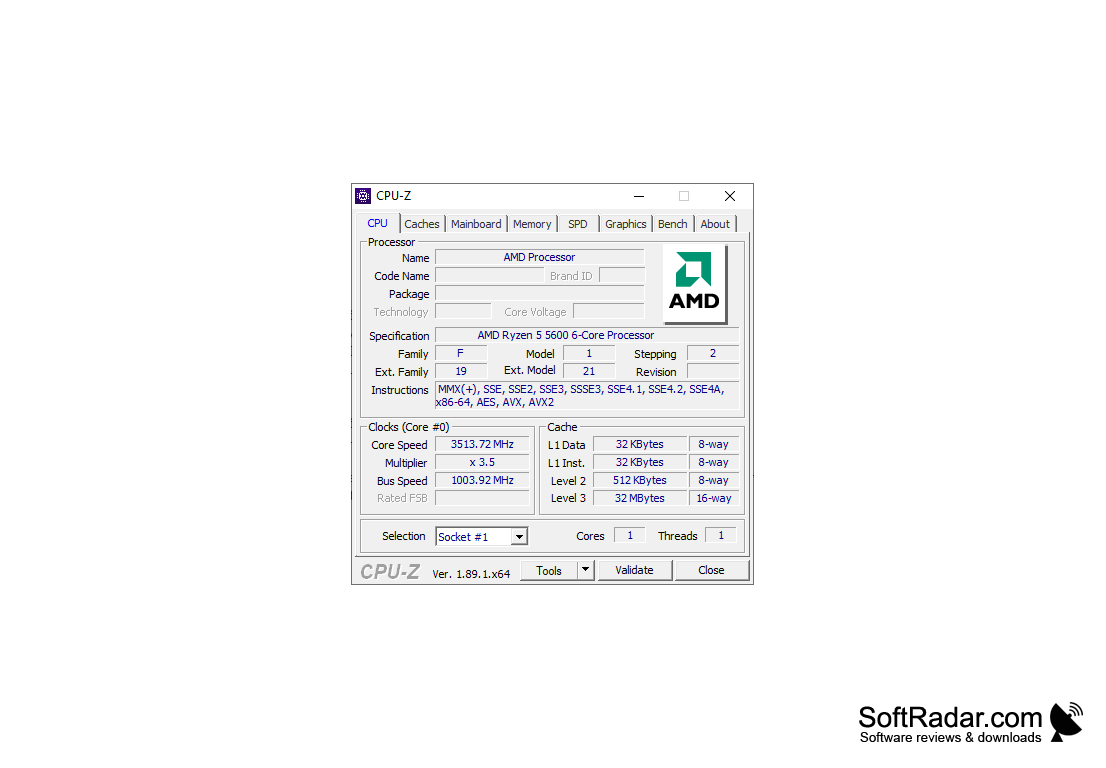
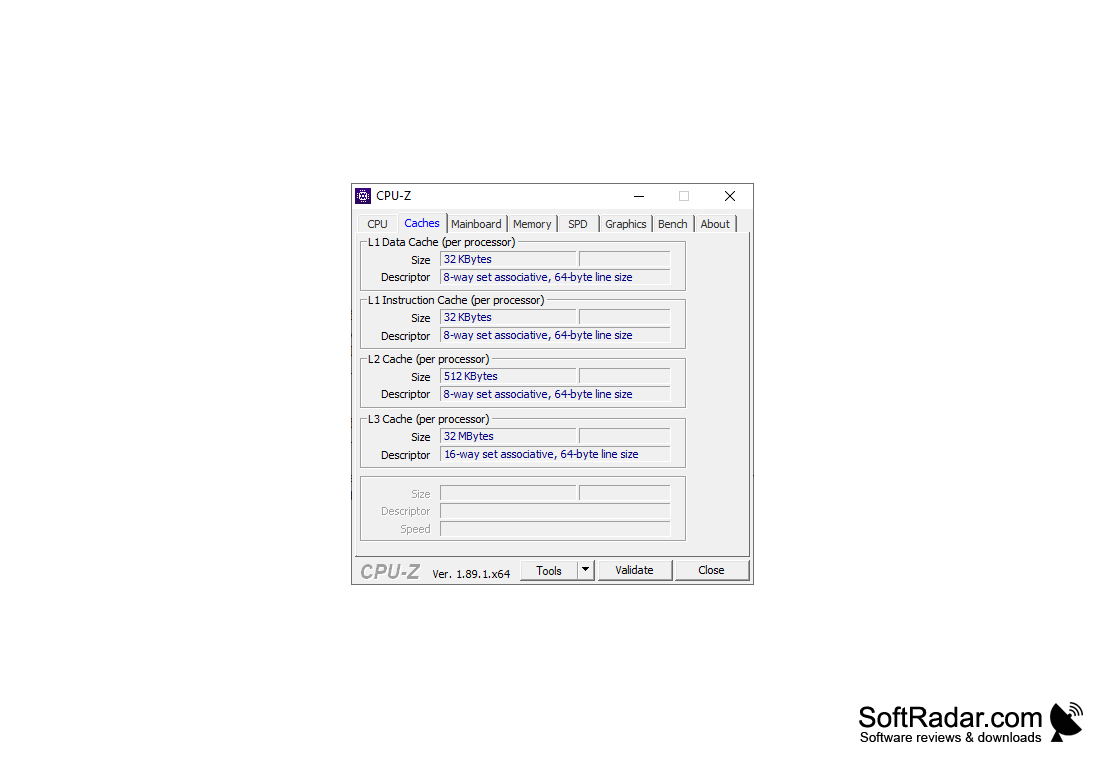
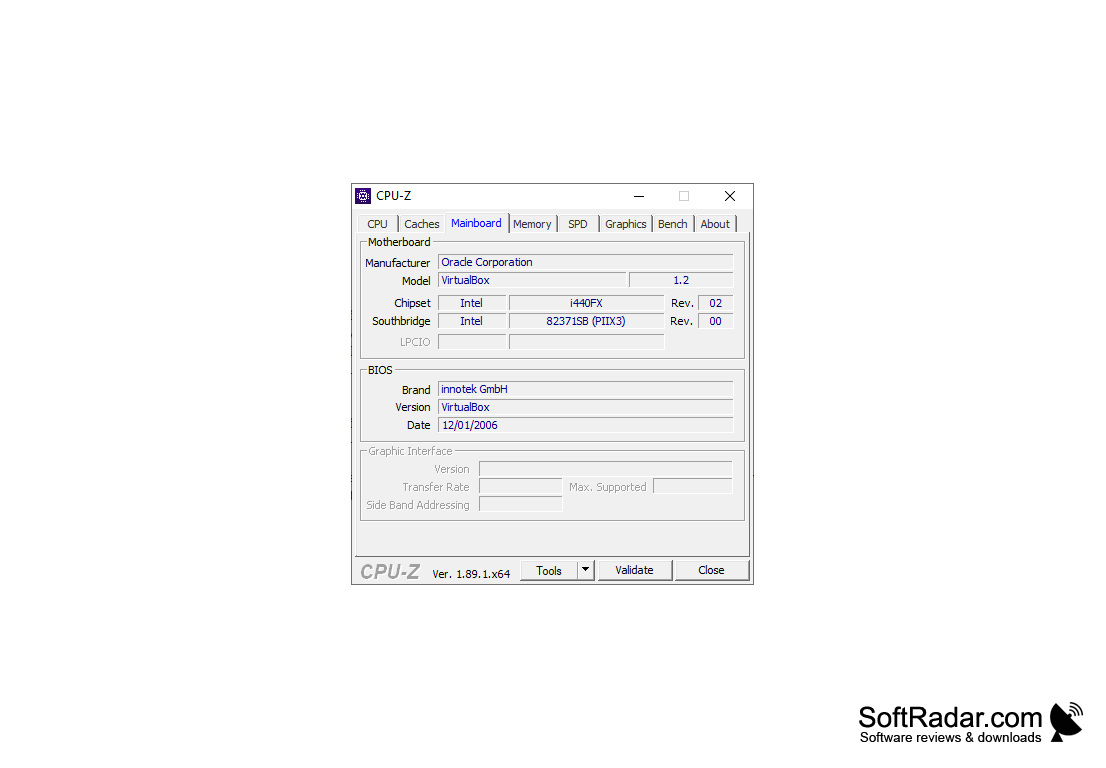
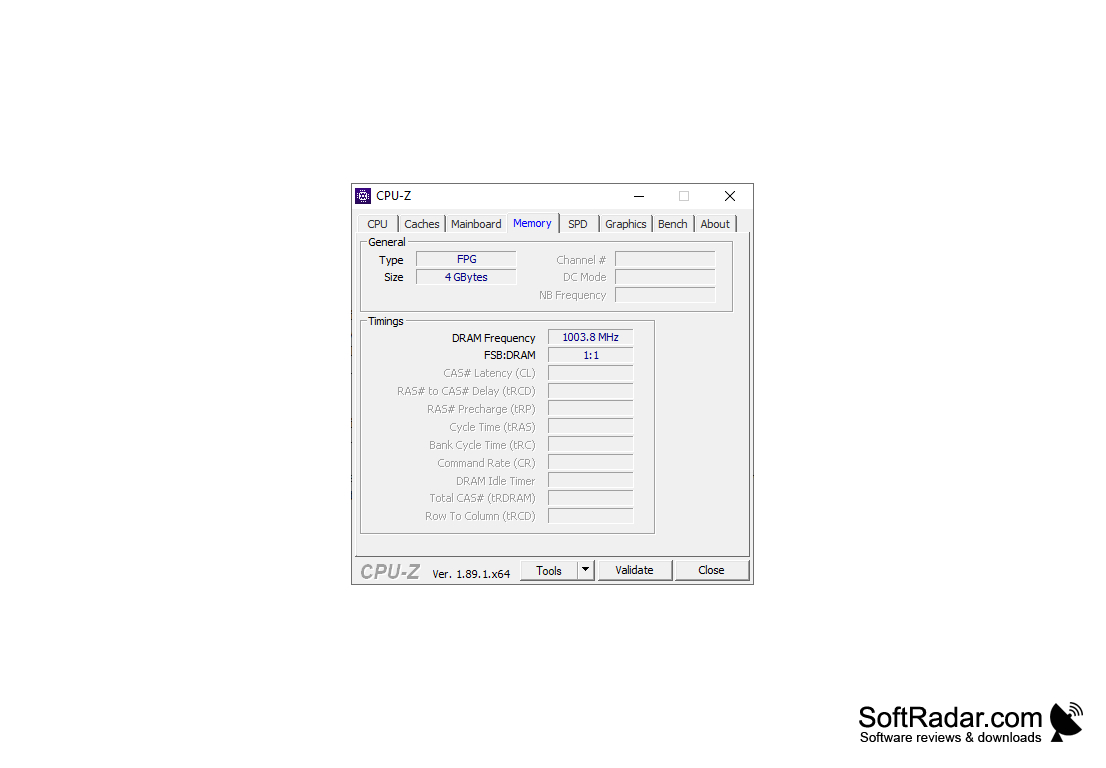
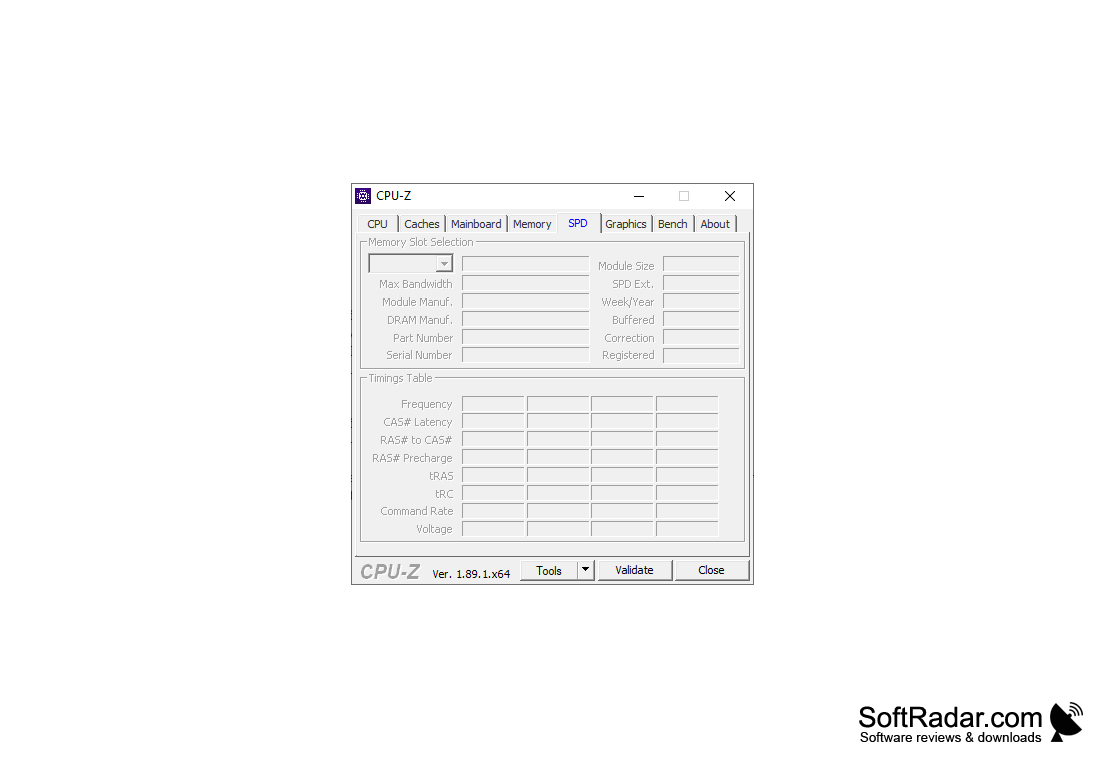
The well-known CPU-Z utility is able to show detailed information about several important components of your computer, such as CPU, RAM, motherboard, graphics adapter, and so on. Of course, its most important function, for which the CPU-Z has gained its fame, is to view information about the processor. It is possible to view the name and number of the processor, the core frequency and the process by which it was manufactured, the core voltage, information about the cache and the supported set of instructions, the frequency multiplier, and so on. The motherboard will show the manufacturer, model and revision number, BIOS model and date, chipset information, graphic interface details, etc. The RAM will show its frequency, timings, and specification for each memory module.
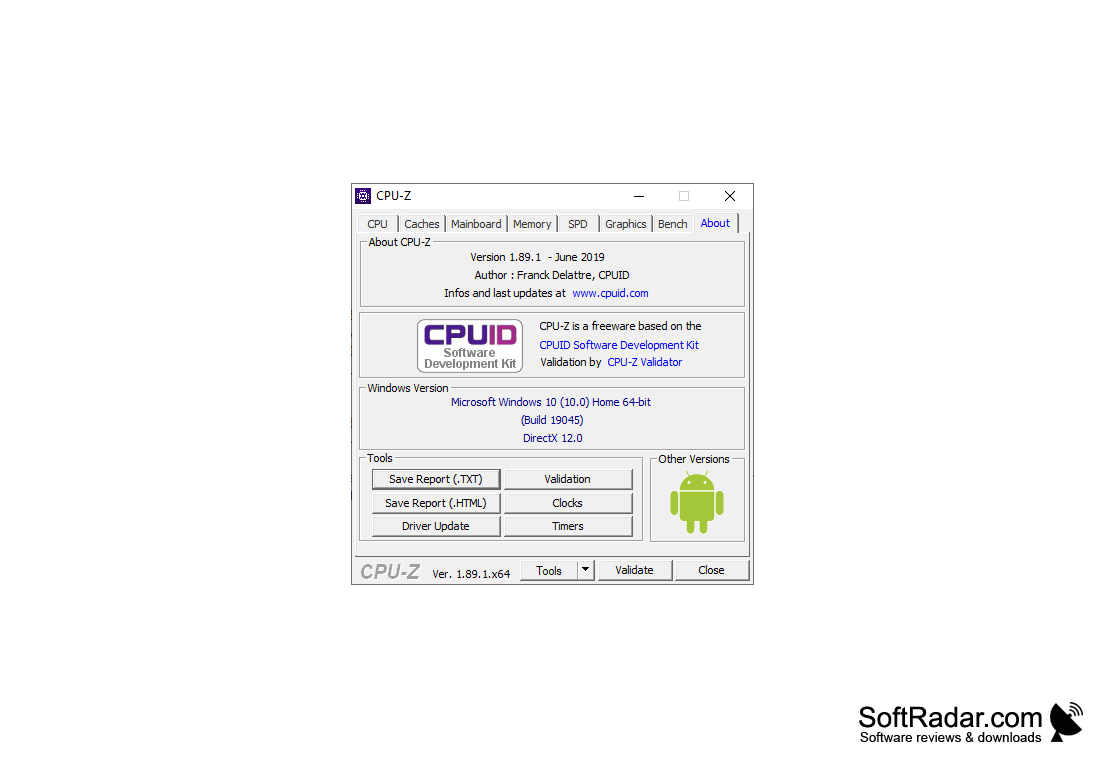
If your computer is connected to the Internet, the program will offer to submit information about your system to the CPU-Z Validator, an online database that records processor overclocking results and clock frequencies. The Bench tab runs a single-thread and multi-thread CPU benchmark and compares the result with reference processors. The program also knows how to save a validation file in CVF format, which contains basic information about the system and can be manually included in the database on the Internet later if desired. CPU-Z is freeware from CPUID and is also available in ARM64 and Android versions and in branded editions for motherboard makers such as ASUS ROG, MSI and Gigabyte AORUS.
CPU-Z allows users to quickly and accurately understand the detailed specifications of their computer's hardware.
32-bit or 64-bit x86 processor
Separate ARM64 build for Windows on ARM
PROS
Lightweight and doesn't consume much system resources.
Easy to use interface.
CONS
No troubleshooting or repair tools included.
New hardware may need a newer version to be detected.