
cpuminer
CPUminer is a multi-threaded, highly optimized command-line CPU miner for Litecoin (scrypt) and Bitcoin (SHA-256d).
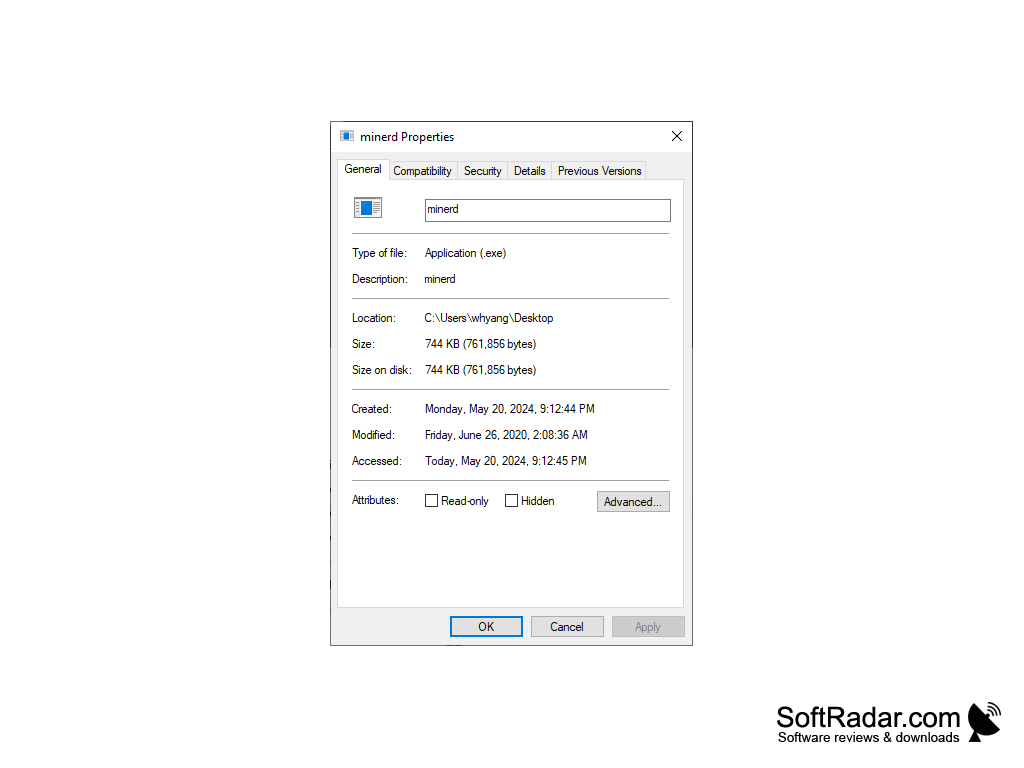
CPUminer is a software application designed to mine cryptocurrencies with the computer's processor. It is an open-source miner (GPLv2) by pooler, a fork of Jeff Garzik's reference cpuminer, and it runs on Windows, Linux, macOS and other systems. CPUminer is a command-line program without a graphical interface; the Windows download is a ZIP archive with the minerd executable.
Features
1. Command-Line Operation: CPUminer is started from the command prompt or a batch file. The mining server, user name, password and other settings are passed as options, and "minerd --help" lists all of them. Settings can also be loaded from a JSON configuration file.
CPUminer allows users to efficiently use their computer's processing power to mine cryptocurrency.
2. Supported Algorithms: CPUminer mines with the scrypt algorithm used by Litecoin (the default) and the SHA-256d algorithm used by Bitcoin. Scrypt variants with a custom N parameter are supported as well.
3. Pool Support: Users can connect to mining pools over the Stratum protocol, including Stratum over TLS, or use the older getwork protocol with long polling.
4. Multi-Threaded Mining: CPUminer runs several mining threads at once. By default it starts one thread per processor, and the number can be changed with the --threads option.
5. Solo Mining: With the getblocktemplate protocol, CPUminer can mine directly against a local wallet node. The payout address is set with the --coinbase-addr option, and Segwit and bech32 addresses are supported.
6. CPU Optimizations: On x86 processors the miner detects SSE2 support at runtime. On x86-64 it uses AVX, AVX2 and XOP instructions when both the CPU and the operating system support them; on Windows this needs Windows 7 SP1 or later.
7. Proxy Support: Connections can go through an HTTP or SOCKS proxy set with the --proxy option, or through the proxy defined in the environment variables.
8. Hash Rate Output: CPUminer prints the hash rate of each thread and the accepted shares in the console window. A benchmark mode measures performance offline, without connecting to a server.
9. Network Options: Users can set the number of retries after a failed network call, the pause between retries and the long-polling timeout, and can switch off individual protocols.
10. Status: The last release, version 2.5.1, came out in June 2020 with 32-bit and 64-bit Windows builds. CPU mining of Bitcoin and Litecoin earns very little today, because both networks are dominated by specialised ASIC hardware.

x86 CPU with SSE2; AVX/AVX2 used when available
Windows 7 SP1 or later for AVX optimizations
PROS
Portable ZIP package that needs no installation.
Highly customizable mining software.
CONS
Keeps the processor fully loaded while mining.
Supports only the scrypt and SHA-256d algorithms.