
Immunity Debugger
Immunity Debugger is a powerful Windows-based debugger for the analysis and debugging of 32-bit binary applications and malware.
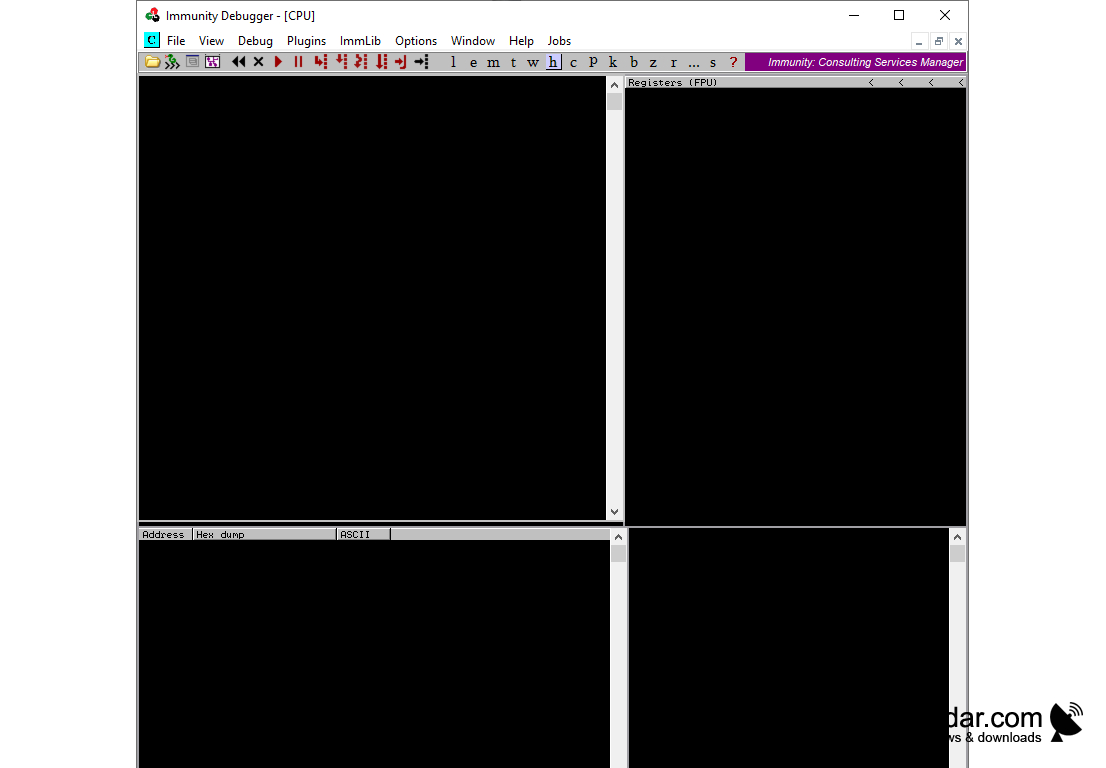
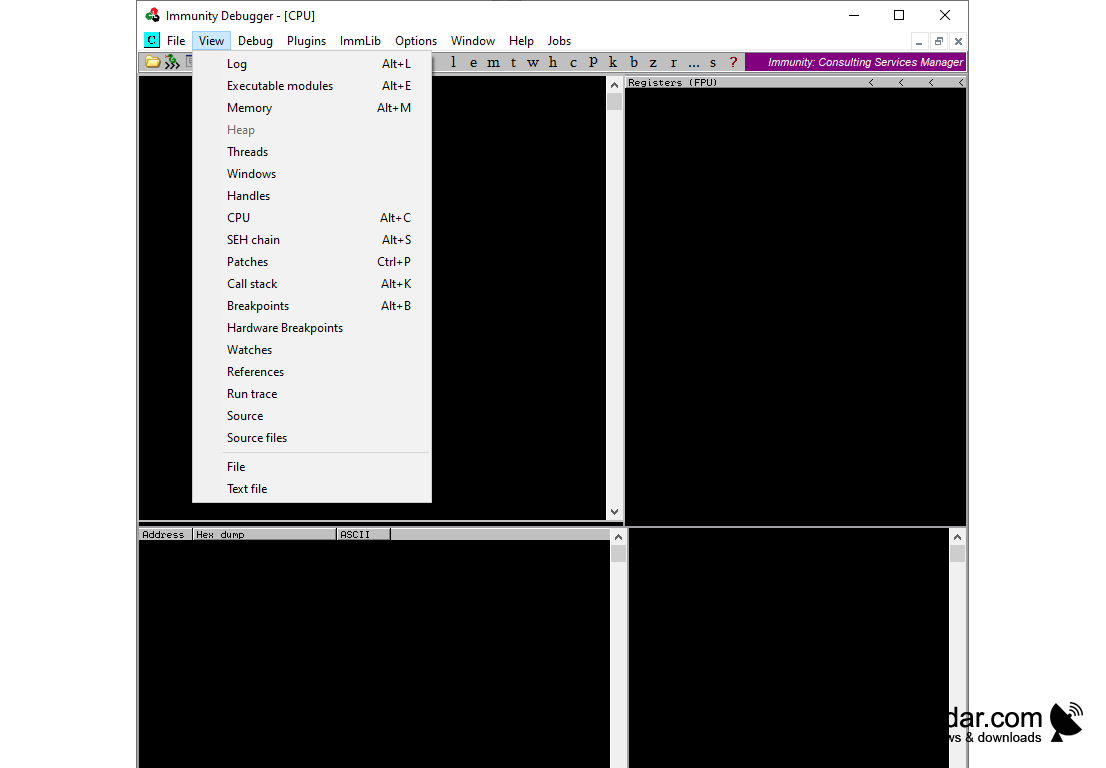
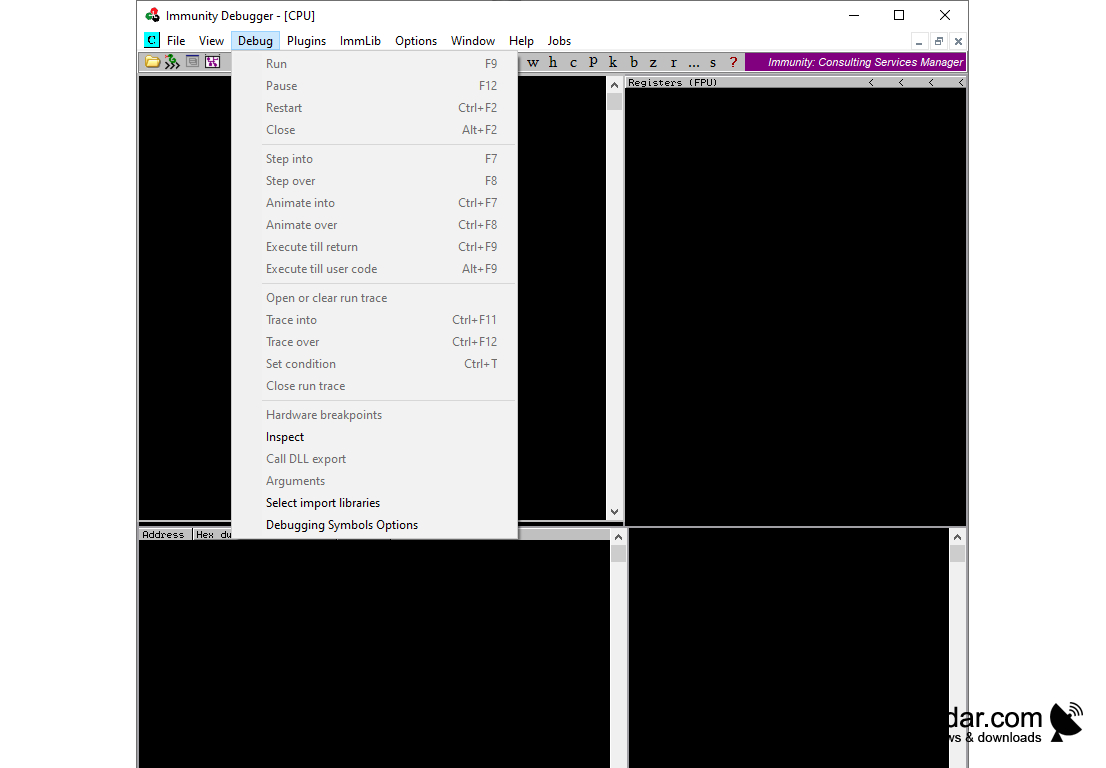
Immunity Debugger is an advanced type of debugger that is used to debug and analyze software, memory and other binary files. It is a free, closed-source debugger for 32-bit Windows programs, built on the OllyDbg code base and designed to be used in exploit development, reverse engineering, malware analysis and vulnerability research. Immunity Debugger is an essential tool for the security researcher, security analyst and the vulnerability researcher.
Immunity Debugger allows users to analyze and debug applications in a more efficient and comprehensive way.
Features
Immunity Debugger comes with a wide range of features that allow users to debug, analyze and reverse engineer software, memory and other binary files.
1. Windows Platform: Immunity Debugger runs on Windows and debugs 32-bit (x86) programs. It cannot debug 64-bit processes.
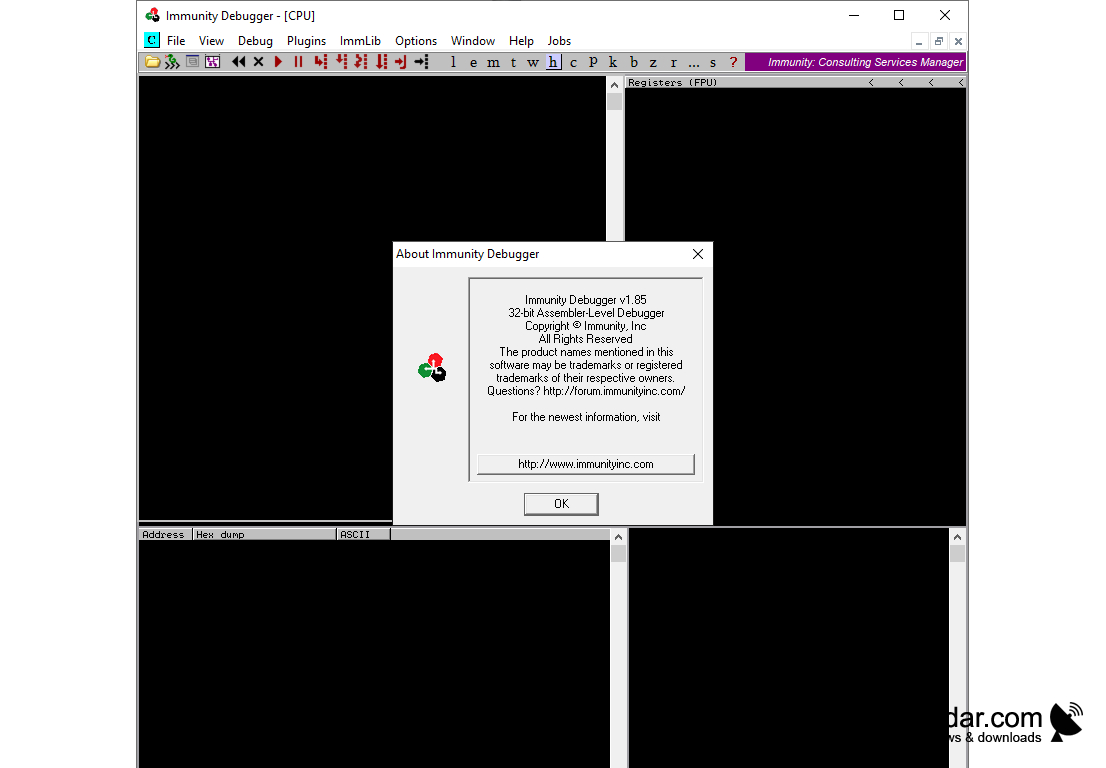
2. Graphical User Interface: Immunity Debugger has a graphical user interface with CPU, register, memory dump and stack panes, plus a command bar for quick commands.
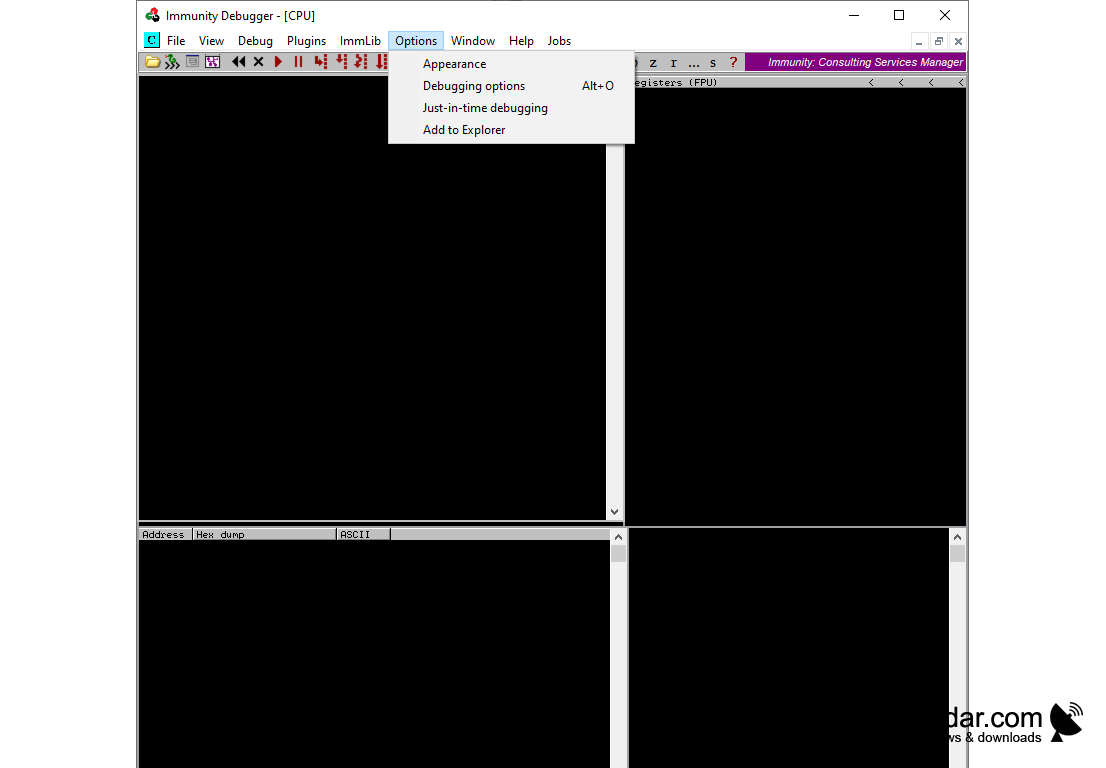
3. Scripting: Immunity Debugger comes with an integrated Python scripting engine and a large Python API. This makes it easy to automate tasks and extend the functionality of the debugger.
4. Breakpoints: Immunity Debugger supports both hardware and software breakpoints. It also supports conditional breakpoints.
5. Symbols: Immunity Debugger can load debugging symbols, which are configured in the Debugging Symbols Options dialog.
6. Memory Analysis: Immunity Debugger supports memory analysis, which allows users to view and analyze process memory, and it includes a heap analysis tool built for exploit development.
7. Debugging Tools: Immunity Debugger comes with a wide range of debugging tools including a disassembler, assembler, memory viewer, register viewer and views for modules, threads, handles, the SEH chain and the call stack.
8. Plugin Support: Immunity Debugger supports plugins and Python commands, which allow users to extend the functionality of the debugger; mona.py is a widely used example.
9. Tracing: Immunity Debugger can trace into or over code and animate execution step by step, which helps to follow the flow of a program.
10. Graphical Representation: Immunity Debugger can draw graphs of functions, which makes it easy to visualize and analyze code flow.
Conclusion
Immunity Debugger is an advanced type of debugger that is used to debug and analyze software, memory and other binary files. It is a free Windows debugger for 32-bit programs that is designed to be used in exploit development, reverse engineering, malware analysis and vulnerability research. The last release is version 1.85; the immunityinc.com website now redirects to Appgate, and the official download page is no longer available. Immunity Debugger comes with a wide range of features that make it a powerful and essential tool for the security researcher, security analyst and the vulnerability researcher.
Python 2.7 (offered during setup)
PROS
Python API makes it easy to automate and extend.
Free to use, making it accessible for most individuals.
CONS
Difficult learning curve for beginners.
No longer updated; the official download page is gone.


