Microsoft PlayReady
PlayReady is a digital rights management (DRM) platform developed by Microsoft that enables content owners to protect their intellectual property.
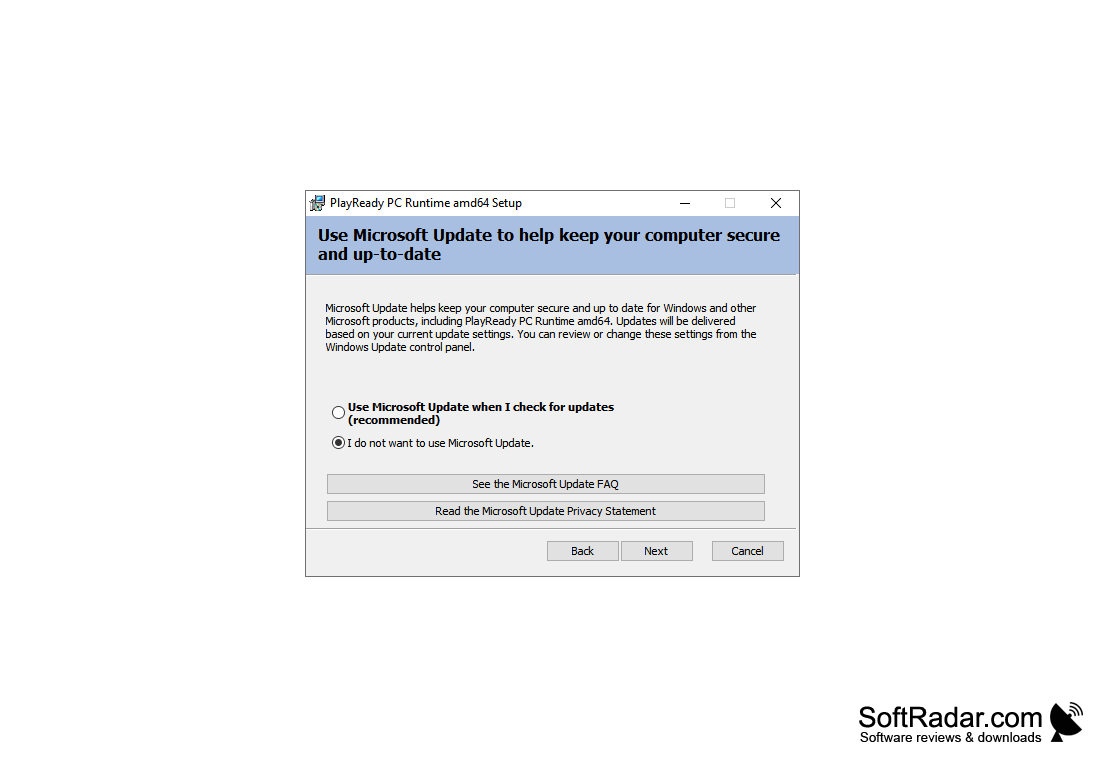
PlayReady Overview
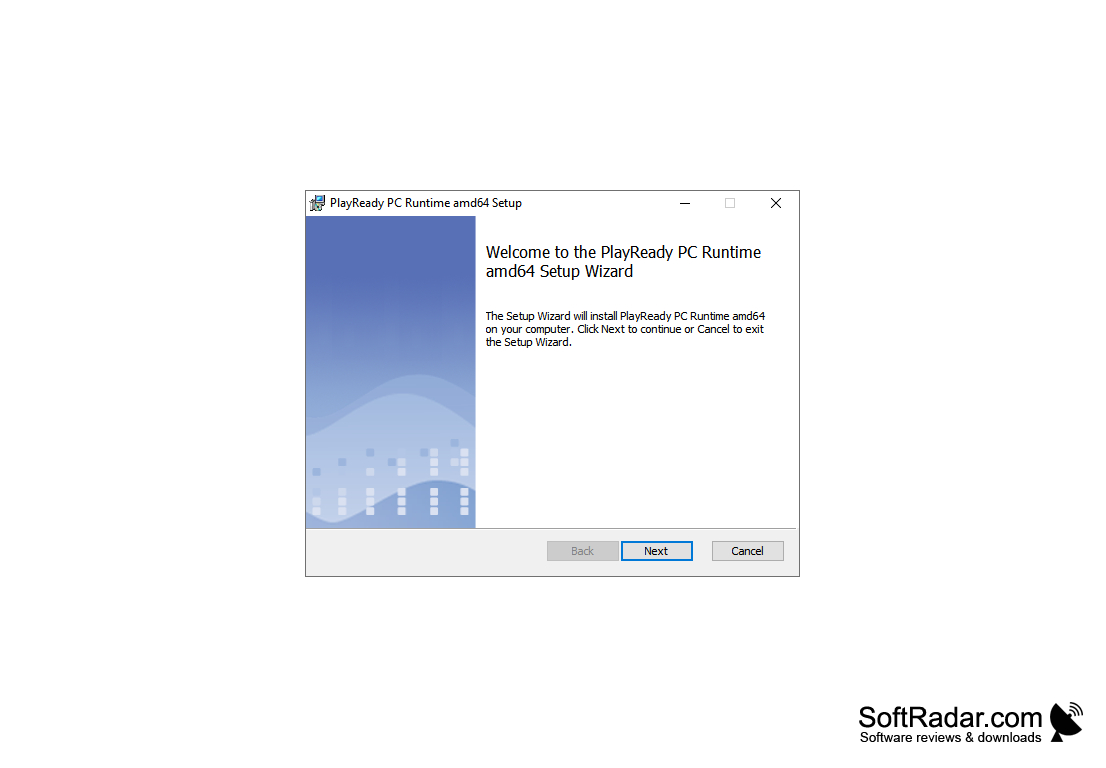
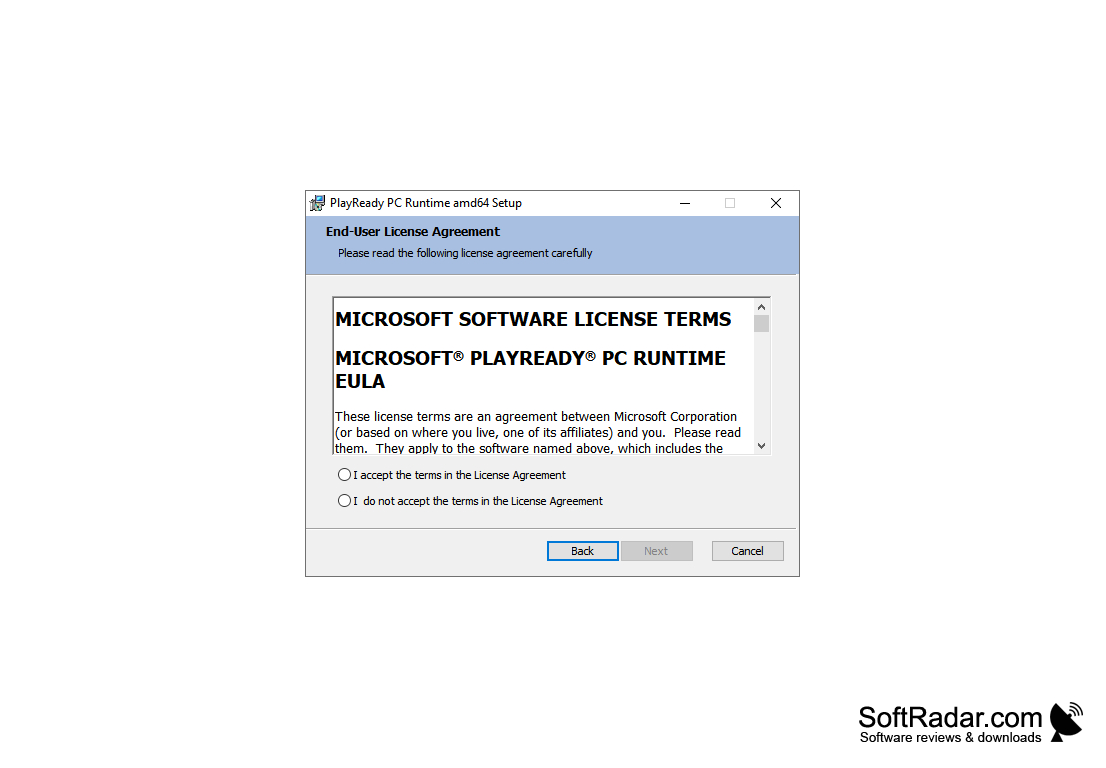
Microsoft PlayReady is a content protection technology developed by Microsoft that combines encryption, output protection and digital rights management (DRM) to protect digital media from unauthorized access. PlayReady enables users to securely stream, download, and play digital content, while content providers and owners can enforce rules such as expiration dates, security levels and output restrictions. On Windows PCs, the PlayReady PC Runtime (x86 and amd64 editions) lets applications such as Windows Media Center play PlayReady-protected content.
PlayReady Features
PlayReady provides robust DRM protection for digital content.
1. Robust Security: PlayReady provides a secure platform for the delivery and playback of digital media. It uses Advanced Encryption Standard (AES) encryption, Elliptic Curve Cryptography (ECC) digital signatures, and secure key exchange protocols to protect digital media from unauthorized access.
2. Flexible Business Models: PlayReady licenses support subscriptions, purchase and download, pay per view, rental, ad-supported content and live TV services.
3. Cross-Platform Compatible: PlayReady is compatible with a wide range of devices, including PCs, mobile phones, tablets, smart TVs and gaming consoles.
4. Streaming and Downloads: PlayReady protects basic and progressive downloads as well as adaptive streaming, and it works independently of transport, packaging and codecs.
5. Offline Support: PlayReady supports the secure download and playback of digital content, even when the device is offline.
6. Live Streaming Support: PlayReady supports the secure streaming of live TV and live events, such as concerts and sports games.
7. Watermarking: PlayReady compliance rules allow forensic watermarking technologies from approved vendors, such as NexGuard, Verimatrix and Irdeto.
8. Standards Support: PlayReady supports Common Encryption (CENC), MPEG-DASH, CMAF with AES-CTR and AES-CBC encryption, and HTML5 Encrypted Media Extensions.
9. Backwards Compatibility: PlayReady is backwards compatible with Windows Media DRM, and its domain feature lets a group of devices share licenses.
Conclusion
Microsoft PlayReady is a widely deployed DRM solution that provides secure streaming, downloading, and playback of digital media. It offers robust security, flexible business models, cross-platform compatibility, offline and live streaming support, and support for approved watermarking technologies. Companies license PlayReady from Microsoft to build servers, clients and devices, while end users get the PlayReady client with Windows or an application; the PC Runtime has no user interface of its own.
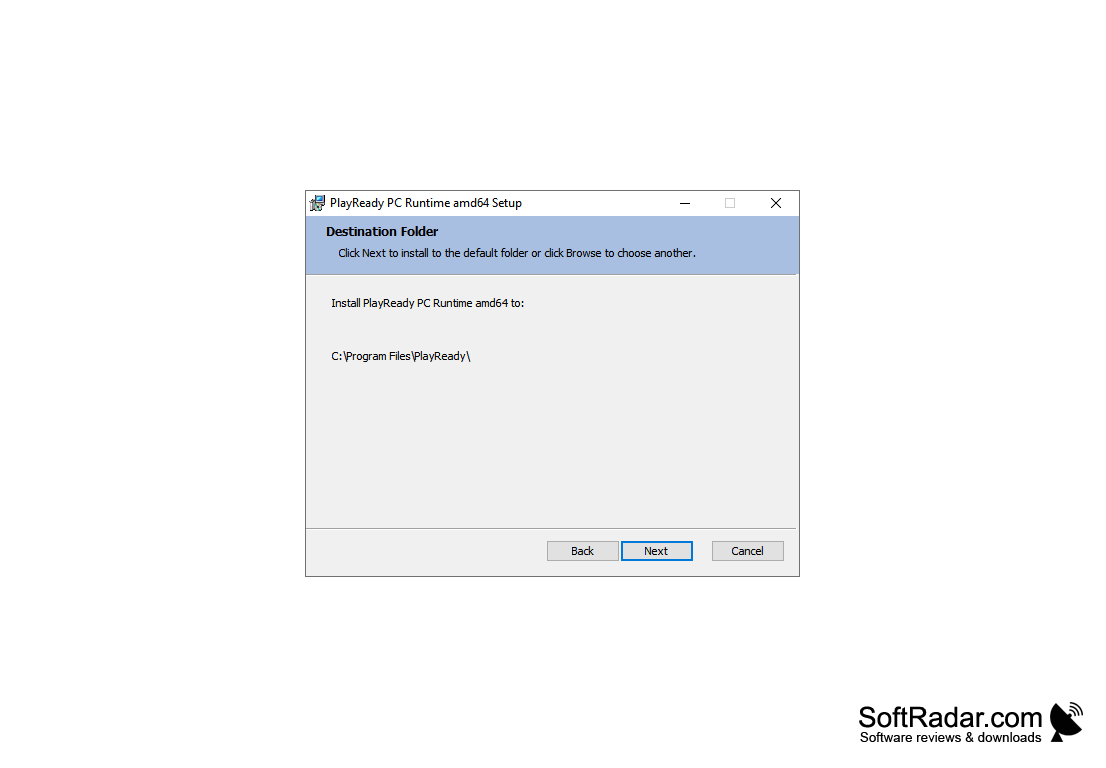
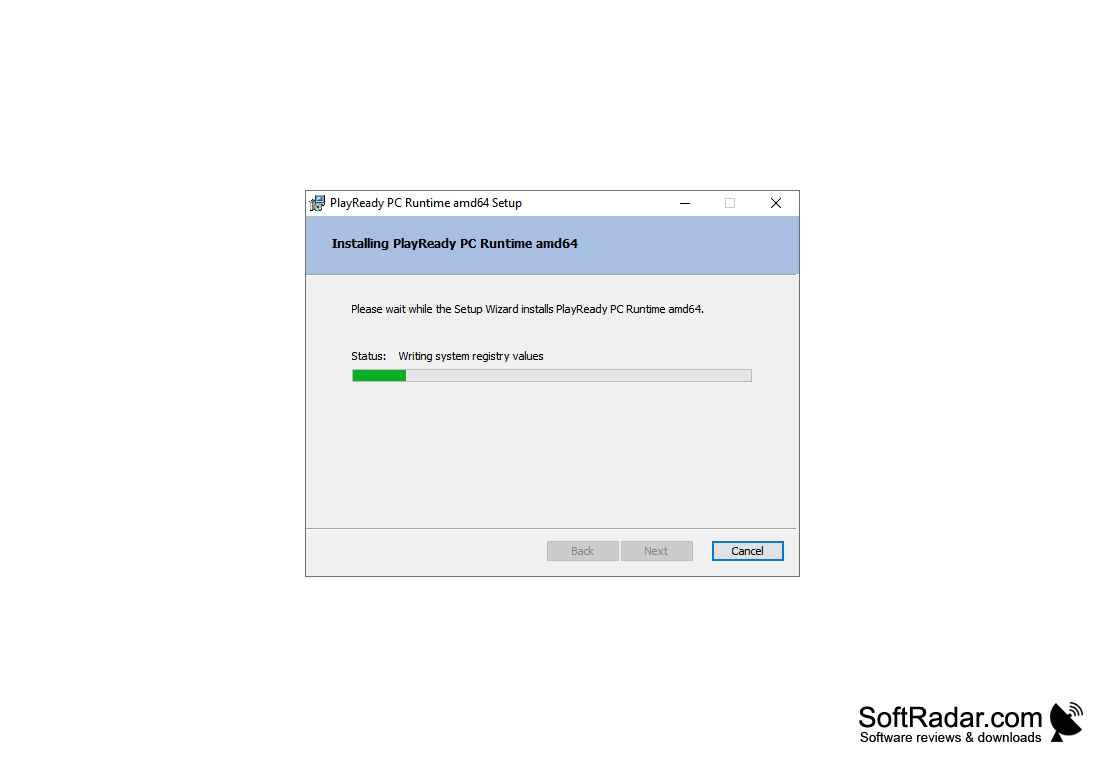
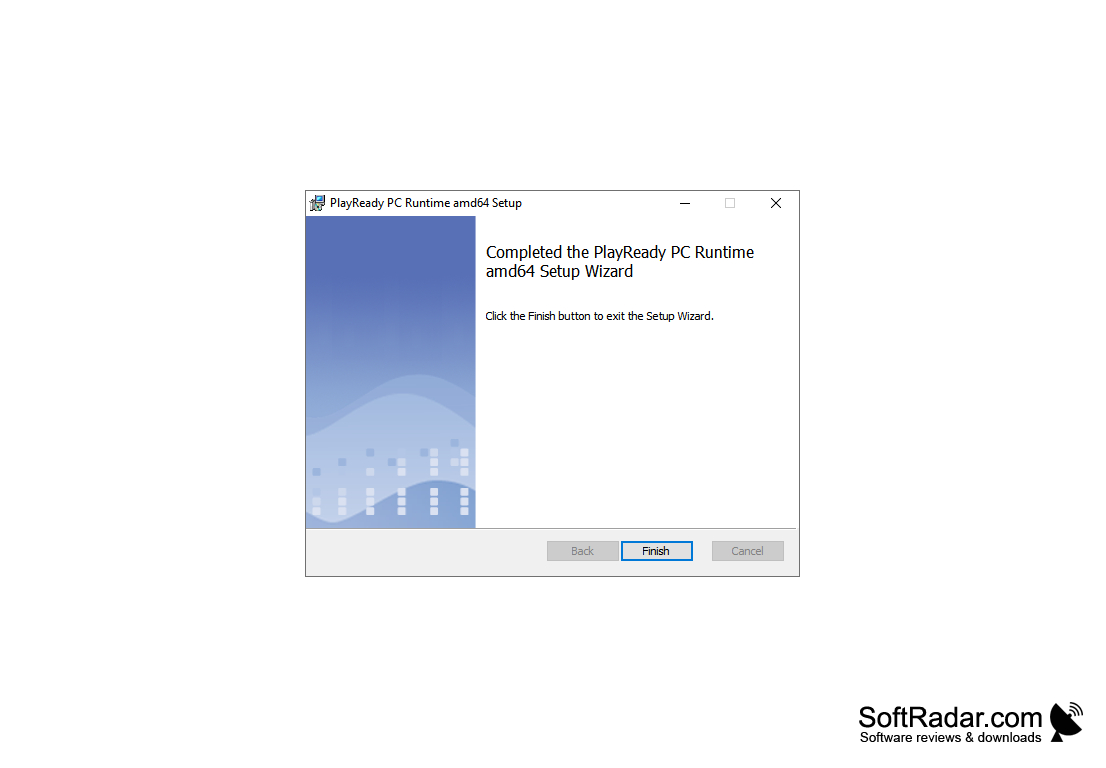
x86 or x64 (amd64) edition of the PC Runtime
PROS
Provides robust protection for content across multiple platforms.
Enhances consumer experience via seamless access to premium content.
CONS
Can be complex to implement, requires technical expertise.
The PC Runtime has no user interface or settings of its own.