
CMake Portable
CMake Portable is a cross-platform build system that simplifies the creation of native build environments for multiple platforms and architectures.
Operating system: Windows
Publisher: Kitware, Inc.
License: Open source (BSD-3-Clause)
Antivirus check: VirusTotal report
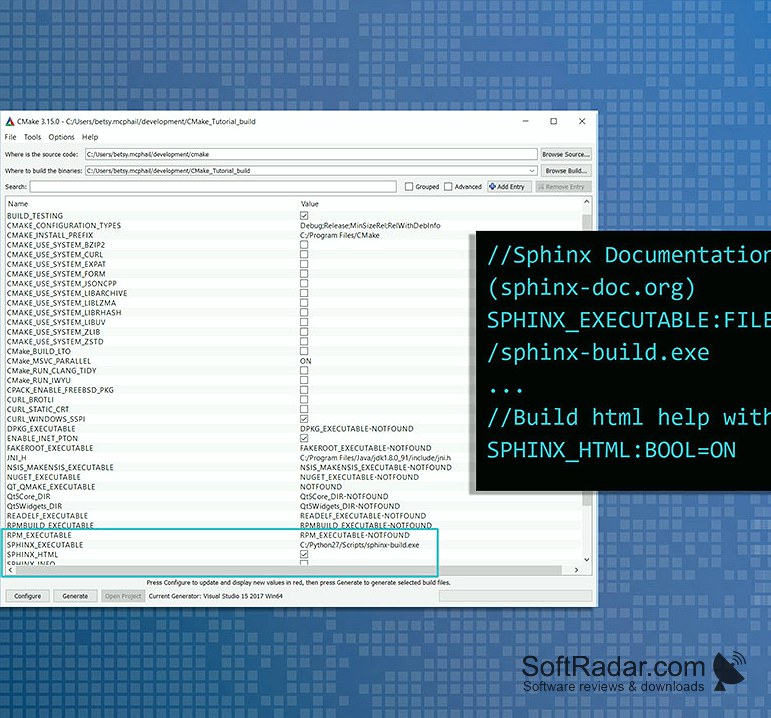
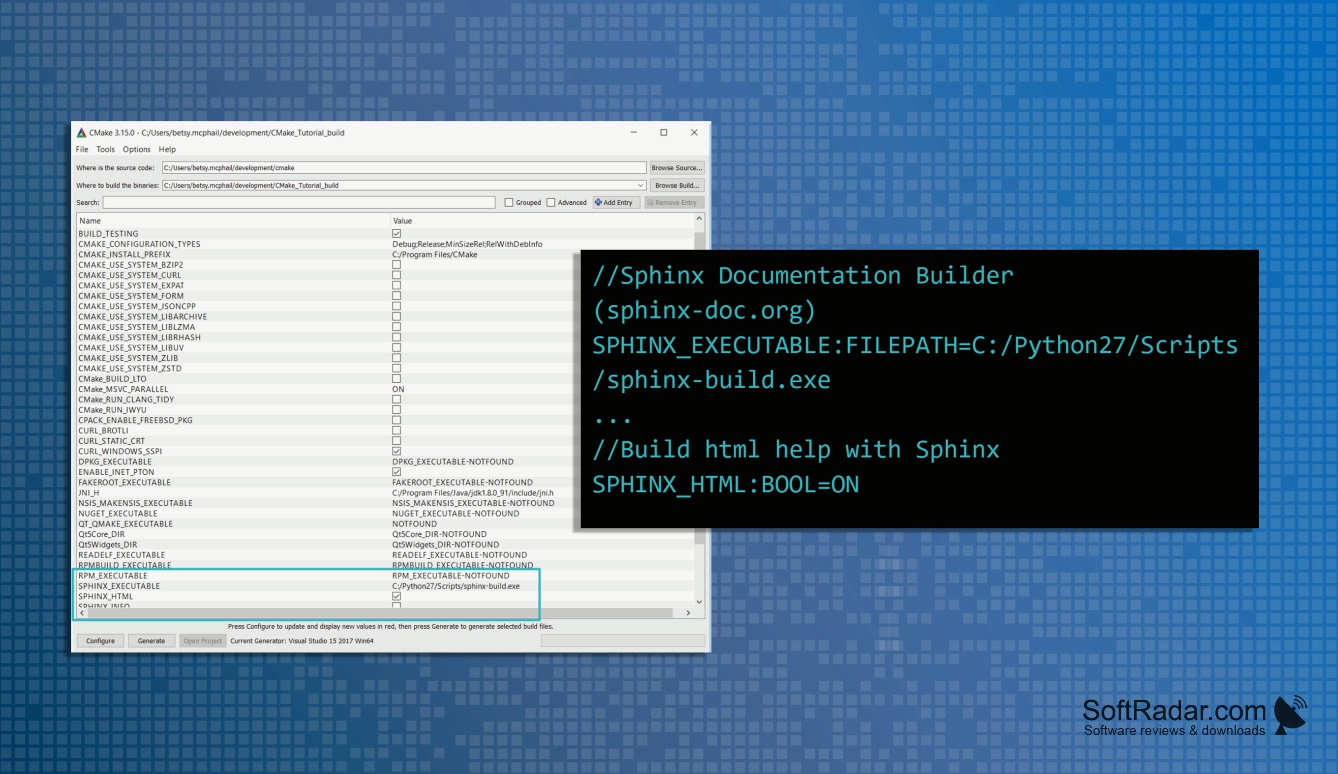
CMake Portable
Overview
CMake Portable is a free and open-source software package designed to make it easy to create, build, and manage cross-platform projects. It is a cross-platform build system, which can be used to generate native makefiles and project files for different platforms, including Windows, Mac, Linux, and more. CMake Portable allows developers to create, modify, and build projects without having to install the full source code and tools. It also provides an easy-to-use graphical user interface and a powerful scripting language for more advanced users.
CMake Portable simplifies the process of building, testing, and packaging CMake-based projects across multiple platforms and compilers.
Features
• Generates native makefiles and project files for different platforms
• Supports all major platforms, including Windows, Mac, Linux, and more
• Easy to use graphical user interface
• Cross-platform build system
• Supports multiple compilers, including GCC, Clang, Visual Studio, and more
• Flexible project configuration options
• Automatically generates platform-specific build rules
• Provides powerful scripting language for more advanced users
• Supports multiple languages, including C, C++, Fortran, Java, and more
• Supports multiple build systems, including Make, Ninja, and more
• Provides extensive documentation and support
• Includes a library of sample projects and tutorials
• Easy integration with other development tools and IDEs
Conclusion
CMake Portable is a powerful, cross-platform build system that makes it easy to create, build, and manage projects. It supports all major platforms and provides a user-friendly graphical user interface, a powerful scripting language, and flexible project configuration options. CMake Portable also includes extensive documentation, support, and a library of sample projects and tutorials. With its wide range of features and support for multiple languages, build systems, and compilers, CMake Portable is an ideal choice for developers who want to create and manage cross-platform projects.
2. Modular design: The software should be written in a modular fashion, with well-defined APIs and interfaces that allow for easy integration with other components.
3. Compatibility with existing development tools: The software should be compatible with existing development tools and frameworks, such as Visual Studio, Xcode, and Eclipse.
4. Security: The software must be secure and adhere to industry best practices for security.
5. Performance: The software should be optimized for performance, with efficient use of memory and other resources.
6. Documentation: The software should include comprehensive documentation and tutorials for users of all skill levels.
PROS
Compatible with multiple platform types.
Easy to use with a clean interface.
CONS
Lacks a user-friendly and intuitive interface.
Limited debugging and error handling capabilities.