
Intelligent standby list cleaner
Intelligent Standby List Cleaner is a Windows utility that scans, identifies, and cleans up unnecessary entries in the Windows standby list, improving system performance and stability.
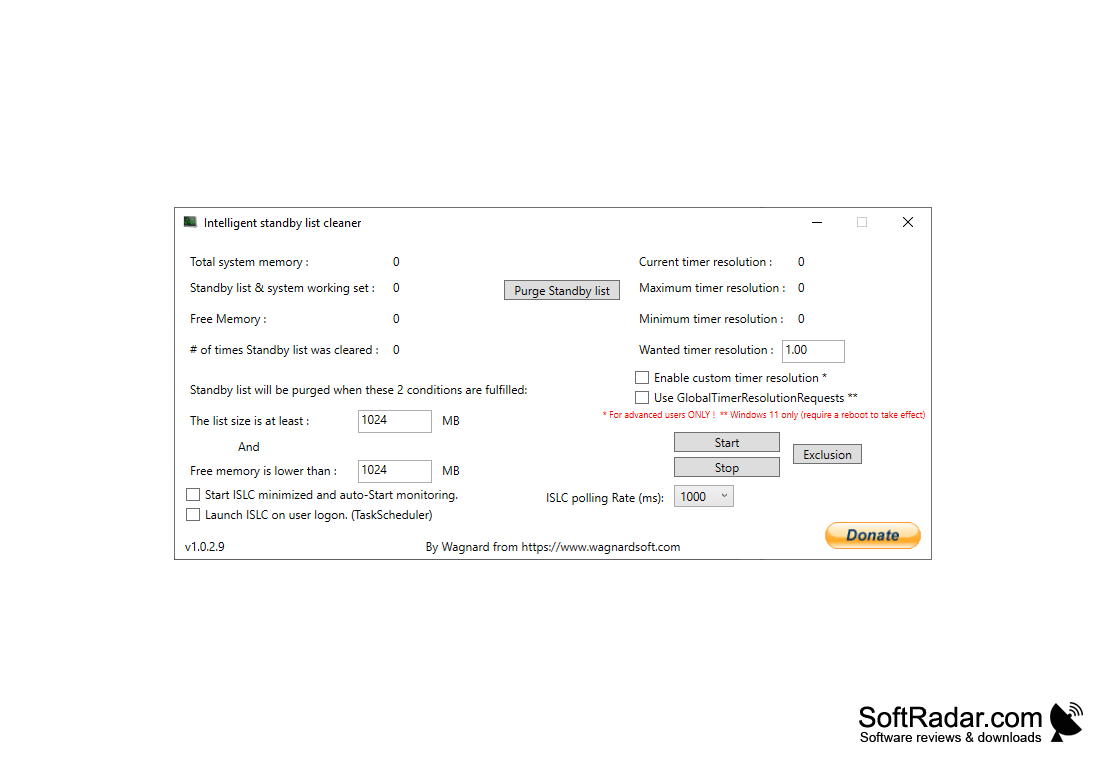
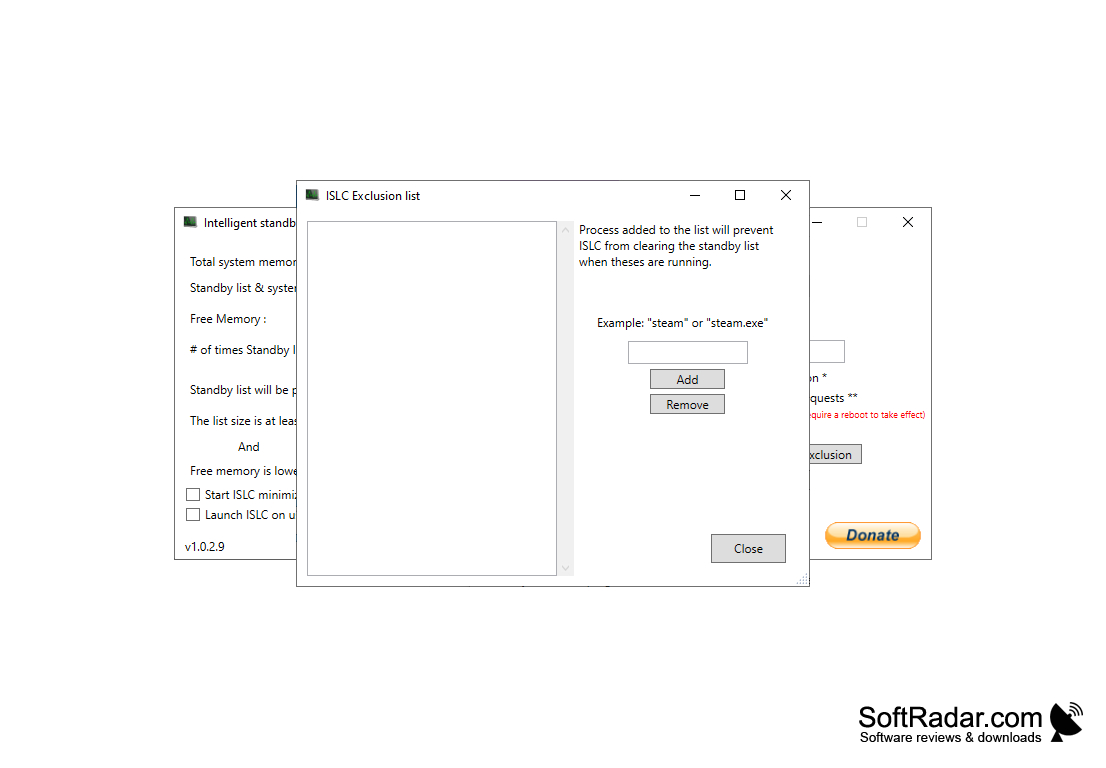
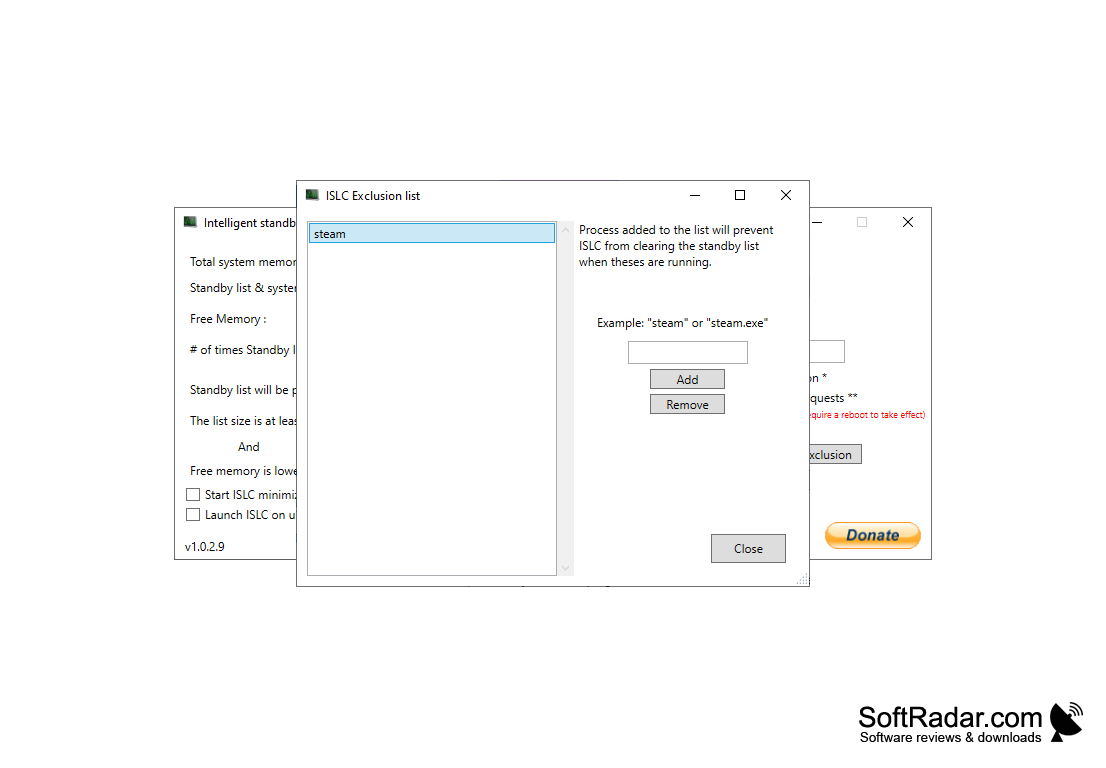
Intelligent Standby List Cleaner (ISLC) is a powerful software that helps optimize your computer’s performance by cleaning up your Windows standby list. It does this by identifying and removing unnecessary files or programs that are no longer needed, freeing up valuable system resources for more important tasks. ISLC also helps improve security by removing traces of maliciously installed software and other potential threats.
Features:
• Identify and remove unnecessary files or programs from the Windows standby list.
• Quickly scan and analyze all the data on the standby list for any potential threats.
• Automatically clean up the standby list in the background, freeing up system resources.
• Monitor and manage the status of the standby list in real-time.
• Generate detailed reports of the standby list, including the list of files and programs removed.
• Supports Windows XP, Vista, 7, 8 and 10.
• Automatically update the standby list on a regular basis.
• Easy to use graphical user interface.
• Securely delete any unwanted files or programs from the standby list.
• Backup and restore functionality allows you to quickly recover the standby list in case of any accidental deletions.
• Automatically optimize the standby list to ensure maximum performance.
• Ability to schedule automated cleanups at regular intervals.
• Ability to customize the settings for each individual user.
• Compatible with a wide range of browsers and applications.
• 24/7 technical support available.
The Standby List Cleaner allows for a more efficient use of memory, as it removes inactive standby entries from the list.
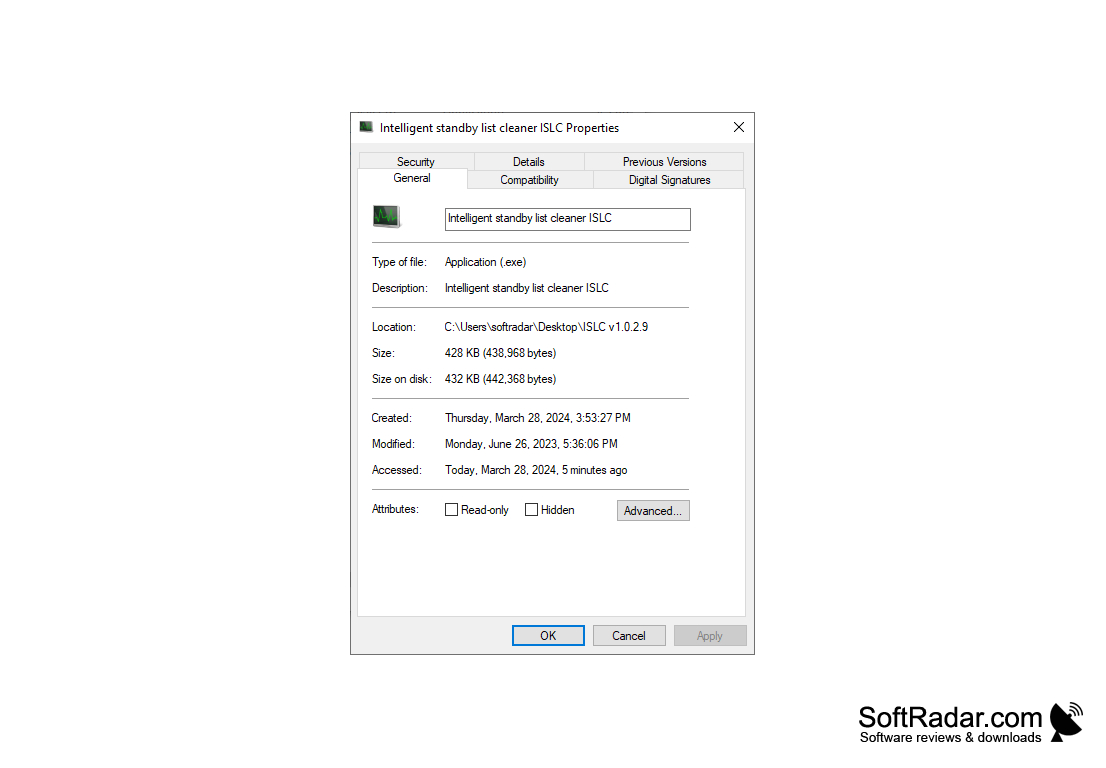
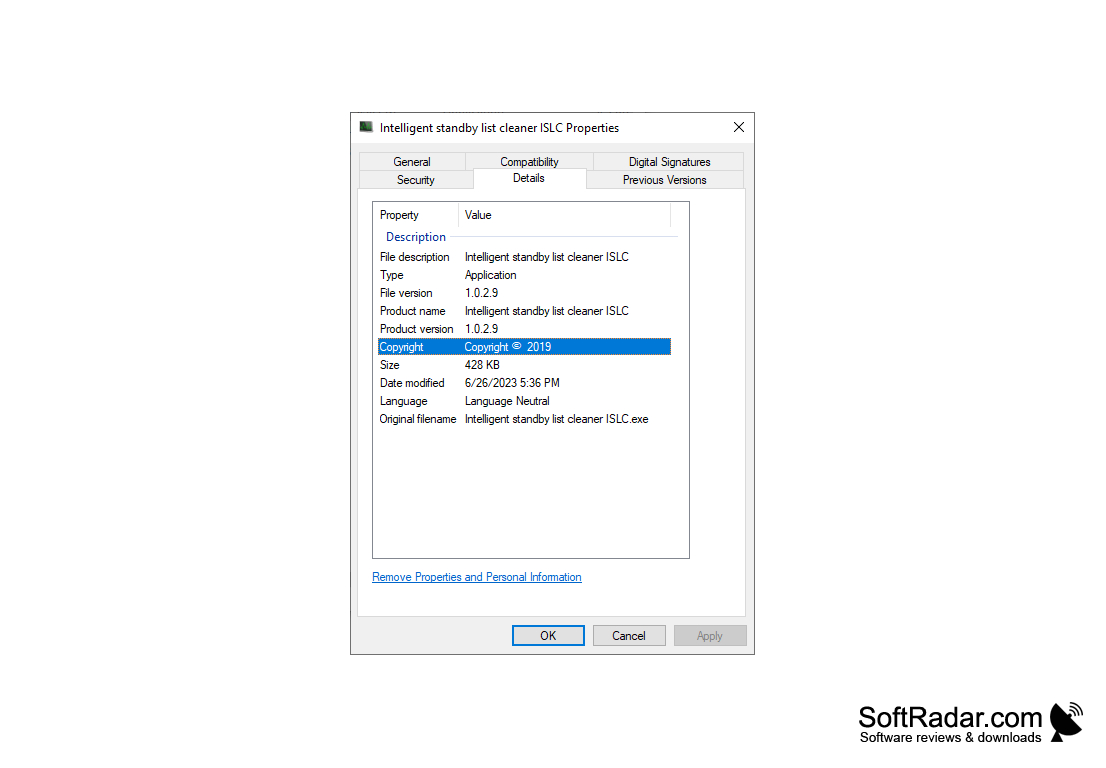
2. The software should be able to detect and remove invalid entries, such as invalid registry entries, to improve system stability.
3. The software should be able to detect and remove invalid shortcuts, such as those pointing to nonexistent files and folders.
4. The software should be able to detect and remove any malicious entries, such as those created by viruses and other malicious software.
5. The software should be able to clean out any entries that are redundant or are no longer needed.
6. The software should be able to provide detailed reports on the entries that were removed or modified.
7. The software should be able to backup the entire system before making any changes so that the user can easily restore the system in case of an error.
8. The software should be user friendly and easy to use.
9. The software should be light on resources, not using up too much memory or CPU power.
10. The software should be regularly updated to ensure it is able to detect and remove the latest threats.
PROS
Reduces lag and stutters in heavy-duty games.
Automatic cleaning based on customizable conditions.
CONS
Requires regular user intervention for maximum effectiveness.
May interfere with other system optimization software.


