
Kali Linux
Kali Linux is a free, open-source Debian-based Linux distribution with hundreds of preinstalled tools for penetration testing and security auditing.
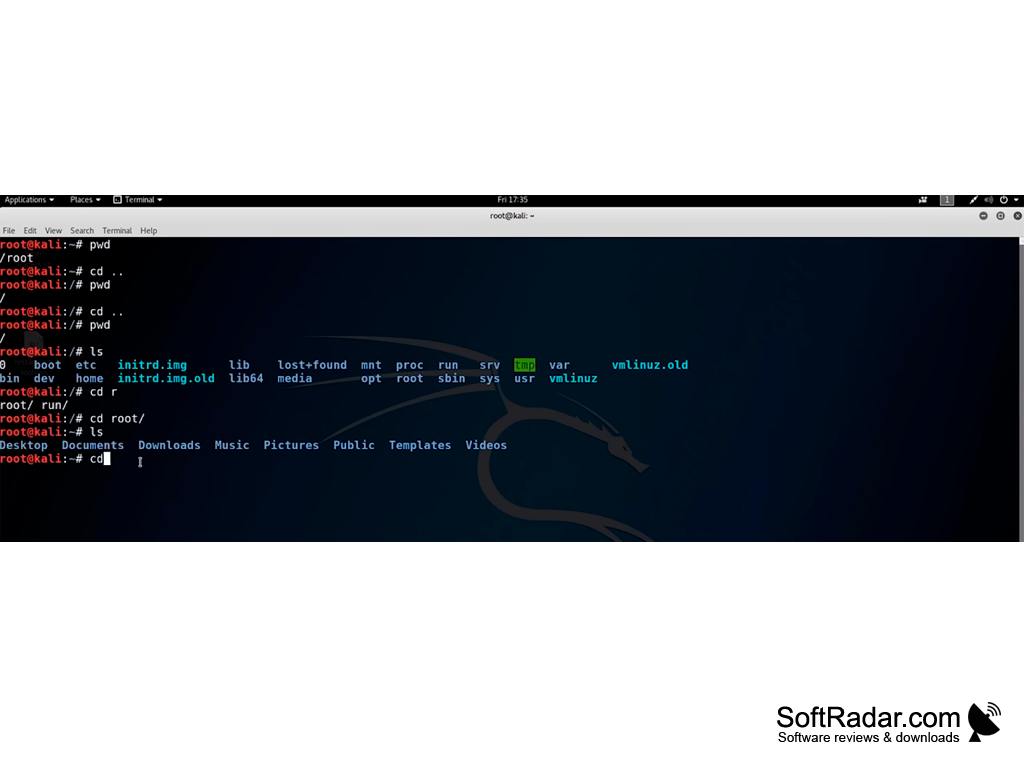
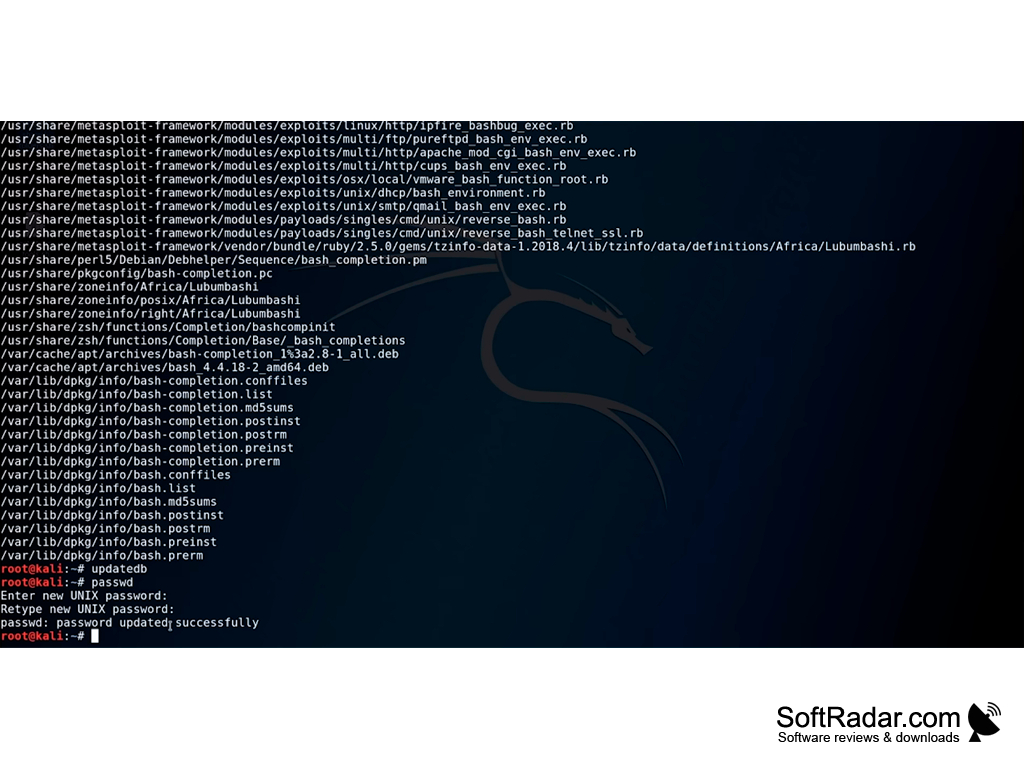
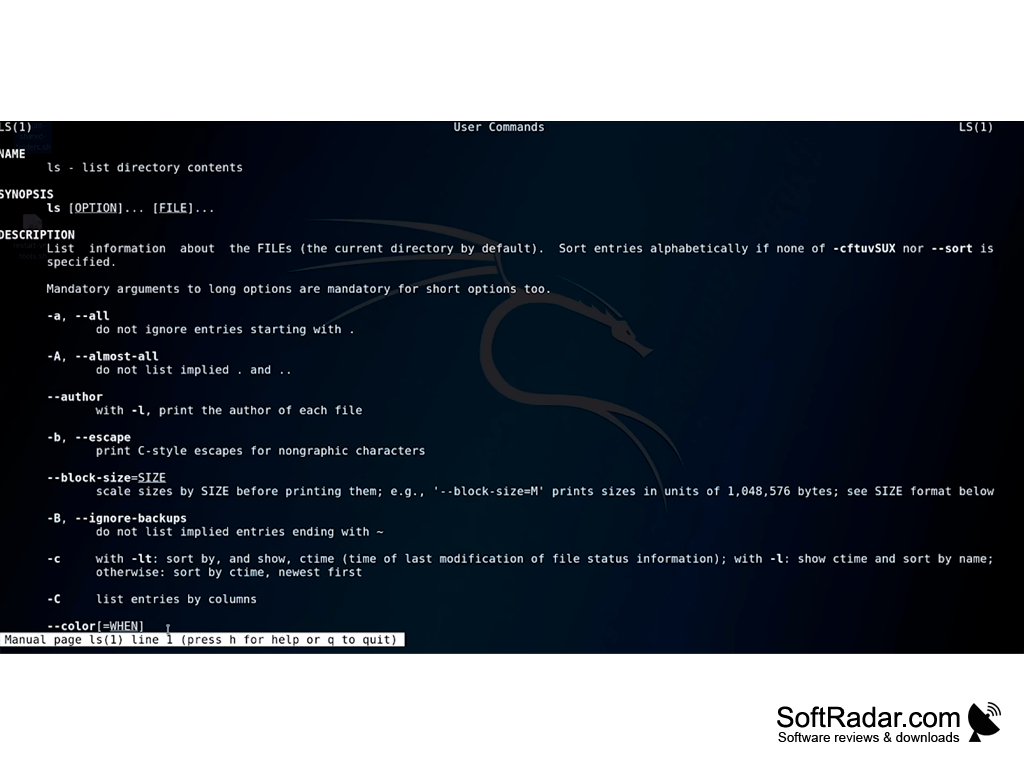
Kali Linux is an operating system (OS) based on Debian and developed as the successor of the BackTrack distribution. During its creation, developers intended to create a convenient environment for testing applications, networks and web resources for security.
Kali Linux distribution includes a large number of pre-installed utilities that will help the user to check the reliability of protection of personal data and various services. These include traffic analyzers, port scanners, vulnerability scanners, wireless auditing tools, reverse engineering, password recovery and digital forensics utilities. In the hands of a professional, they become powerful tools for finding weaknesses before attackers do; the distribution is intended for authorized security testing. The OS configuration follows strict rules: network services are disabled by default, and the kernel is patched for wireless packet injection. By default, only a small group of trusted developers is allowed to commit packages to the Kali repositories: every package is GPG-signed by the developer who built it, and the repositories sign the packages as well. The Kali repositories are used to download and update applications and software packages. At your own risk, you can add other sources, such as standard Debian repositories, but mixing them is discouraged because it can break the system.
Kali Linux is widely used by computer security and forensics specialists. It offers the relevant tools to test the security of websites, networks and programs right out of the box, and it is completely free of charge and open source. On a Windows PC, Kali can be run in a virtual machine, installed next to Windows, booted from a live USB drive or used through the Kali app for the Windows Subsystem for Linux (WSL) from the Microsoft Store.
Kali Linux provides a ready-made environment for penetration testing and security auditing, with hundreds of preinstalled and regularly updated security tools.
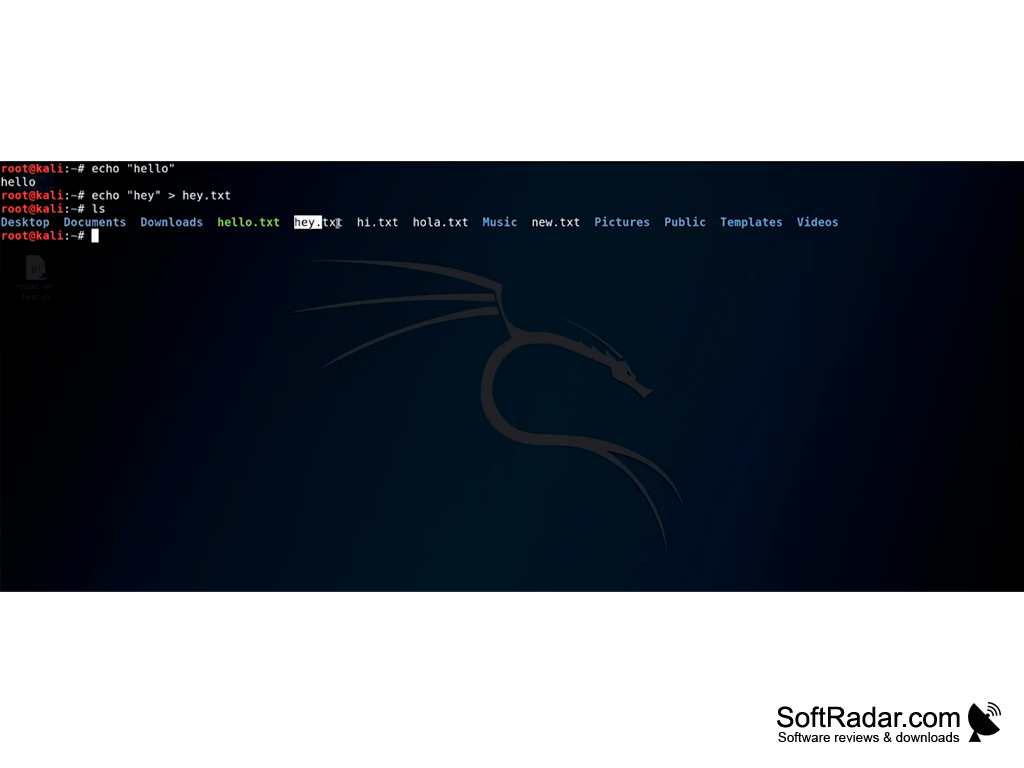
2 GB RAM recommended (128 MB minimum)
20 GB disk space recommended (2 GB minimum)
Windows 10 or 11 to run it via WSL
PROS
Open-source, customizable according to user needs.
Excellent support community and documentation.
CONS
Requires good knowledge of the Linux command line.
Not intended as an everyday desktop operating system.


