
Kinza
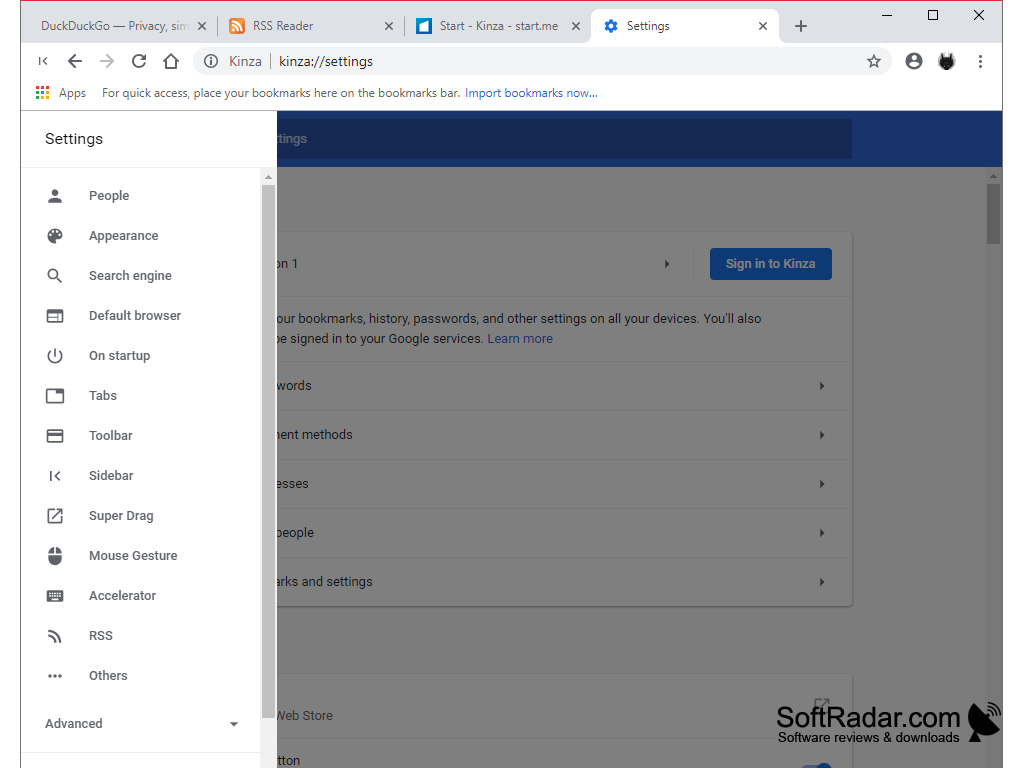
Kinza is a multi-platform web browser designed to make browsing the web faster, easier, and more secure.
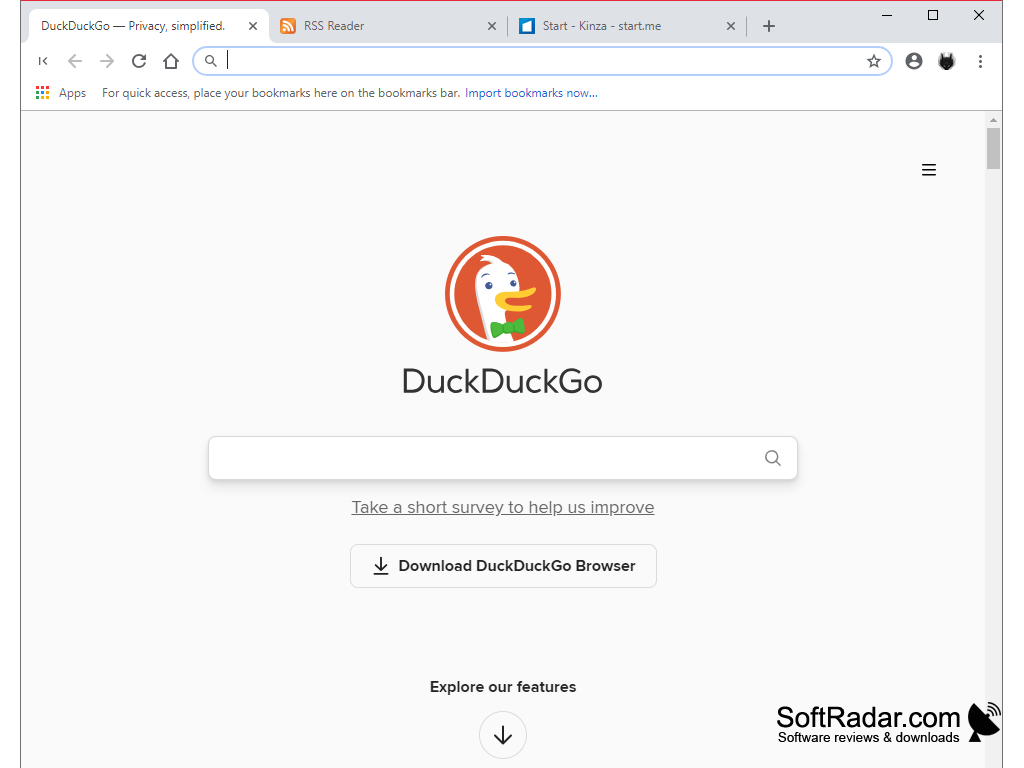
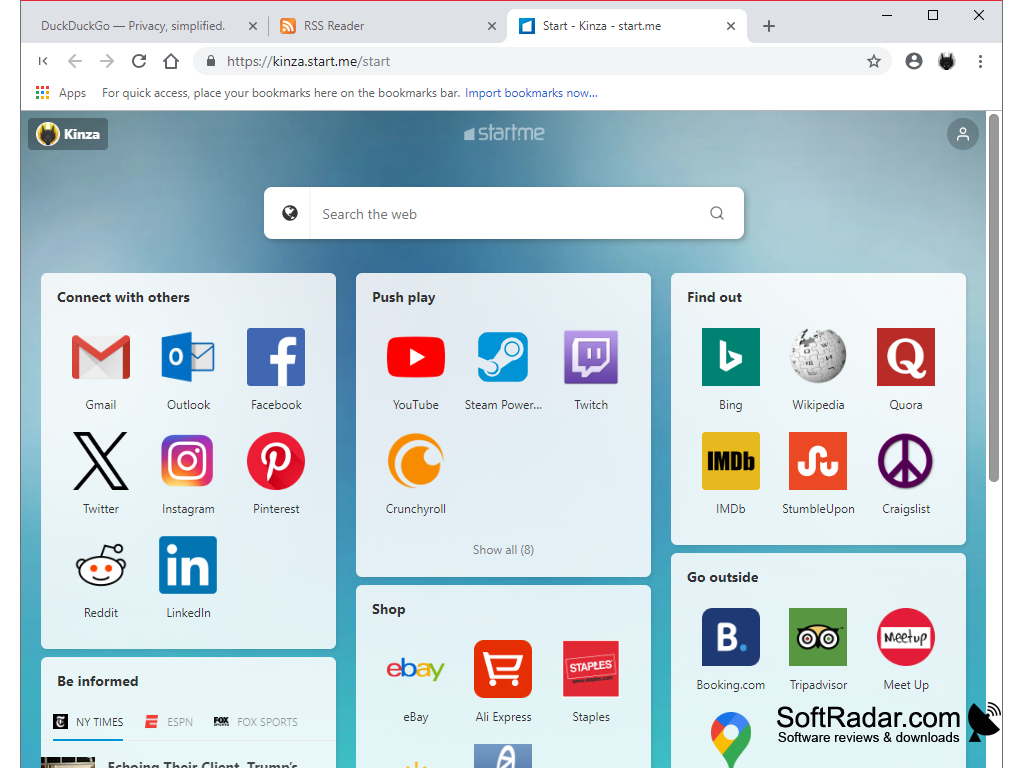
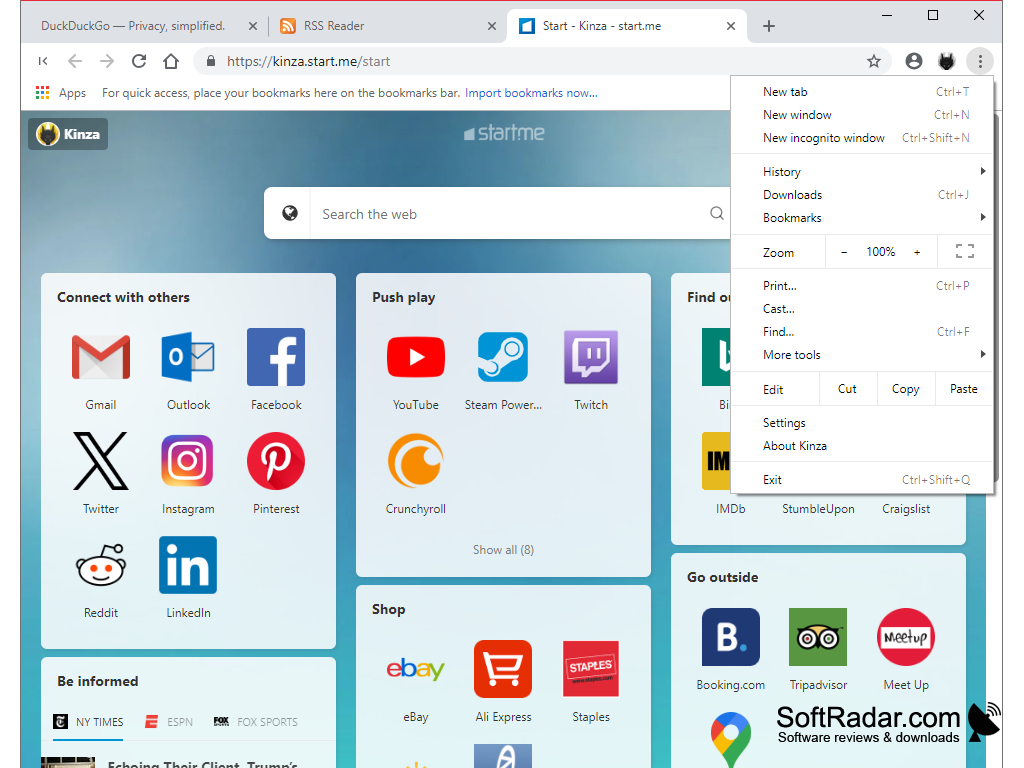
Kinza Software
Kinza is a software designed to make managing a business or organization easier and more efficient. The software is designed to help streamline processes, facilitate collaboration, and increase productivity. The software is designed to be easy to use and intuitive, making it accessible even to those without technical experience.
Kinza allows users to easily manage multiple windows and tabs in a single browser window.
Features
1. Task Management: Easily assign tasks to team members and track their progress. Set deadlines and assign tasks to specific team members.
2. Collaboration Tools: Create projects and teams to easily collaborate on tasks. Share files and documents with team members and create discussion threads to discuss topics related to the project.
3. Reporting: Generate comprehensive reports to track the progress of tasks and team members.
4. Scheduling: Schedule appointments and meetings with ease.
5. Time Tracking: Track the time spent on tasks and projects.
6. Document Management: Store and share files and documents with ease.
7. Messaging: Send messages and notifications to team members.
8. Analytics: Generate comprehensive analytics to track the performance of team members and tasks.
9. Customization: Customize the software to fit the needs of your organization.
10. Integration: Integrate with third-party applications and services.
11. Security: Keep your data secure with the latest security measures.
12. Support: Get support from the Kinza team whenever you need it.
Conclusion
Kinza is a powerful software designed to make managing a business or organization easier and more efficient. The software is designed to be easy to use and intuitive, making it accessible even to those without technical experience. With features such as task management, collaboration tools, reporting, scheduling, time tracking, document management, messaging, analytics, customization, integration, security, and support, Kinza is an excellent choice for any organization looking to streamline their processes and increase productivity.

2. Server: Apache, Nginx, Microsoft IIS
3. Database: MySQL, PostgreSQL, MongoDB
4. Web Framework: PHP (Laravel, CodeIgniter, Symfony, etc.), Ruby on Rails, ASP.NET MVC
5. Programming Languages: HTML, CSS, JavaScript, Java, Python, etc.
6. Libraries: jQuery, Bootstrap, AngularJS, React, etc.
7. Software Architecture: MVC, SOA, REST
8. Version Control: Git, Subversion, Mercurial
9. Security: SSL encryption, password hashing, firewalls, antivirus software
10. Data Storage: Cloud storage, local storage, relational databases
PROS
Built-in ad blocker for seamless internet browsing.
Supports extensions for enhanced functionality.
CONS
Lacks advanced features for power users.
No mobile version available.

![Flock [DISCONTINUED]](/static/products/flock-discontinued/flock-discontinued-logo-small.jpg)


