
Okular
Okular is a universal document viewer for displaying and annotating a wide variety of document formats.
Operating system: Windows
Publisher: KDE e.V.
Release: Okular 26.08.1
License: Open source (GPL-2.0-or-later)
Antivirus check: VirusTotal report
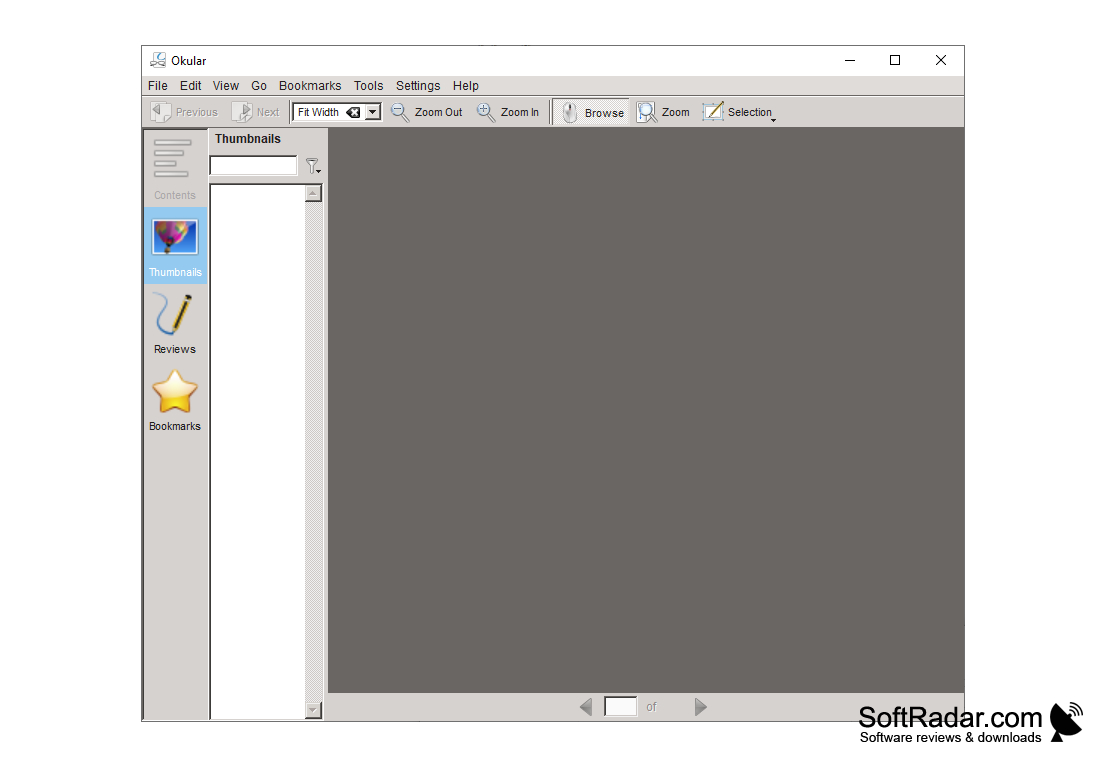
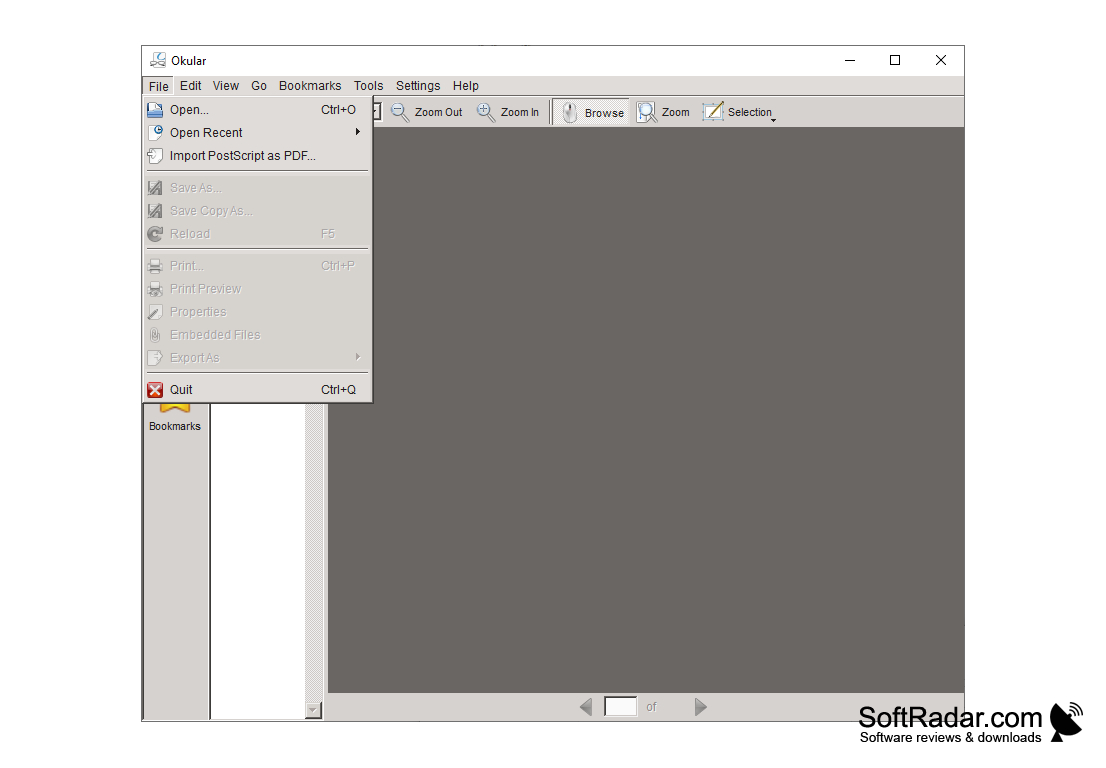
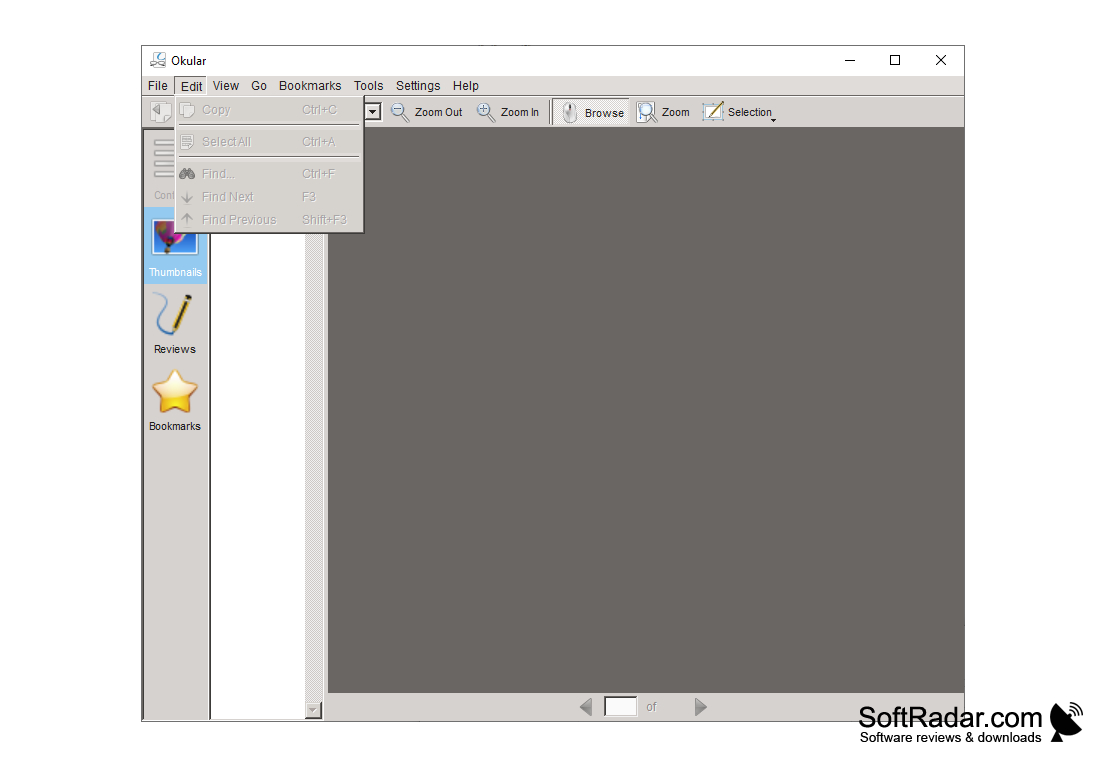
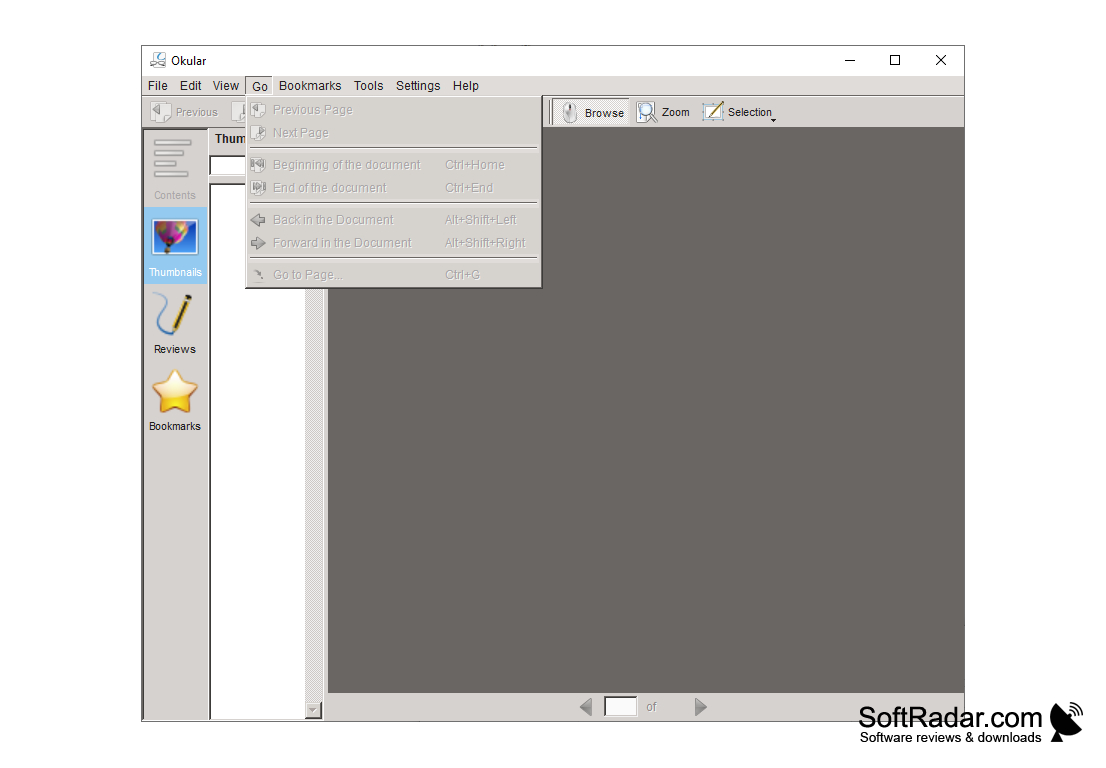
Overview
Okular is a universal document viewer developed by KDE. It is an open-source, cross-platform application primarily designed for viewing PDF, PostScript, DjVu, XPS, ePub, TIFF and ODT documents, as well as comic books, and comic book archives.
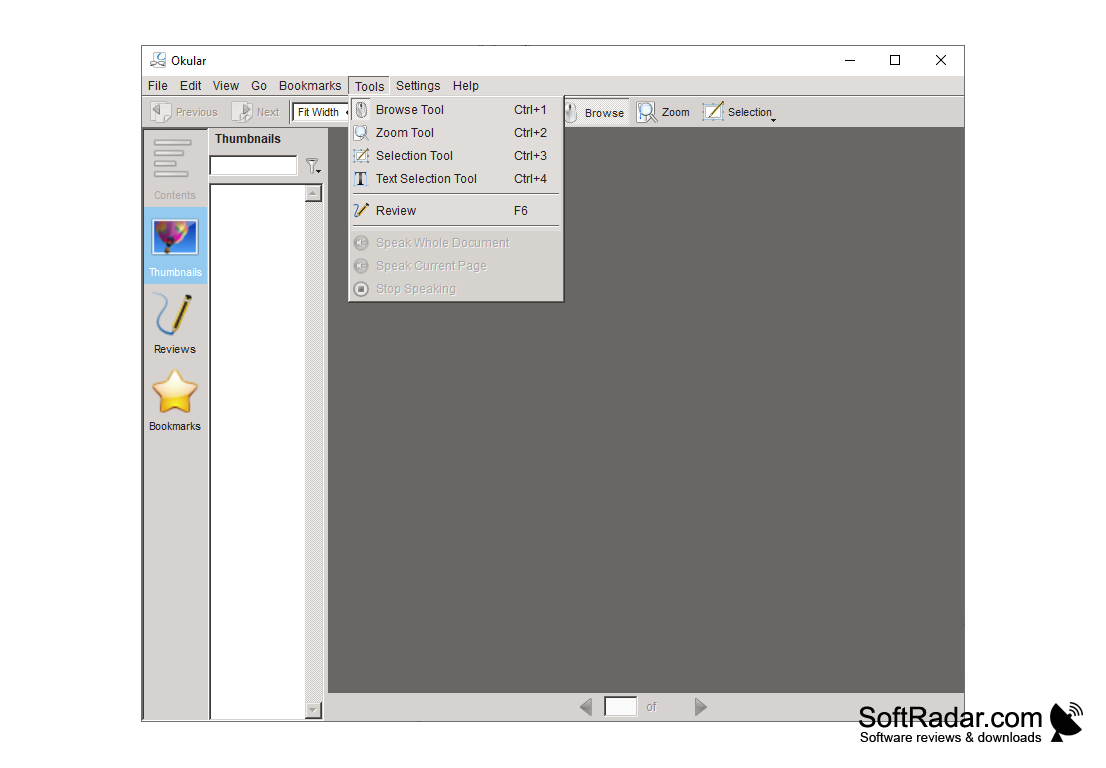
Okular can be used as a standalone application, as well as a document viewing component embedded in other KDE applications such as Konqueror. It provides features such as text search, annotations, form filling, text selection, and a presentation mode.
Okular offers users a convenient, unified interface for viewing and manipulating documents of many different formats.
Features
• View and annotate PDF, PostScript, DjVu, XPS, ePub, TIFF and ODT documents, as well as comic books and comic book archives.
• Search text in documents.
• Create and edit annotations, highlight text, and fill forms.
• Text selection and copying.
• Presentation mode with support for transitions and animations.
• Have multiple documents open at the same time.
• Export documents to plain text or an Okular document archive.
• Embeddable viewer component for other KDE applications.
• Bookmarks, page thumbnails, and page display mode controls.
• Support for features such as encryption, digital signatures, and document links.
• Text-to-speech reading of a page or the whole document.
• Reviews panel that lists all annotations of a document.
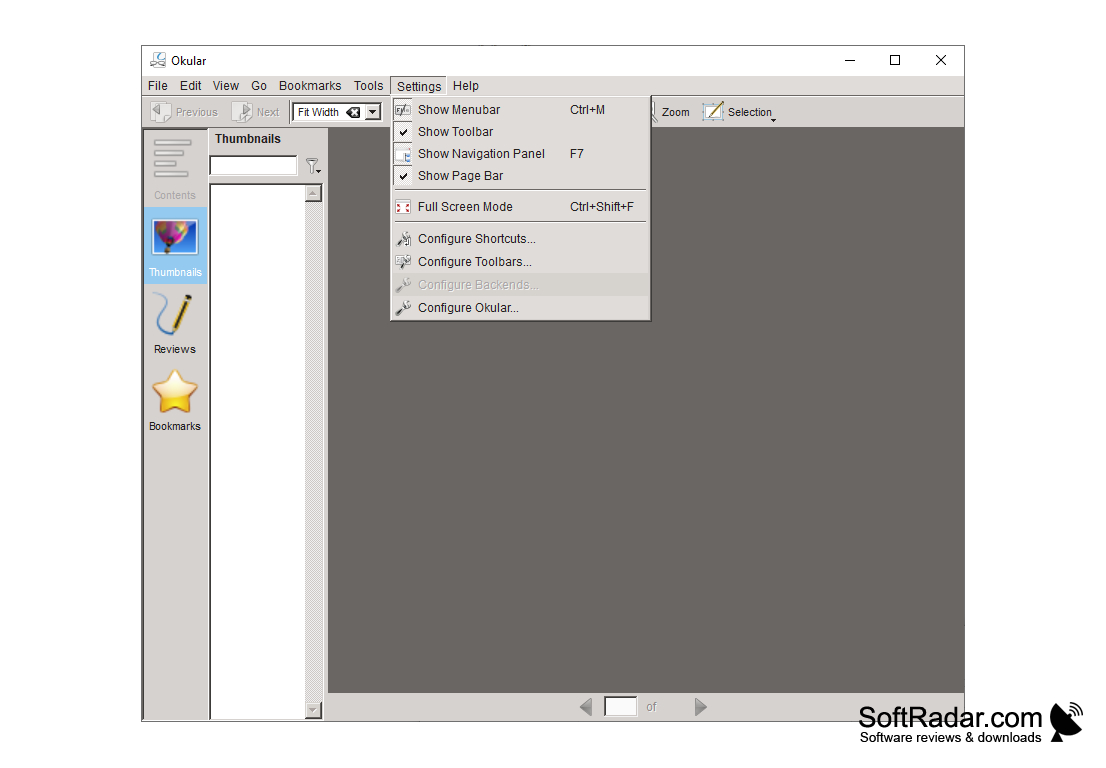
• Fullscreen mode for better focus on documents.
• Supports drag-and-drop for easy document opening.
• Automatically displays document information such as title, author, and page number.
• Ability to rotate documents.
• Customizable user interface with support for multiple languages.
• Ability to print documents.
• Save PDF files with annotations and filled forms.
• View, verify and add digital signatures to PDF files.
• Compatible with a variety of formats, including PDF, PostScript, DjVu, XPS, ePub, TIFF, ODT, DVI, FictionBook, Markdown, images and comic books.
• Accessibility support.
64-bit (x64) processor
1 GB RAM
PROS
Includes annotation and editing tools.
Open-source and free to use.
CONS
KDE interface looks different from native Windows apps.
Lacks advanced features for professional editing and manipulation.


