
AirSnort
AirSnort is an old open-source wireless LAN security tool that demonstrated the weaknesses of WEP encryption on 802.11b networks.
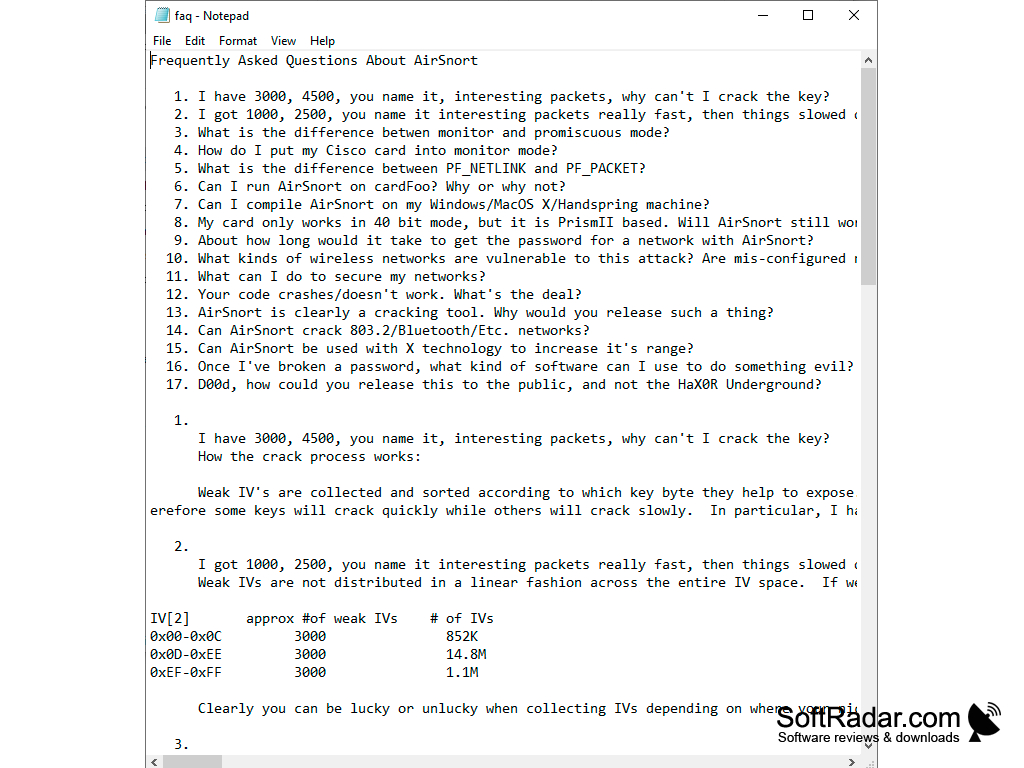
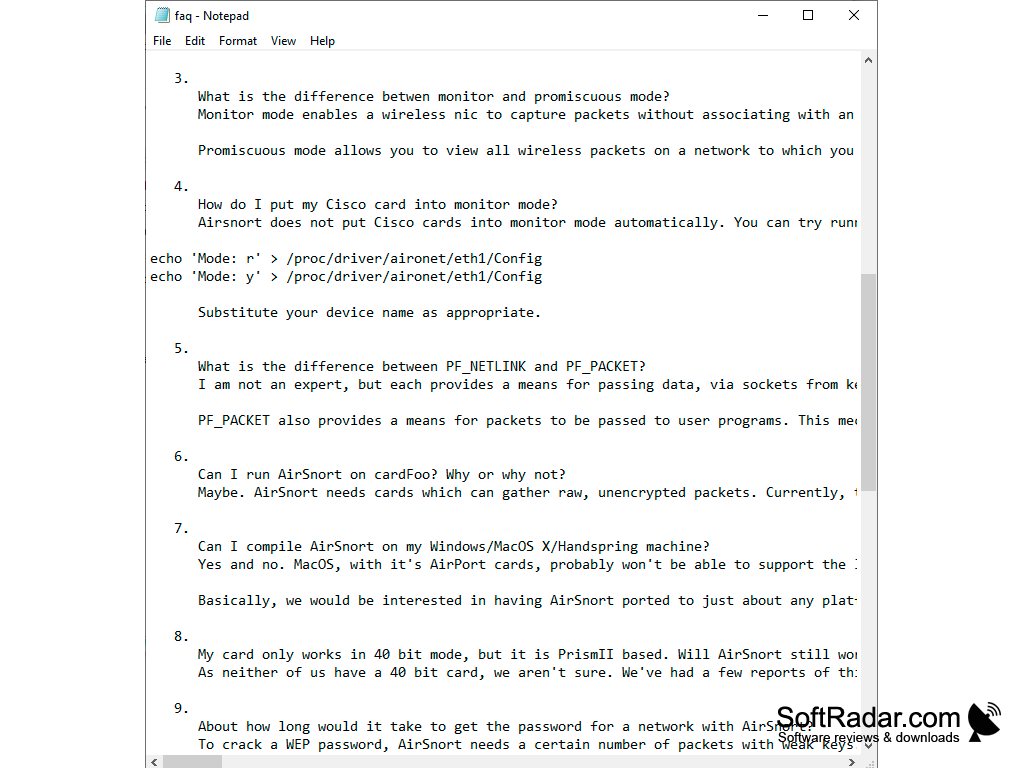
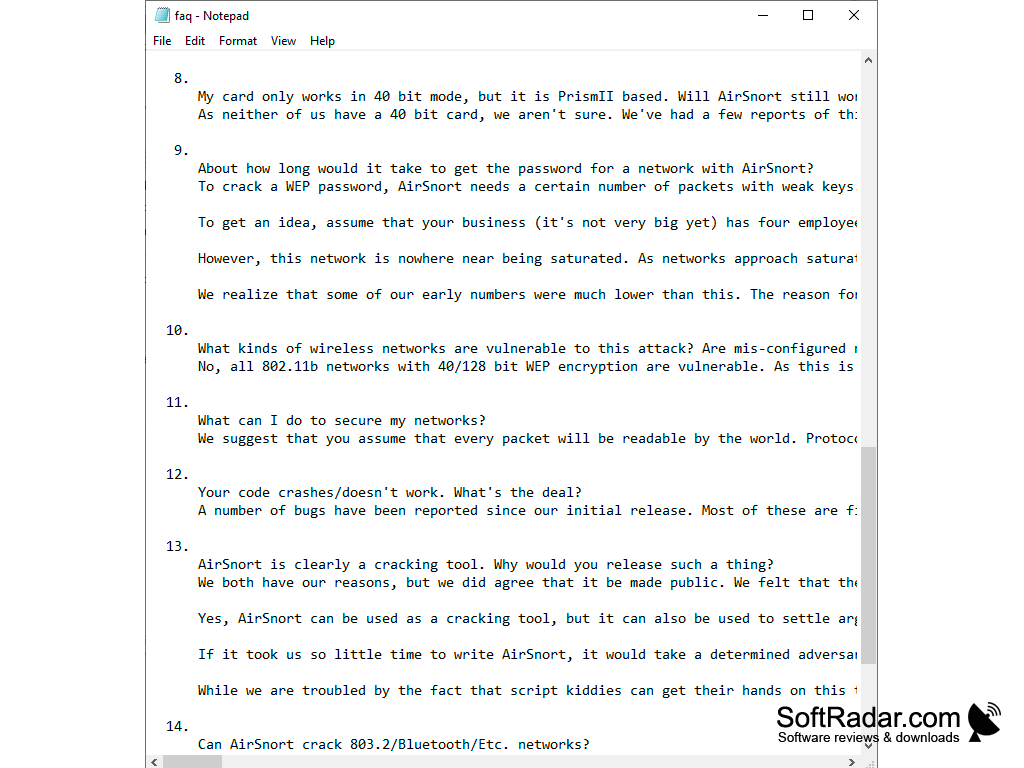
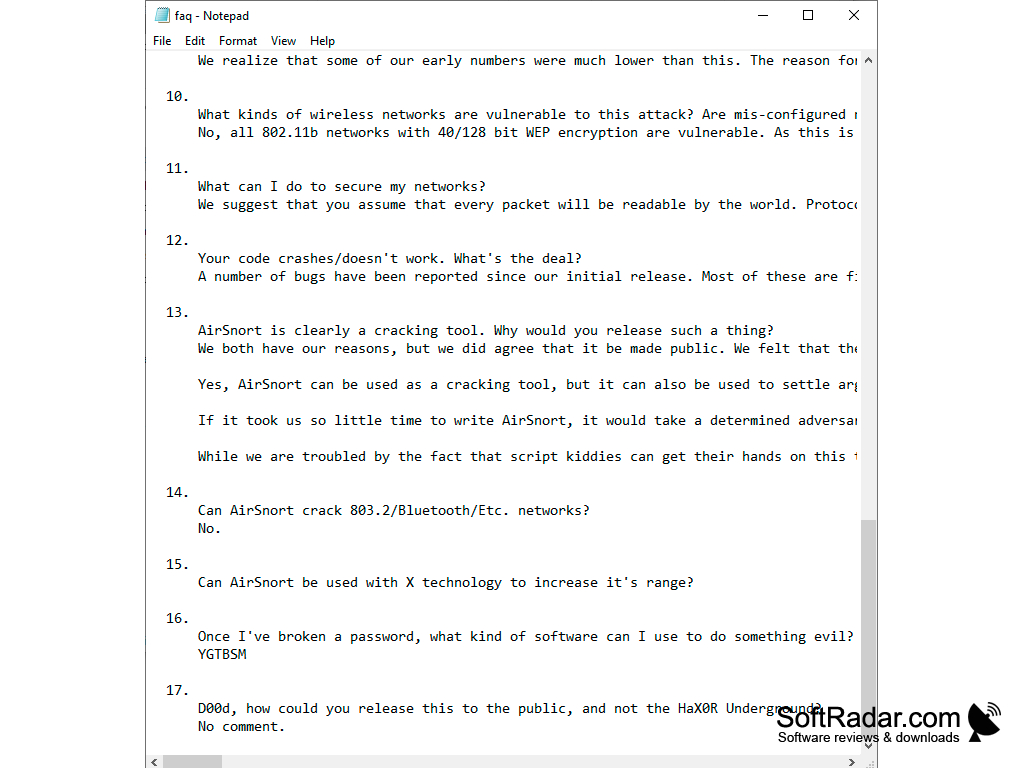
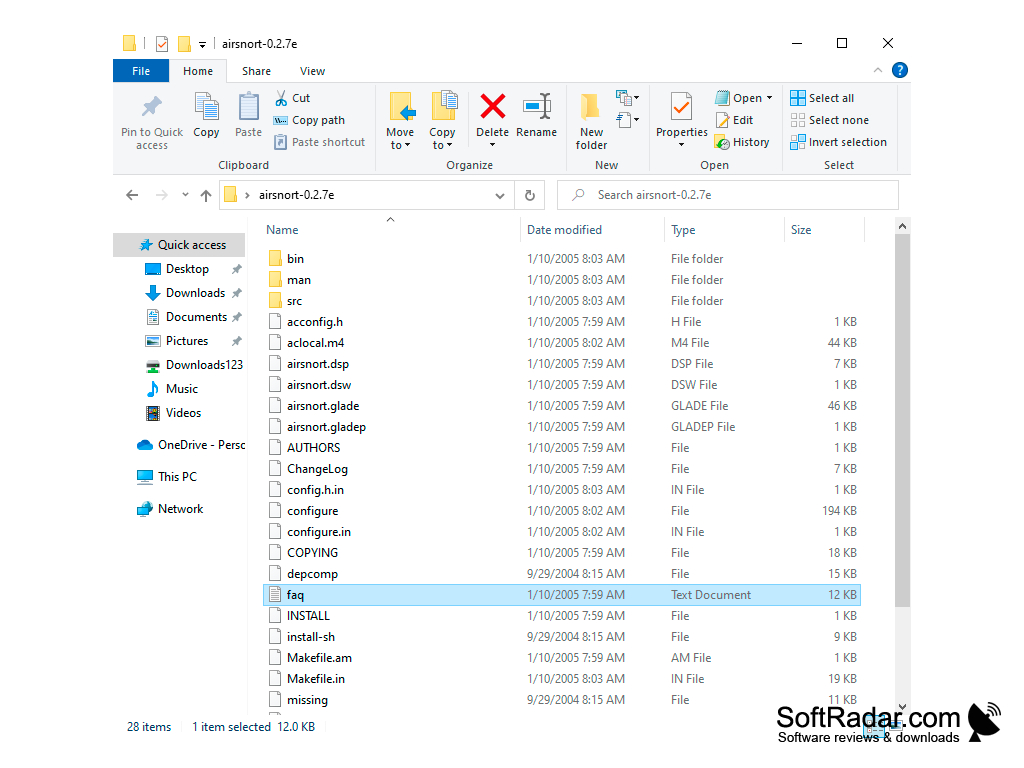
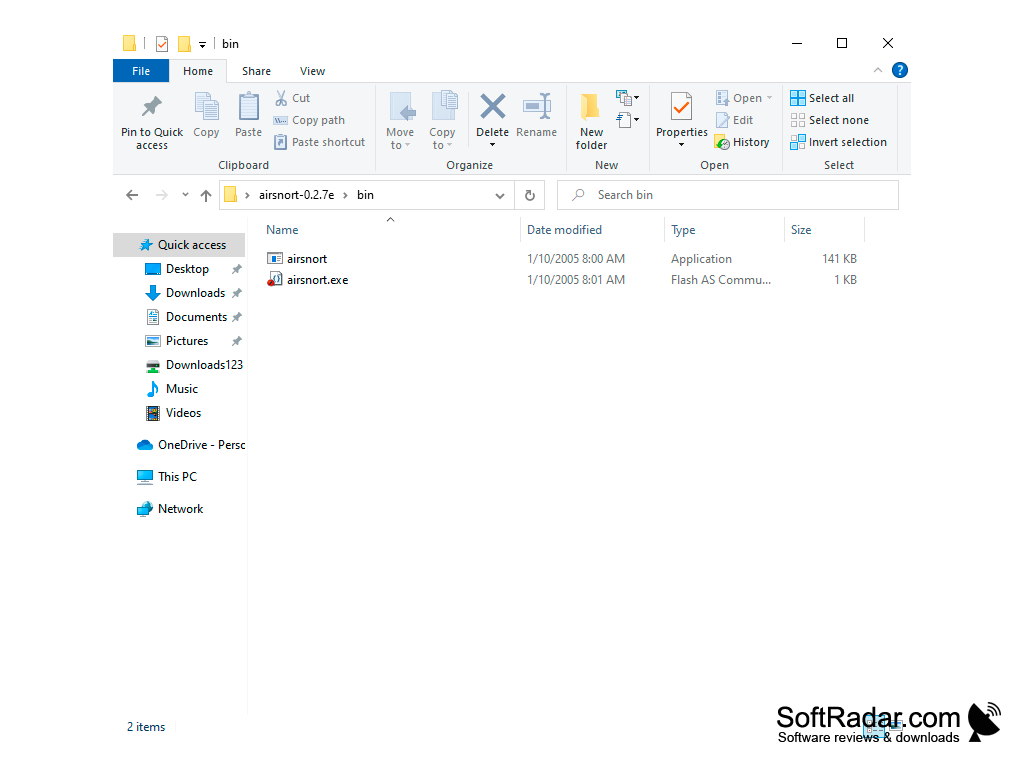
AirSnort for Windows is an old wireless LAN security tool from the early 2000s. It was created by the security researchers Jeremy Bruestle and Blake Hegerle to demonstrate the weaknesses of WEP, the original encryption scheme of 802.11b Wi-Fi networks, and its authors said they wanted to open people's eyes to how poorly wireless networks were protected at the time. The program only deals with WEP; it has no effect on networks protected with WPA, WPA2 or WPA3, which replaced WEP long ago. AirSnort was first written for Linux, and a Windows port was added later. On Windows it depends on extra components: it was built with the Windows ports of the GTK+ toolkit and its GLib, Pango and ATK libraries, and it works only with a small number of older wireless cards and drivers. The Windows package comes as an archive that can be unpacked with WinRAR or another archiver; besides the compiled program in its bin folder, the archive contains the C source code, the GPL license text, a change log and a FAQ file.
Features:
- The product runs under Windows, Linux and BSD
- Development has stopped, but the last version is still available for free
- Free and open source under the GNU GPL
- Works only with legacy WEP networks
Shows why the old WEP standard is insecure, which makes it a useful piece of Wi-Fi security history.
This product is free to download from its SourceForge project page. The Windows version was originally developed for Windows 2000; it is old and no longer maintained, and even its own Windows information page points users to newer tools. WEP has been considered insecure for many years, and modern routers use WPA2 or WPA3 instead, so AirSnort is today mainly of historical and educational interest for people studying the history of Wi-Fi security. Its FAQ explains the background of the project and the reasons why the authors decided to publish it. Using such a tool on networks you do not own or are not allowed to test is illegal in many countries.
GTK+, GLib, Pango and ATK runtime for Windows
Compatible legacy wireless adapter and driver
PROS
Demonstrates the weaknesses of WEP encryption.
Runs on Windows, Linux and BSD.
CONS
Works only with a few old wireless cards and drivers.
No longer developed; replaced by newer tools.


