
CMS
CMS is a free video surveillance client from NovoSun that shows live and recorded video from cameras connected to CyeWeb NVR servers.
Operating system: Windows
Publisher: NovoSun Technology Limited
Release: CMS 2.3
Antivirus check: VirusTotal report
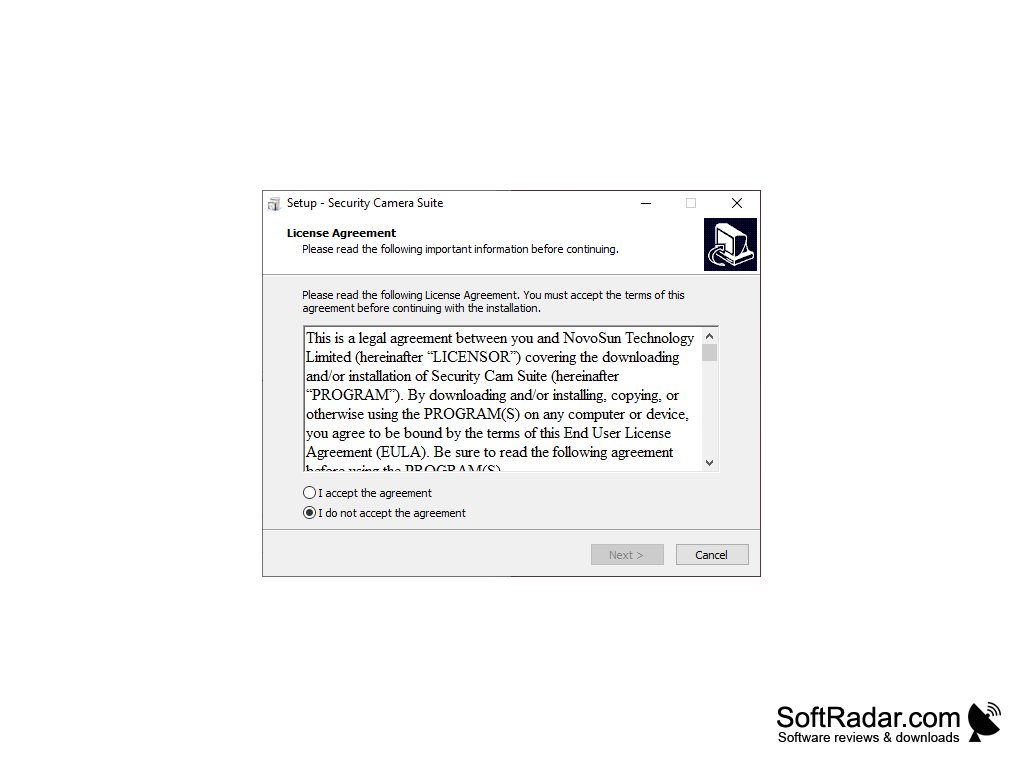
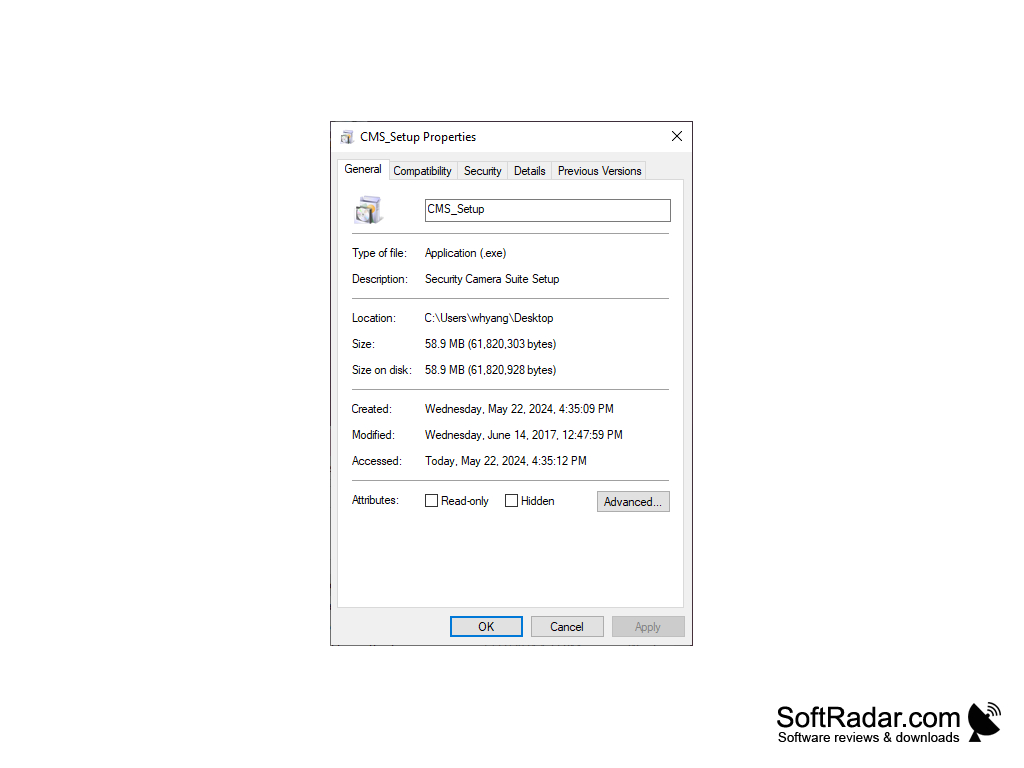
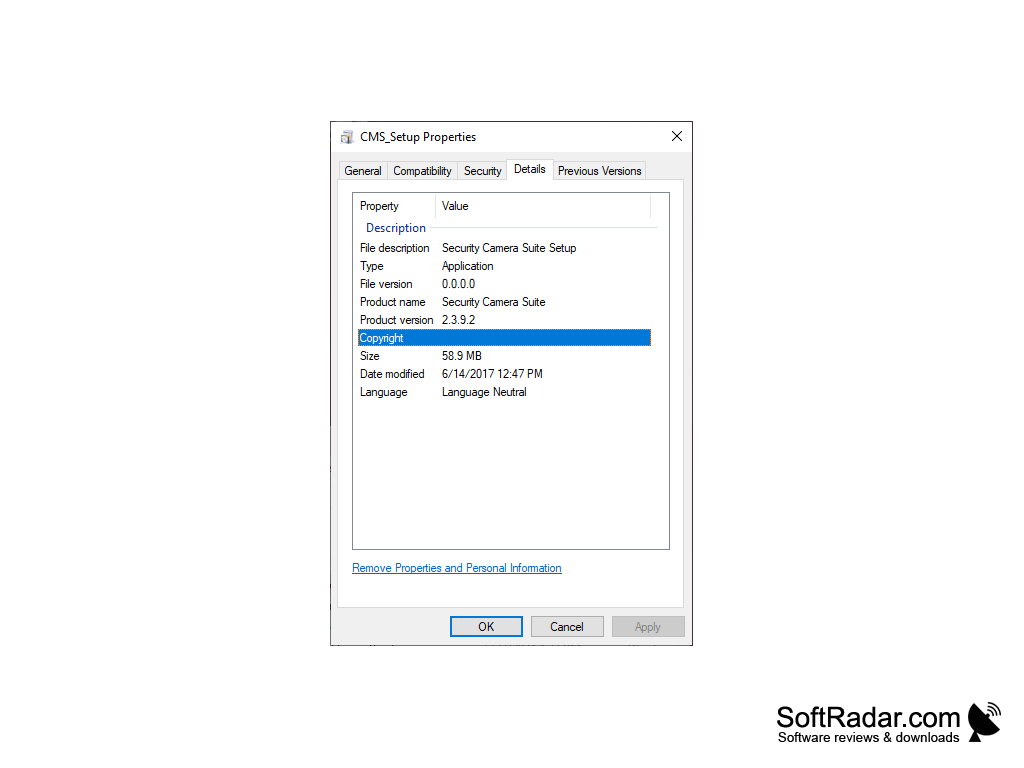
CMS (Central Management System) is a free Windows video surveillance client from NovoSun Technology Limited, installed under the name Security Camera Suite. Despite the name, it is not a website content management system: it is the front end for NovoSun's CyeWeb NVR software, which records and streams video from IP cameras, and it lets an operator watch, control and review many cameras from one workstation.
In a typical setup CyeWeb runs as the streaming and recording server on one or more PCs, which can be placed in different buildings or regions, and CMS connects to those servers over the network. This way hundreds of cameras spread over several sites can be monitored and managed from a single console. The client is a .NET application and needs the Microsoft .NET Framework 4.0.
Some of the features of CMS include:
CMS lets operators watch, control and review many cameras on several CyeWeb servers from a single Windows console.
Live View: CMS shows live video from the connected cameras in configurable layout templates, with up to 64 channels in one layout and automatic sequencing between cameras.
PTZ Control: Pan, tilt, zoom and focus commands can be sent to PTZ cameras directly from the live view, and digital zoom works on any channel.
Playback: Recorded video stored on CyeWeb servers can be searched by time and played back for a single camera or for several cameras at once.
E-Map: Camera positions can be placed on site maps, so the source of an alarm is shown on the plan of the building.
Event Handling: Events reported by the servers appear in the client, and the related video can pop up automatically when an alarm occurs.
Panorama and Video Wall: Feeds of neighbouring cameras can be combined into a panorama view, and layouts can be sent to a video wall.
Account Management: Multiple user accounts with separate access rights control who can view or operate each camera.
CMS is useful for security installers and operators who already run NovoSun CyeWeb servers and need one console for many cameras. The client itself is free, but it has little use without CyeWeb. The NovoSun website is no longer online, so the program is not developed any more; the most recent build is 2.3.9.2.
Microsoft .NET Framework 4.0
NovoSun CyeWeb server for camera access
PROS
Controls PTZ cameras and plays back recorded video.
Free client with e-map and video wall support.
CONS
The developer website is offline and updates have stopped.
Requires the Microsoft .NET Framework to be installed.


