
MPLAB
MPLAB is an integrated development environment (IDE) for developing and debugging embedded applications on Microchip microcontrollers and digital signal controllers.
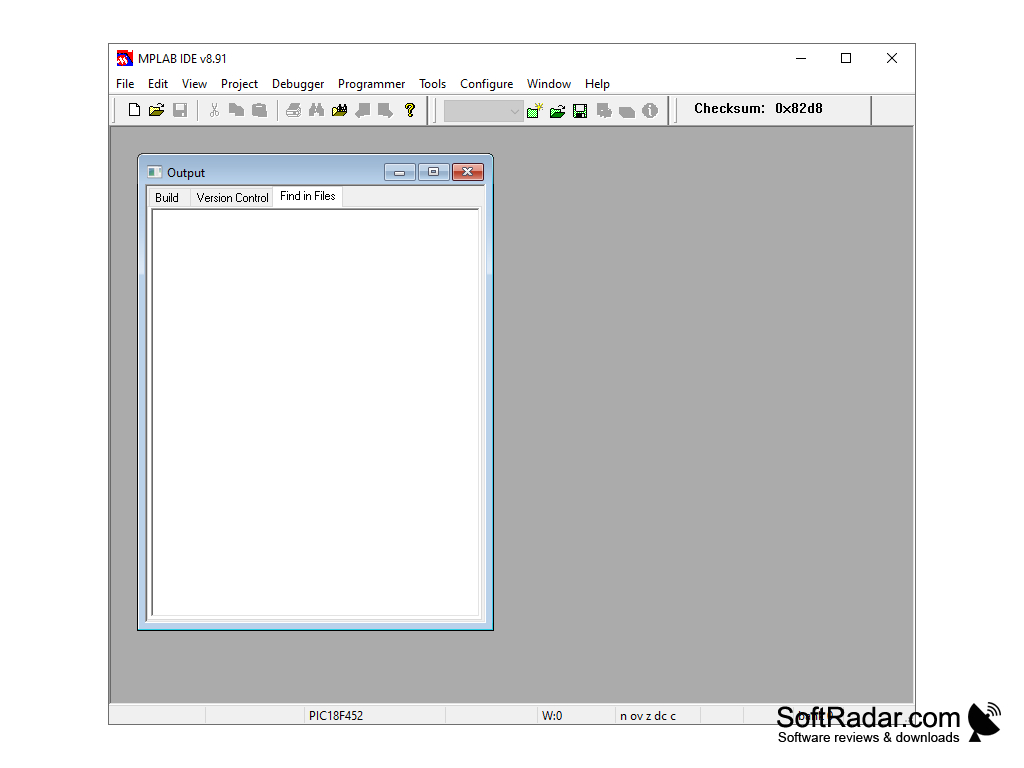
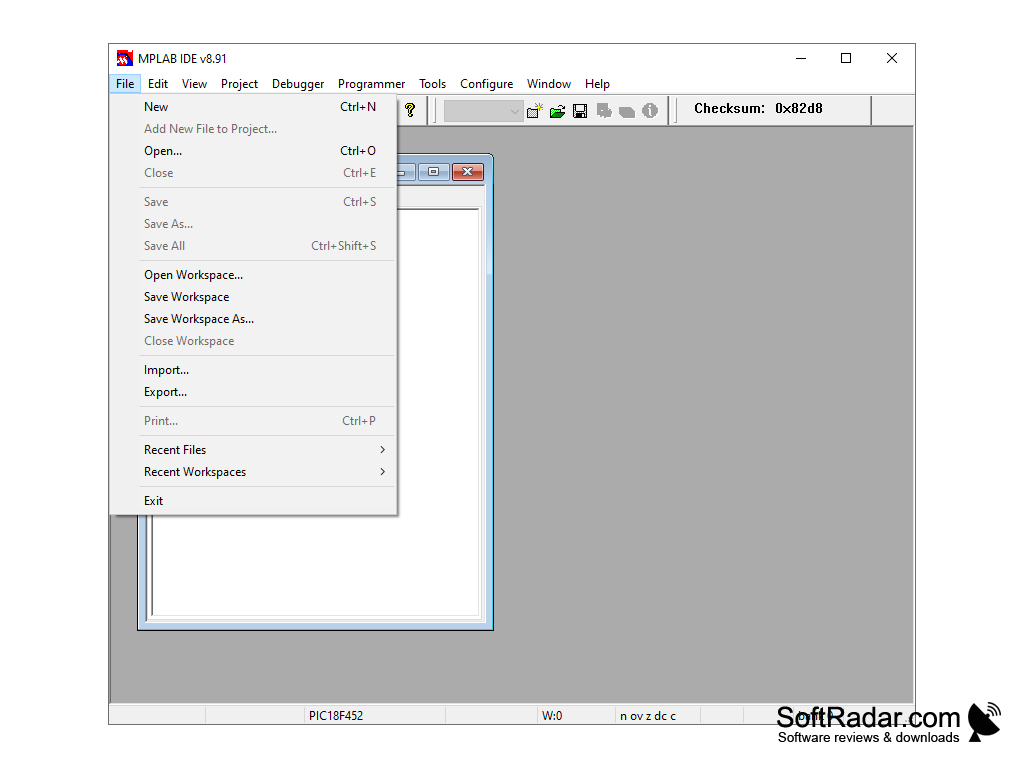
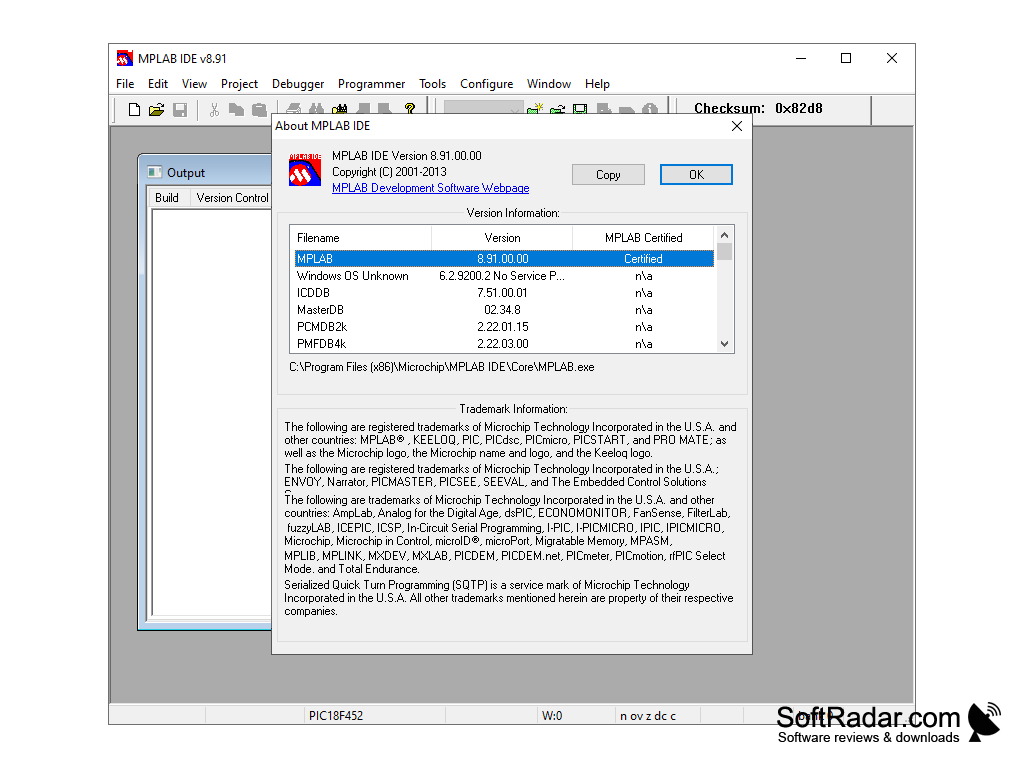
MPLAB Software:
MPLAB® is a free development tool suite from Microchip Technology Inc. It is used by hardware and software developers alike to create, debug, and deploy embedded applications. MPLAB is a comprehensive suite of integrated development environment (IDE), compilers, debuggers, libraries, and other tools for developing embedded applications for Microchip's 8-bit, 16-bit and 32-bit PIC microcontrollers, dsPIC digital signal controllers (DSCs) and, in current versions, AVR and SAM devices.
The legacy MPLAB IDE 8 runs on Windows only and is no longer developed; its last version, 8.92, was released in 2013. Its successor, MPLAB X IDE, is based on the NetBeans platform, runs on Windows, macOS and Linux and is still updated. Projects are written mainly in C and assembly language, with C++ available for 32-bit devices.
MPLAB allows users to quickly and easily develop embedded systems with its integrated development system and suite of software tools.
Features:
• Integrated Development Environment (IDE): The MPLAB IDE provides a visual environment with debugging, editing, and analyzing capabilities. The IDE allows users to build and debug their applications, and includes a source code editor, project explorer, configuration tools, and, in MPLAB X, integrated support for version control systems.
• Compilers: Microchip's MPLAB XC8, XC16 and XC32 C compilers (XC32 also supports C++) are installed separately and plug into the IDE. They are free to use, and paid PRO licences unlock higher optimization levels. The compilers target Microchip devices only.
• Debuggers: MPLAB includes the MPLAB SIM software simulator and works with Microchip hardware tools such as PICkit programmers, MPLAB ICD in-circuit debuggers and MPLAB REAL ICE emulators. The debuggers allow developers to set breakpoints, step through code and watch variables.
• Libraries and APIs: Microchip provides peripheral libraries, the MPLAB Harmony framework for 32-bit devices and the Microchip Libraries for Applications (MLA). The libraries provide functions for accessing peripherals, memory, USB, TCP/IP, graphics and other resources.
• Code generation tools: The MPLAB Code Configurator (MCC) plug-in generates initialization and driver code for peripherals from a graphical interface. The tools reduce the amount of code that has to be written manually.
• Documentation: MPLAB includes documentation for its tools and APIs, and Microchip offers tutorials and sample projects.
• Operating system support: MPLAB X IDE supports Windows, macOS and Linux; the legacy MPLAB IDE 8 is Windows-only.
• Third-party support: MPLAB X supports plug-ins and third-party tools, including compilers such as SDCC.
• Support: Microchip provides a support network, including online documentation, FAQs, and a community forum.

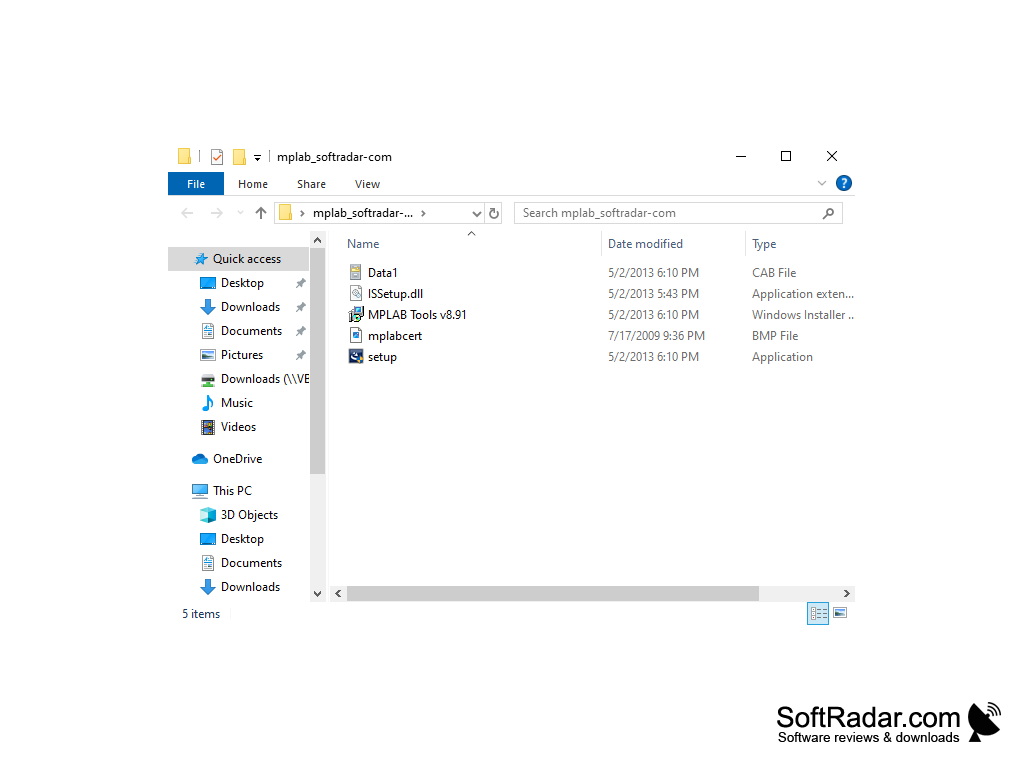
Intel 64 or AMD64 processor
4 GB RAM (8 GB recommended)
2 GB of disk space
PROS
Robust debugging and simulation capabilities.
Free with frequent updates and new features.
CONS
Compilers must be installed separately from the IDE.
The Java-based MPLAB X can feel slow on older PCs.