
QB64
QB64 is a modern version of the classic BASIC programming language that allows users to create, compile and run their own programs.
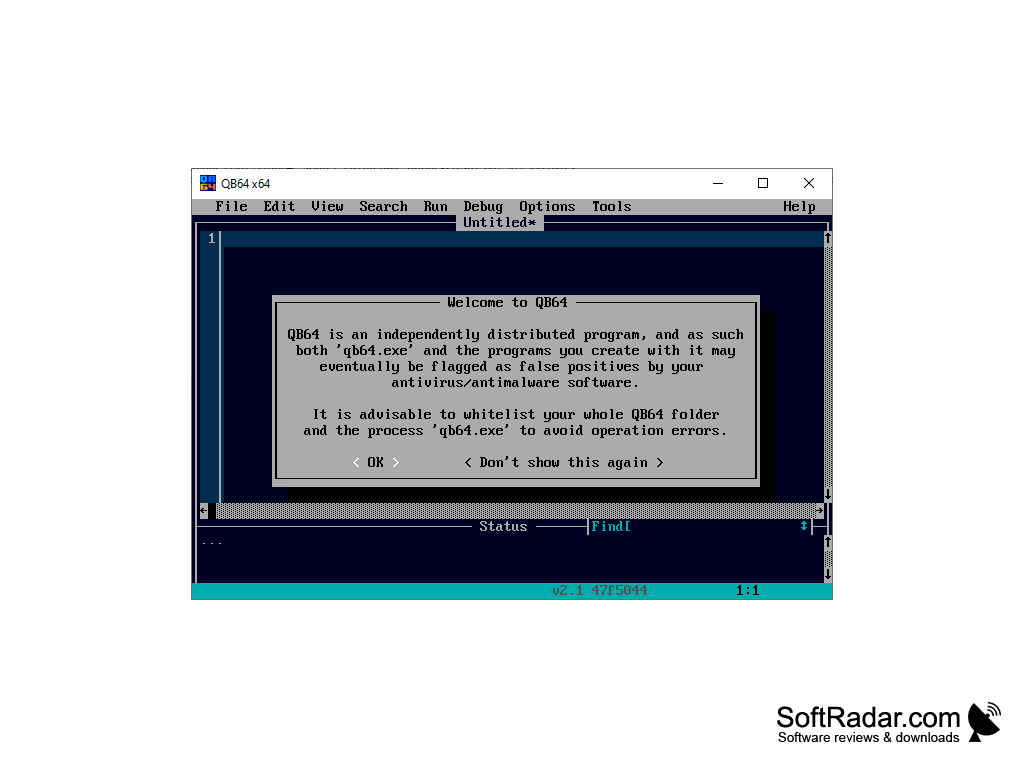
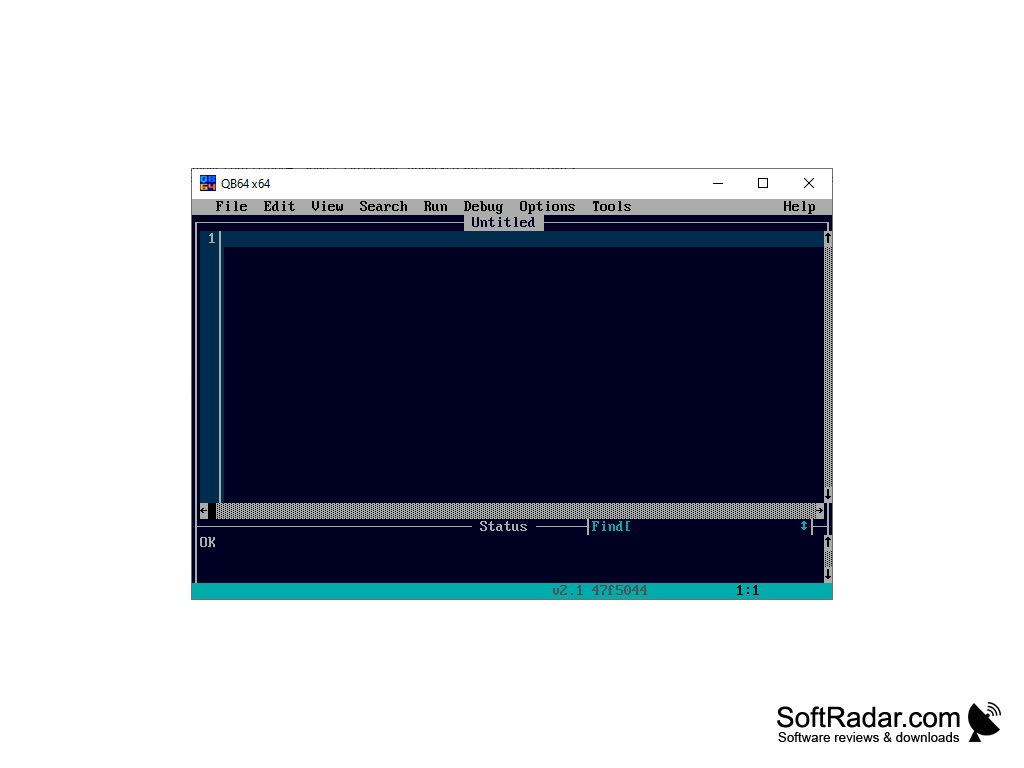
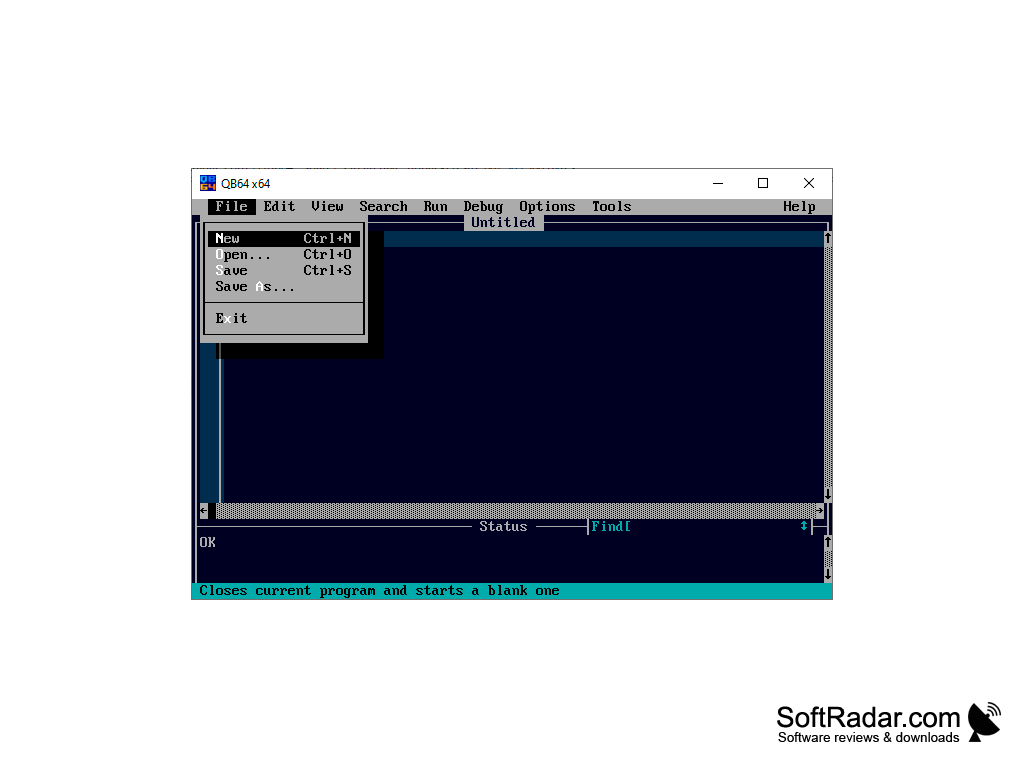
QB64 is a modern extended version of the classic BASIC programming language that retains compatibility with QBasic and QuickBASIC 4.5, originally developed by Microsoft in the 1980s. It is designed to be easy to learn and use, while also providing powerful features for more experienced users. QB64 is an open source project, and is completely free to download and use. The original project is continued at qb64.com, and the QB64 Phoenix Edition fork is also actively developed.
Features
QB64 has a range of features which make it suitable for all types of users, from beginner to expert.
QB64 allows users to write programs that are compatible with the original QBasic language.
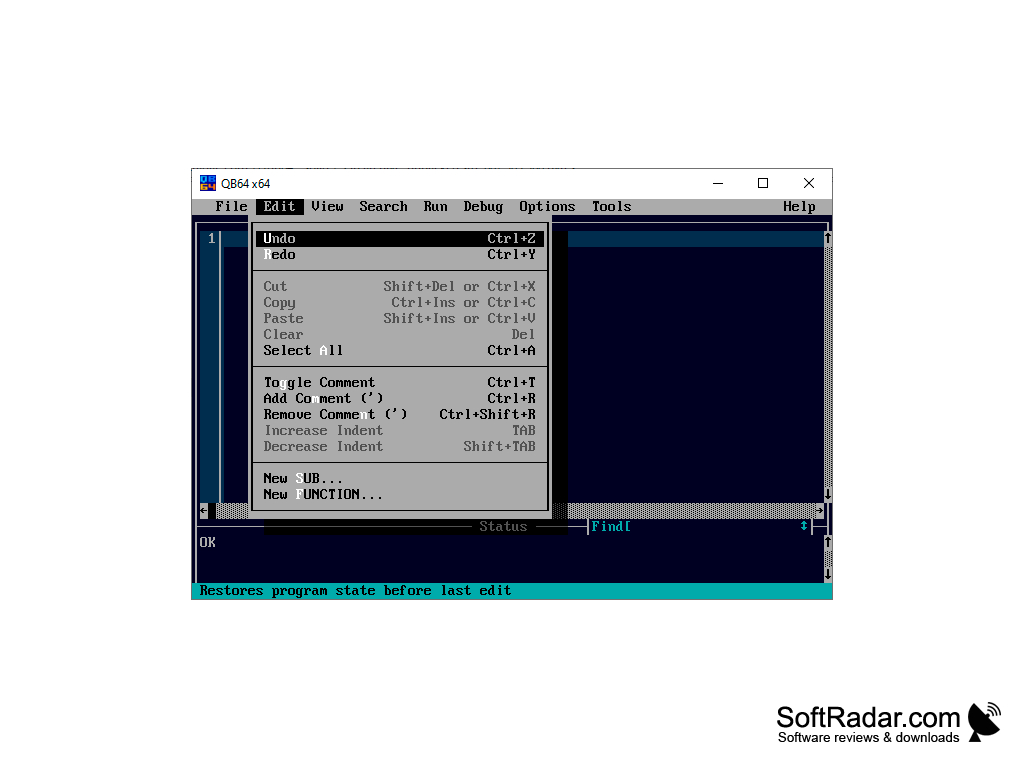
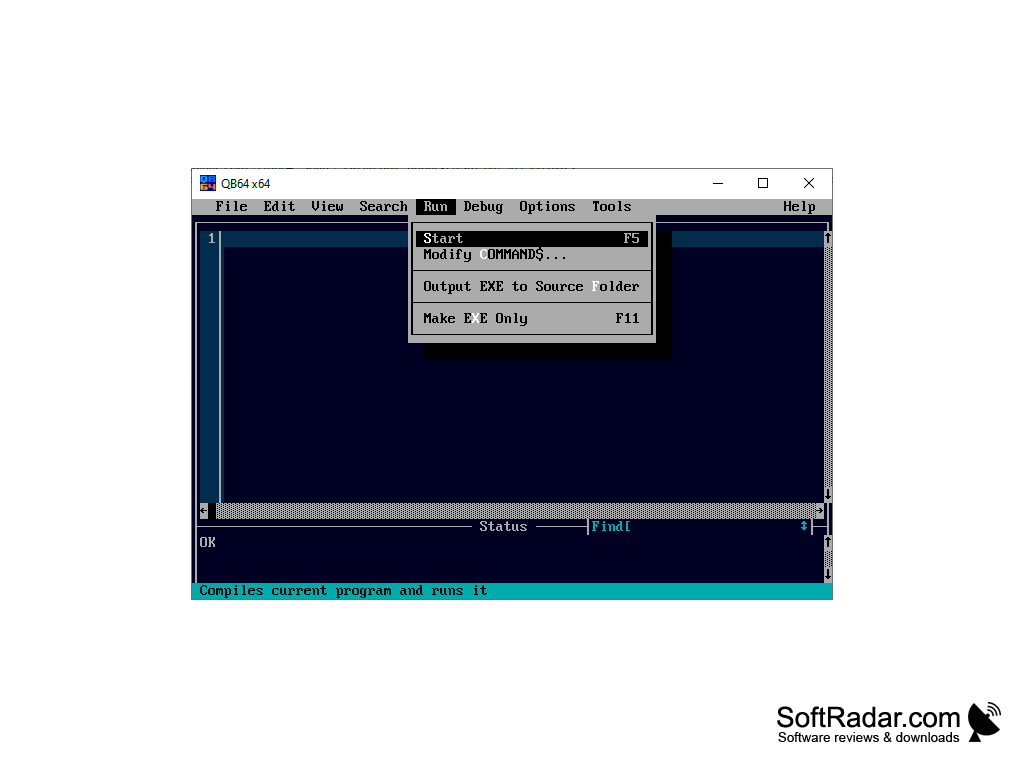
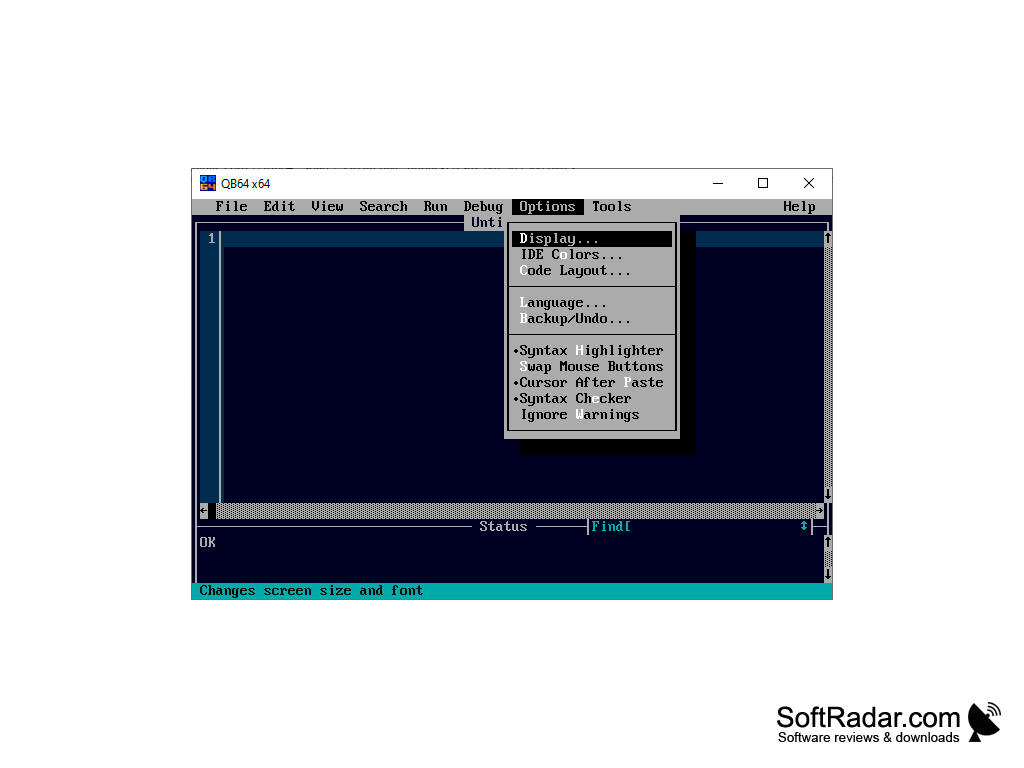
Easy to Use: QB64 has an IDE in the style of the classic QBasic editor, making it easy to learn and use. It includes helpful features such as syntax highlighting, a syntax checker, and a built-in debugger with a watch list for variables.
Cross-Platform: QB64 is available for Windows, macOS, and Linux, and compiles native programs for each of them.
High Performance: Unlike traditional BASIC interpreters, QB64 compiles programs into machine code via C++, allowing fast execution and easy distribution.
Open Source: QB64 is an open source project, and the source code is available for anyone to use, modify, or distribute.
Compatibility: QB64 is designed to be compatible with most code written for the original QBasic and QuickBASIC 4.5, allowing for the easy porting of older programs.
Extensive Library: QB64 adds many modern extensions to the classic command set, and programs can link with external C and C++ libraries.
Graphics: QB64 also supports OpenGL and modern image handling, allowing the creation of rich visuals for your programs.
Networking: QB64 supports networking, allowing for the easy development of networked applications.
Sound: QB64 includes sound support, making it easy to create audio-based applications.
Compiler: QB64 compiles your programs into standalone executables. F5 compiles and runs a program, F11 only creates the EXE file, and a command-line mode compiles without opening the IDE.
Documentation: QB64 has an online wiki that documents its keywords, with many examples and tutorials, and help is available from the IDE.
Support: QB64 also has an active community of users, who provide help and support for each other in the forums.
64-bit Windows for the current Windows package
OpenGL-capable graphics
PROS
Supports a wide array of data types for diverse programming needs.
Easy to learn, great for beginners and those learning BASIC.
CONS
Outdated, less intuitive interface compared to modern alternatives.
Antivirus tools may flag compiled programs as false positives.


