
ShadowsocksR
ShadowsocksR for Windows is an open-source client for the ShadowsocksR (SSR) encrypted proxy protocol, used to get around internet censorship.
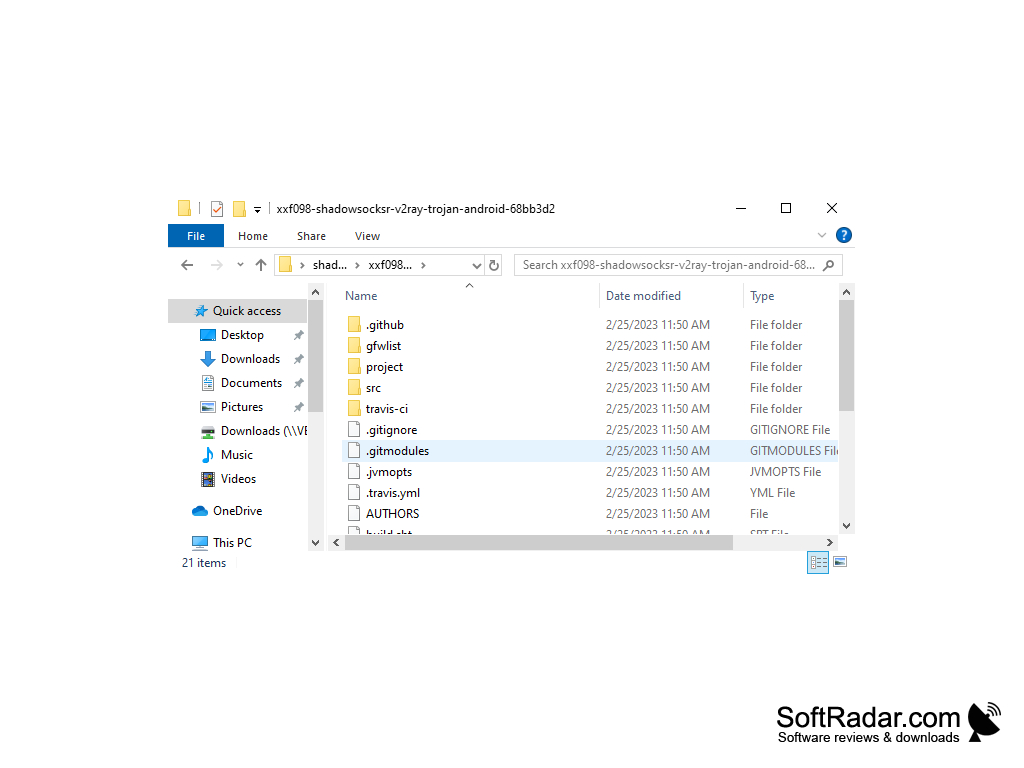
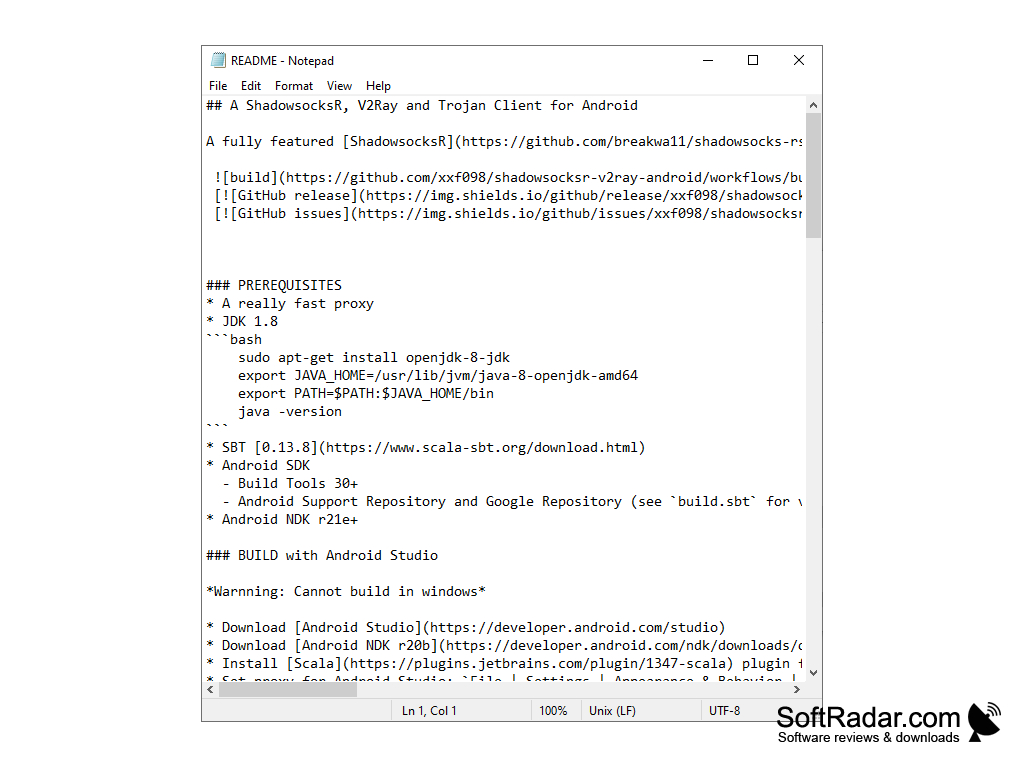
ShadowsocksR (SSR) is an open-source, encrypted proxy protocol originally developed for use in China as a fork of Shadowsocks. It is designed to tunnel traffic through an encrypted connection to an SSR server, making it a common choice for bypassing censorship and protecting online privacy. This card covers ShadowsocksR for Windows, a client maintained by HMBSbige that runs in the system tray and provides a local proxy for browsers and other applications.
ShadowsocksR routes your traffic through an encrypted and obfuscated tunnel to an SSR server to get around network blocking.
Features
• Encryption: SSR supports a variety of ciphers, including AES-256-CFB, ChaCha20 and Salsa20, to encrypt the traffic between the client and the server.
• Protocol Plugins: SSR adds protocol plugins such as auth_aes128_md5, auth_aes128_sha1 and auth_chain_a that authenticate connections and help resist replay attacks.
• Obfuscation: obfs plugins such as http_simple and tls1.2_ticket_auth make the traffic look like ordinary HTTP or TLS, so it is harder for ISPs and firewalls to detect and block.
• Local Proxy: the client opens a local port that works as a SOCKS5 and HTTP proxy for browsers and other programs.
• System Proxy Modes: the Windows system proxy can be switched between PAC mode, global mode and direct connection, with rules to bypass local addresses.
• Server Subscriptions: server lists can be imported from subscription URLs, ssr:// links and QR codes shown on the screen.
• Load Balancing: the client can distribute connections among several servers of the same group.
• Server Statistics: a statistics window shows connections, traffic and latency for each configured server.
• Open-Source: SSR is open-source software, meaning the source code is freely available for anyone to inspect and modify; the Windows client is licensed under GPLv3.
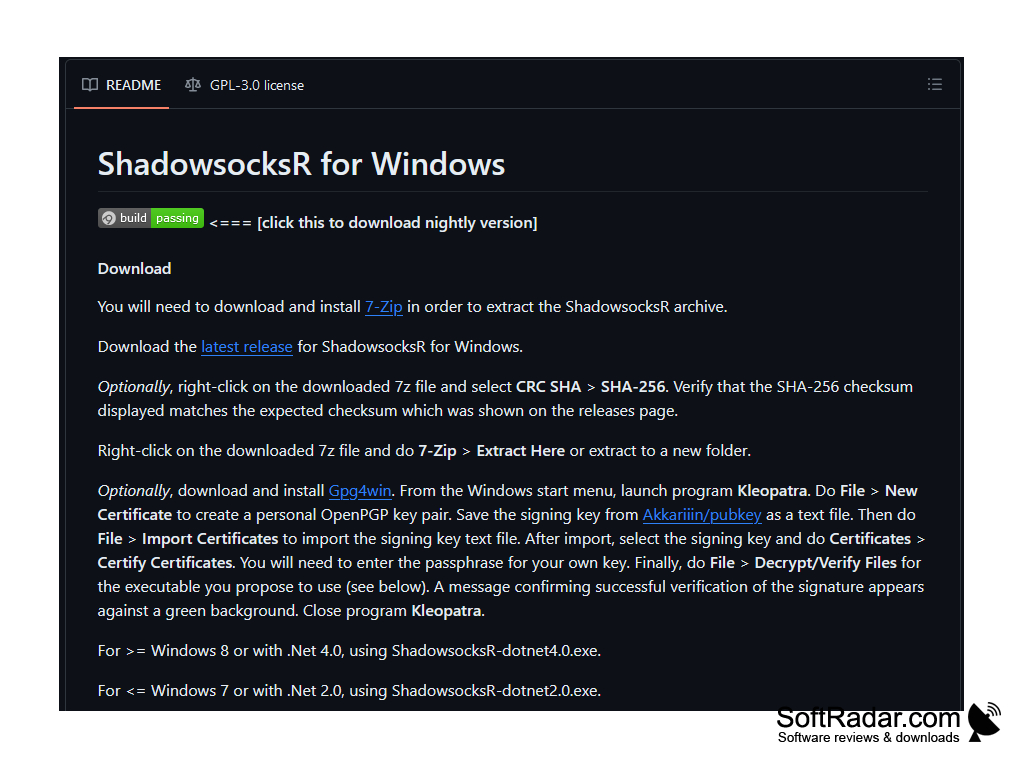
• Windows Builds: the client was released as a framework-dependent .NET package plus separate 32-bit and 64-bit packages, distributed as 7z archives.
• Other Platforms: SSR clients also exist for Android, macOS and Linux, but they are separate projects from other developers.
• Server Required: SSR is not a VPN service; you need access to a ShadowsocksR server, either your own or one provided by someone else.
• Project Status: the original ShadowsocksR project stopped in 2017, and the HMBSbige Windows client has been archived on GitHub, so it is no longer developed.
Conclusion
ShadowsocksR is an open-source, encrypted proxy protocol originally created for users in China. The Windows client lets you connect to SSR servers, route browser and application traffic through a local proxy and disguise that traffic with obfuscation plugins. It is a tool for experienced users who have access to a server, and since the project is no longer maintained, newer protocols such as V2Ray or Trojan are often used instead.
.NET 7 Desktop Runtime for the framework-dependent build
A ShadowsocksR server to connect to
PROS
Built-in traffic obfuscation to bypass internet censorship.
Open-source client licensed under GPLv3.
CONS
Lack of proper documentation and user support.
No longer developed; the project is archived.


